
Be Ready campaign boosts demand for emergency supplies in Britain — The Guardian
In the United Kingdom, the government’s Be Ready campaign, which urges the public to prepare a three-day supply of essential items for emergencies, has led to increased demand for such goods. At the same time, there is no evidence of widespread panic buying of food and other essentials, The Guardian reports.
What the government recommends
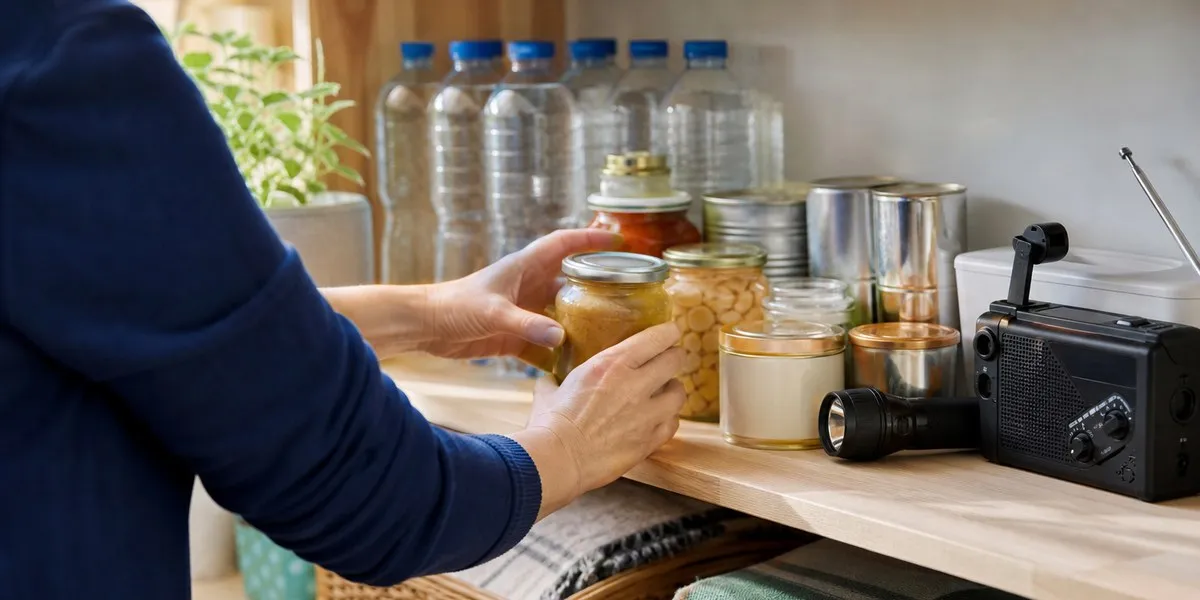
A two-page leaflet recommends that Britons keep a three-day supply of bottled water and non-perishable food. The list also includes a flashlight with spare batteries, a hand-crank radio, a first-aid kit and a copy of a passport.
The campaign is intended to help people prepare for disruptions caused, among other things, by severe weather or cyberattacks, so that assistance can be directed first to the most vulnerable people. Authorities advise people to first check the supplies they already have at home and gradually buy any needed items during regular shopping trips to avoid a rush.
Reaction of shoppers and sellers
Jack Brown, co-owner of Sgt Prepper Shop, said that during the first 24 hours after the campaign began, he received as many orders as he would normally get in a month. In his view, a three-day supply is practical for most everyday emergencies, including power outages, burst water mains or flooding.
More current news is available on the UA.News Telegram channel Telegram.
Dan Goss, owner of Start Prepping UK, said that after news of the campaign emerged in August, traffic to his website rose by 700%. He considers the risk of panic low, as it would require simultaneous mass compliance with the government’s recommendations.
A psychologist’s assessment
Sarita Robinson, deputy dean of the School of Psychology and Humanities at the University of Lancashire, said there is only limited evidence that such information campaigns trigger panic. According to her, people are more likely to respond proactively to accurate information about emergencies, while withholding data creates an information vacuum.
Robinson also referred to research from the Covid-19 pandemic period: people who had small supplies of food, masks and sanitizers at home several weeks before the pandemic showed lower levels of anxiety, depression and stress.




