
Germany estimates at least 16,300 heat-related deaths — Deutsche Welle
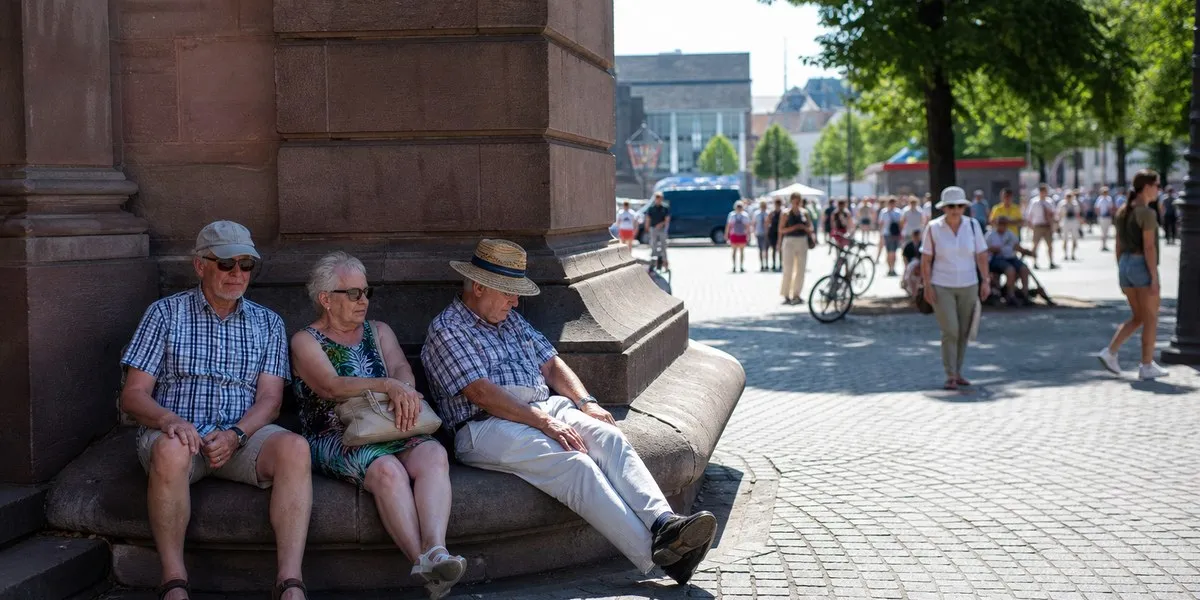
The summer of 2026 became the warmest in Europe on record, surpassing the record set in 2003. In Germany, the number of heat-related deaths by the end of August was estimated at at least 16,300, Deutsche Welle reports, citing the Copernicus Climate Change Service and the national weather service DWD.
Record number of hot days
According to DWD, Germany averaged around 22 days this year with temperatures of at least 30°C and about five days with temperatures of at least 35°C. The weather service described this number of hot days as unprecedented.
The country’s average weekly temperature exceeded 20°C several times. The period from June 22 to 28 was particularly hot, when this indicator exceeded 26°C. The average weekly temperature takes into account all hourly measurements, including nighttime ones.
More current news is available on the UA.News Telegram channel Telegram.
How mortality was estimated
The estimate of heat-related deaths was based on the statistical relationship between mortality data from Germany’s Federal Statistical Office and DWD temperature measurements for the relevant periods. The source notes that few people died directly because of the heat; more often, high temperatures exacerbated existing illnesses.
Andreas Matzarakis, a professor of environmental meteorology at the University of Freiburg, noted that not only thermometer readings mattered, but also the duration of the heat and the absence of nighttime cooling. Humidity, solar radiation, wind and the so-called perceived temperature also affect heat stress.
Most vulnerable groups
Martin Röösli, a scientist at the Swiss Tropical and Public Health Institute in Basel, said that socially disadvantaged people are particularly vulnerable: they are more likely to live in buildings with insufficient insulation or work outdoors. Alexandra Schneider, an epidemiologist and meteorologist at the Helmholtz Center in Munich, believes that a significant share of those who died could have lived for months or years longer, rather than only a few days or weeks.


