
Number of unfrozen glacial lakes in Pakistan rises to 105 — Dawn
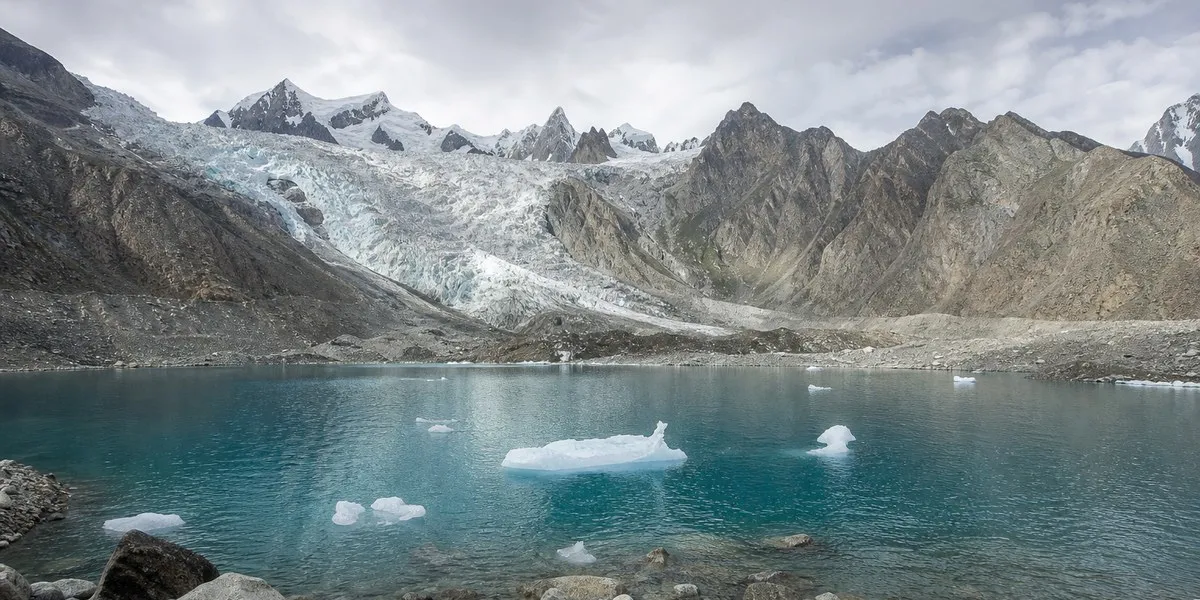
In Pakistan, the number of unfrozen glacial lakes rose from 40 to 105 in less than two months. The data were obtained by Pakistan’s national Space and Upper Atmosphere Research Commission, Suparco, which analyzed satellite images, the latest of which was taken on August 5, Dawn reports.
Satellite monitoring data
Suparco said that all identified lakes were mapped on optical satellite images to assess their surface area and determine whether they were covered with ice. As summer temperatures rose, the number of unfrozen glacial lakes increased as expected, according to the agency’s assessment.
Some bodies of water exceeded their previous recorded maximum sizes. At the same time, persistent cloud cover after the July report limited the number of cloud-free images suitable for analysis, making it difficult to accurately assess changes in lake areas. On July 2, Suparco recorded 40 unfrozen lakes, with most of them not exceeding previously recorded maxima at that time.
More current news is available on the UA.News Telegram channel Telegram.
Risks of lake outbursts
The agency explained that the expansion of a glacial lake beyond its historical maximum may indicate increased water storage and a higher likelihood of instability or failure of the moraine dam. This raises the risk of a glacial lake outburst and a sudden flood.
Suparco advised the responsible authorities to maintain a high level of preparedness, primarily in valleys below potentially dangerous glacial lakes. The agency said it would continue satellite monitoring throughout the melting season to detect rapid expansion of bodies of water and other signs of increased risk.
The August assessment identified 131 potentially dangerous glacial lakes. Karamat Ali, a glaciologist at Karakoram International University, stressed that satellite observations are insufficient: assessing hazards also requires field studies of lake depths, the surrounding environment, terminal moraines, glacier morphology, and their microclimates.




