
In Pakistan, only two new traders chose the 1% fixed tax — Dawn
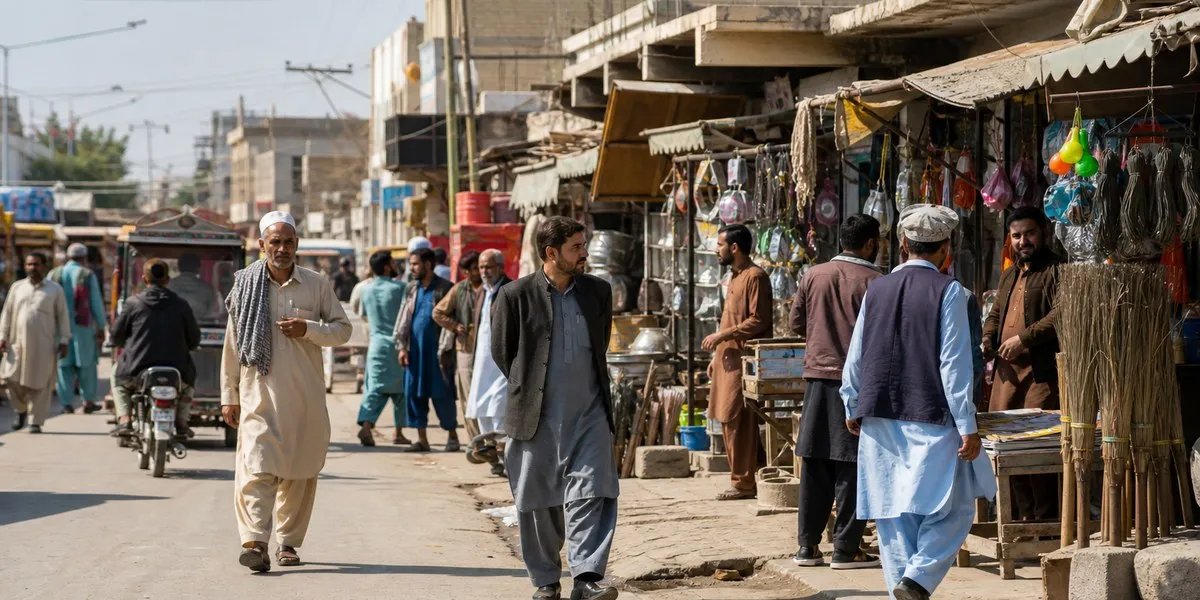
In Pakistan, only two new traders used the 1% fixed-tax scheme, while another 315 shopkeepers who filed declarations were already in the tax system. Dawn author Khurram Husain, citing a report by journalist Shahbaz Rana, believes that another attempt by the authorities to bring retailers into tax payment may fail.
Attempts to bring in traders
Husain notes that incentives for the voluntary registration of traders, tougher sanctions against those who do not file declarations, and the expansion of the powers of Pakistan’s Federal Board of Revenue have not made it possible to significantly increase the ratio of tax revenues to GDP.
According to the author’s assessment, substantial tax potential is concentrated in sectors with high turnover and low tax revenues. A significant share of such areas belongs to the services sector, whose share exceeds 50% of Pakistan’s GDP at 2015 constant prices. He names wholesale and retail trade among the problematic areas.
More current news is available on the UA.News Telegram channel Telegram.
Previous tax schemes
In 2017, the country introduced the Tier 1 category of retailers. It included chain stores, outlets in air-conditioned shopping malls, sellers with annual electricity expenses exceeding 600,000 rupees, as well as wholesale and retail businesses. Tax authorities also used electricity bill data to assess tax liabilities.
Subsequently, the authorities changed the definition of Tier 1, introduced fines, POS cash register system integration, and receipt lotteries. In 2022, retailers outside the Tier 1 category were assigned a fixed tax of 3,000, 5,000, or 10,000 rupees, depending on the size of their electricity bill; it was collected through those bills.
Husain writes that previous incentives and fixed-tax schemes did not produce results. In his view, this reflects the state’s long-standing inability to adapt tax policy to changes in the economy, and conscientious taxpayers bear the consequences.




