
In Pakistan, taxes reduced the number of surgeries under the health insurance program
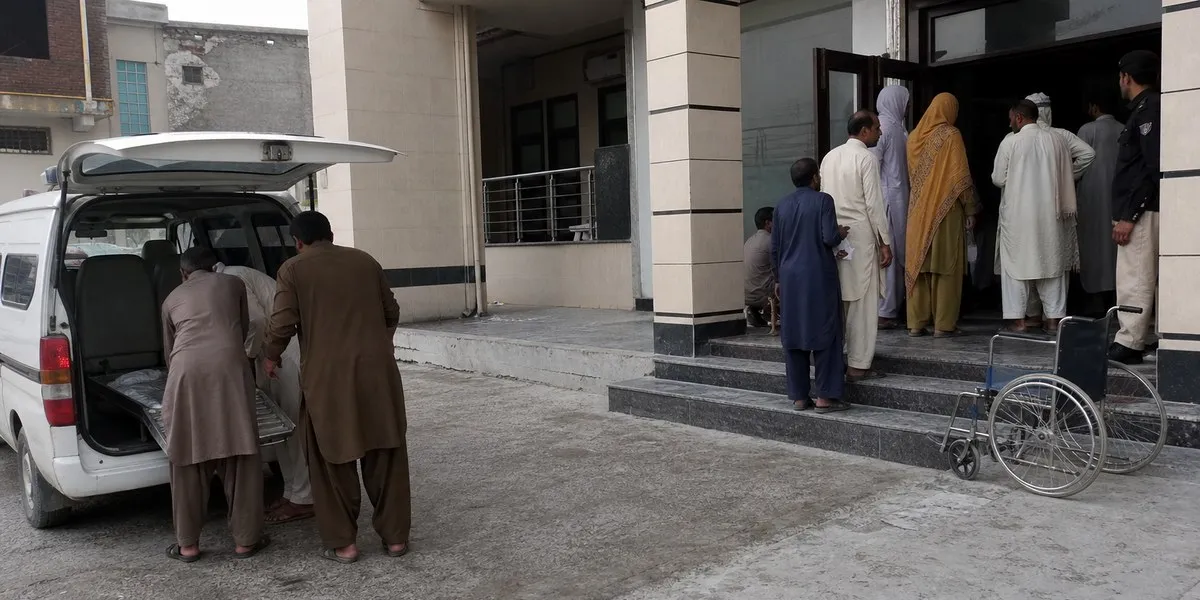
In Pakistan’s Lower Dir district, particularly in the city of Timergara, the number of surgical operations under the Sehat Sahulat Programme health insurance scheme has sharply declined following the introduction of new taxes in the Malakand division. According to private hospitals, about 200 operations were previously performed daily under the program, but since September 1 their number has fallen to approximately 20.
As Dawn reports, the remaining approximately 180 operations per day are performed privately for patients, requiring significant expenses. The situation has affected orthopedic and other complex surgeries the most. At the same time, gynecological services and dialysis under the program continue without interruption.
Tax burden
In Malakand, a 15% withholding tax and a 14% services tax are in effect. The total tax burden amounts to 29%. Under the program’s payment mechanism, the hospital receives 60% of the package cost and doctors receive 40%. Medical professionals say the new taxes have significantly reduced their income from procedures performed under the program.
More current news is available on the UA.News Telegram channel Telegram.
Healthcare representatives stated that reimbursements for surgeries under the program had been insufficient even before the taxes were introduced and need to be revised. According to them, the current rates make it difficult to cover hospital costs, purchase medicines and surgical equipment, and maintain the quality of medical services.
Burden on hospitals
Five private hospitals in Timergara participating in the Sehat Sahulat Programme previously performed a significant number of operations. Hospital management said they continue to provide medical care despite rising operating costs, taxes, and the program’s low rates. At the same time, they said that some doctors’ refusal to perform operations under the program limits access to treatment for low-income patients.
In Lower Dir, home to about 1.6 million people, many residents depend on the program to receive surgical care. Due to the reduction in services, some patients are forced to pay for treatment at private hospitals or seek care at public medical facilities. Hospital representatives reported an increased flow of patients to the district hospital in Timergara. Local residents called on the provincial authorities, State Life Insurance Corporation, and other program participants to resolve issues related to taxes, hospital costs, and medical professionals’ remuneration.


