
Debates on sanctions against Russia and Iran have begun in the U.S. House of Representatives
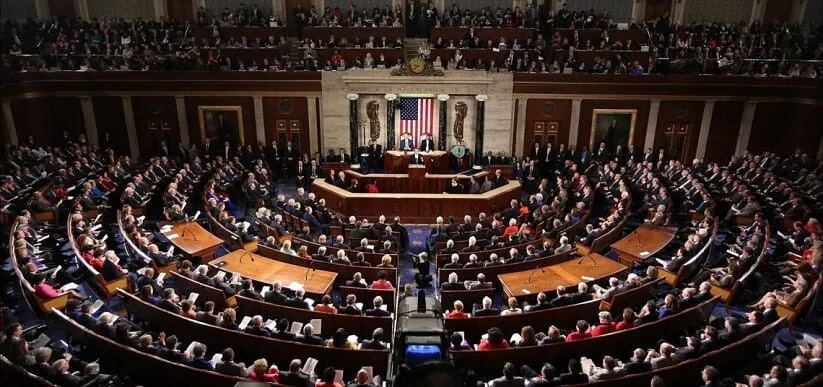
The U.S. House of Representatives has moved to consider Lindsey Graham’s bill to strengthen sanctions against Russia and Iran. The bill has already cleared a procedural hurdle and is now set to be debated before a vote on its merits.
The day before, the House of Representatives approved the procedure for considering the bill by a margin of just three votes—214 to 211. This paved the way for the final vote.
In introducing the bill, Congressman Michael McCaul stated that its goal is to increase economic pressure on Moscow and force Russian dictator Vladimir Putin to agree to negotiations.
The bill provides for new sanctions against Russian officials, banks, the energy sector, and the so-called “shadow fleet.” Separately, the bill provides for the possibility of imposing tariffs of up to 100% on countries that purchase Russian energy resources or help Moscow circumvent sanctions.
At the same time, these very tariff powers have become one of the main points of contention in Congress. Some Democrats oppose granting the U.S. president such broad authority.
If the House of Representatives approves the bill in its current form, it will go through the legislative process in Congress and may be sent to U.S. President Donald Trump.
Source: Radio Free Europe/Radio Liberty
During a meeting in Brussels, European Union countries failed to reach an agreement on extending sanctions against Russia.
Kallas announced new sanctions against Russia.
The EU has published a complete list of new sanctions against Russia.




