
176 people bitten by Cape fur seals during rabies outbreak in South Africa
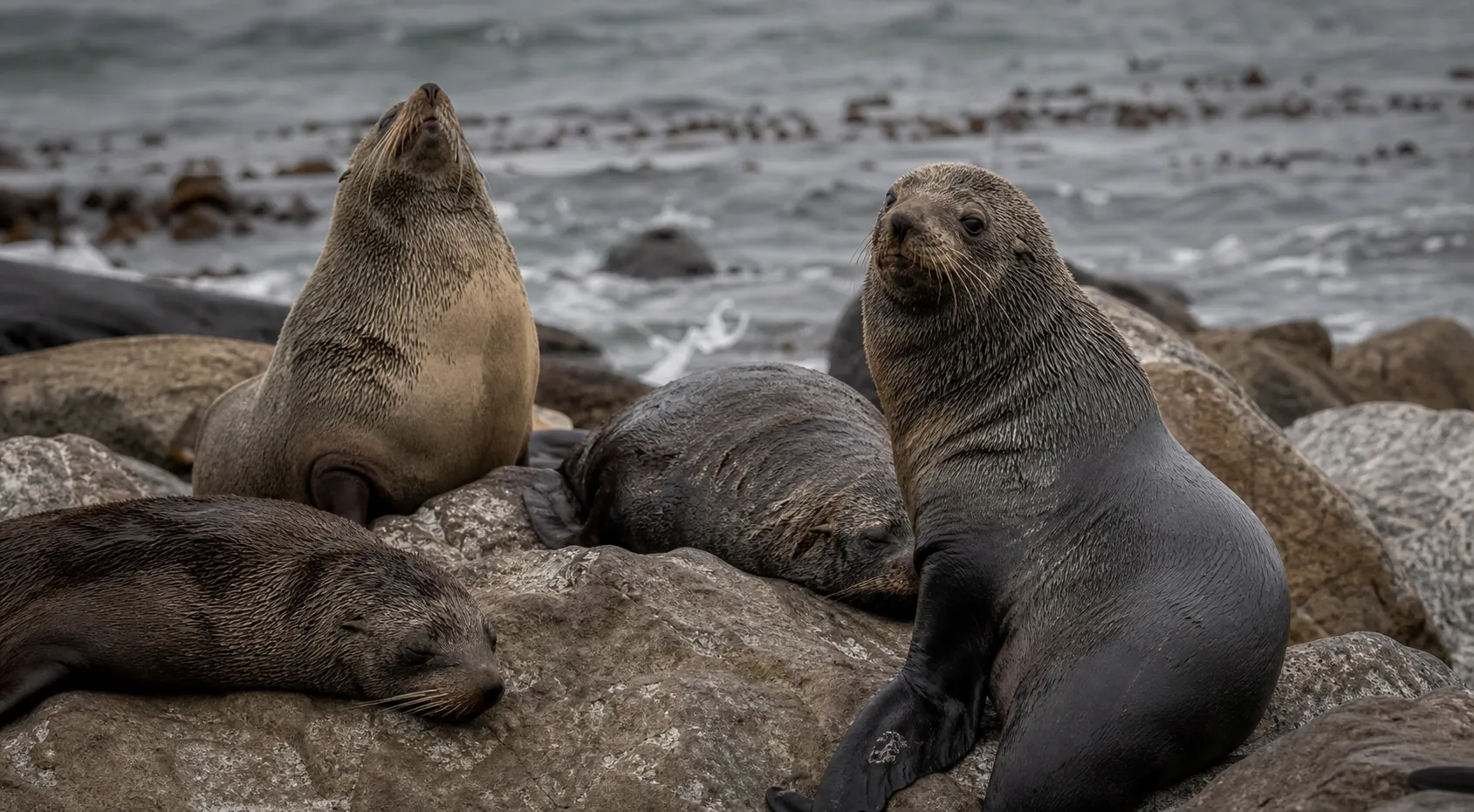
In South Africa, at least 176 people have been bitten by Cape fur seals during a rabies outbreak along the country’s western and southern coasts. The figure covers reported cases through the end of 2025 and does not include possible attacks in neighboring Namibia and Angola, Daily Maverick reports.
Researchers led by Tess Gridley warned in a preprint published on the Research Square platform that the number of attacks on people and dogs could increase as the virus spreads. According to their data, this is the first recorded rabies outbreak among free-ranging marine mammals, and the disease is now endemic in Cape fur seals.
Risk to other marine mammals
The World Organisation for Animal Health (WOAH) described sustained rabies transmission among Cape fur seals as an unprecedented phenomenon in the ecology of the disease. The organization warned that the virus could spread to other marine mammals in remote areas, including Antarctica, remote oceanic islands and other regions of the world.
Among the species vulnerable to transmission, Two Oceans Aquarium veterinarian Ilze Jenkinson named southern elephant seals, subantarctic and Antarctic fur seals, crabeater seals and leopard seals. Southern elephant seals are of particular concern because they often come ashore at Cape fur seal haul-out sites and may remain there for several days or weeks. As a precautionary measure, a vaccination program has been introduced for elephant seals that come ashore outside their usual range.
More current news is available on the UA.News Telegram channel Telegram.
Vaccination and attacks on people
Mass vaccination of Cape fur seals is currently impractical, said Leslie van Helden, senior state veterinarian at the Western Cape Department of Agriculture. According to her, there is no realistic way to vaccinate up to two million wild animals living in about 40 breeding colonies along nearly 3,000 kilometers of coastline, from Algoa Bay through Namibia to southern Angola.
At least 84 attacks on people occurred during commercial excursions involving swimming near fur seals. Beachgoers, swimmers, surfers and kayakers were also affected. In one case, a person required plastic surgery and a skin graft after sustaining more than 20 puncture wounds.
The first reports of excessively active and aggressive animal behavior emerged in late 2021, while the infection was first confirmed in a laboratory in early 2024. Researchers listed signs of rabies in fur seals as disorientation, convulsive head and neck movements, muscle twitching, weakness, aggressive approaches toward people and dogs, and biting surfboards, kayaks, boats and other objects. According to available data, no deaths have been recorded among at least 176 people bitten by fur seals.




