
South Africa recalls church figures who belatedly supported reconciliation
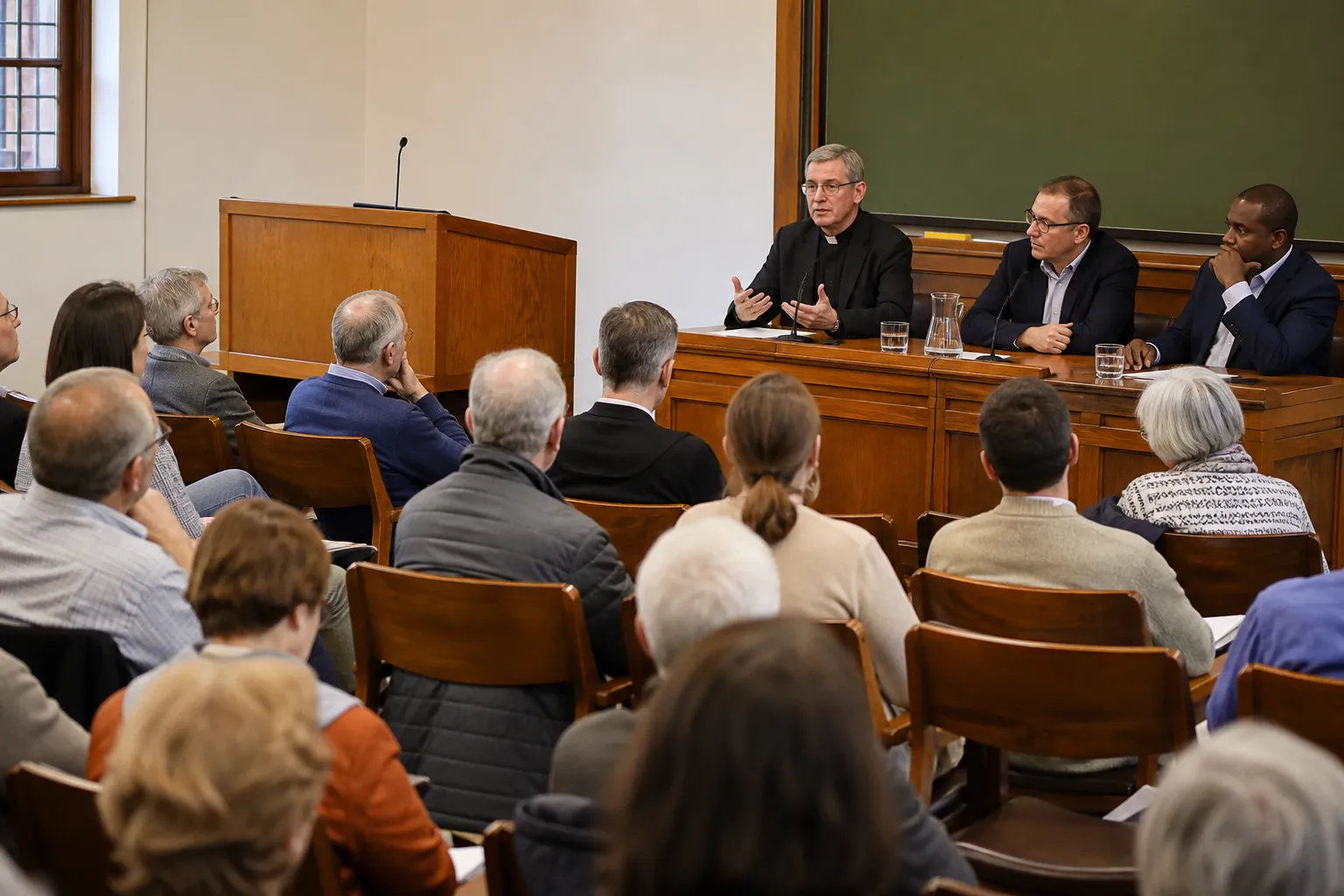
An opinion piece by Daily Maverick recounts two episodes in the history of reconciliation in South Africa involving representatives of conservative Afrikaans Reformed churches. They occurred more than 20 years apart and concerned changing views on apartheid and acknowledging lateness on the path to reconciliation.
Supporting an acknowledgment of guilt
In November 1990, Professor Willie Jonker, at a church conference in Rustenburg, acknowledged his own guilt and that of the Dutch Reformed Church for apartheid. He also did so on behalf of the Afrikaner people, which prompted objections in conservative church circles.
The following year, at a meeting of the synod of the then Western Transvaal, former moderator Dani Rosslee, who was considered theologically and politically conservative, supported Jonker's acknowledgment. The author, who attended the meeting, recalls that Rosslee said Jonker had not gone far enough in his acknowledgment.
According to the author, Rosslee later explained his change of convictions by reading the Book of the Prophet Amos and its emphasis on justice. This change, he said, led to the breaking of some long-standing friendships, but Rosslee expressed no regret over his position.
More current news is available on the UA.News Telegram channel Telegram.
Acknowledging a slow path
In October 2014, Reverend E. G. Fourie spoke during a reconstruction of the Truth and Reconciliation Commission hearings on religious communities at the Faculty of Theology of Stellenbosch University. He participated in a personal capacity, without an official mandate from the Nederduitsch Hervormde Kerk van Afrika.
Fourie spoke about his church's difficult departure from the theological justification of apartheid. According to the author's recollection, he said that on the issue of reconciliation, the church was in the “slow class,” also calling it a “latecomer” and asking others not to give up on it. After the speech, Archbishop Desmond Tutu approached Fourie and embraced him.
The author emphasizes that Rosslee and Fourie were not early opponents of apartheid. At the same time, he views their speeches as examples that acknowledging mistakes and changing views can be part of reconciliation.




