
South Korea’s intercity bus network shrank by a third — Korea Herald
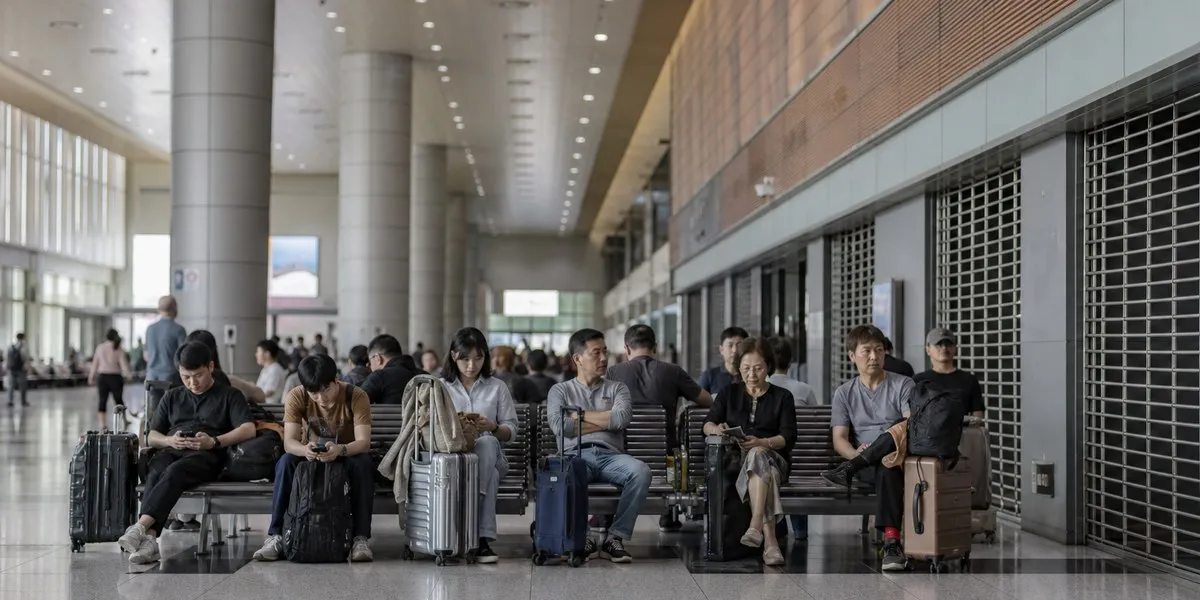
In South Korea, the number of intercity and express bus routes fell by 30.1%, from 4,584 in 2015 to 3,203 last year. The shrinking network makes travel more difficult for passengers from regions where rail or cars cannot fully replace bus connections, Korea Herald reports.
The number of intercity and express bus passengers declined from 283 million in 2005 to 118 million last year, a decrease of 58.2%. At the same time, rail transport’s share of passenger travel rose from 15.5% in 2013 to 18.2% in 2023, while the share of passenger cars increased from 54.7% to 60.2%.
Passengers are losing direct routes
A Yongin resident in her 60s, identified by the publication as Jeong, used to take a direct bus to Ulsan. The route was canceled during the COVID-19 pandemic. She now has to spend more than an hour getting to Seoul to board a train, if she can buy a ticket.
According to her, trains are often completely sold out on weekends even when booked three weeks in advance. Passengers traveling to hospitals, on business, or for leisure use the limited number of rail services.
More current news is available on the UA.News Telegram channel Telegram.
Financial difficulties at terminals
The problems are visible at Nambu Bus Terminal in Seoul’s Seocho district. Its operator announced its intention to return its business license to the Seoul city government because of financial difficulties. The possible closure of the terminal was preceded by a series of closures of regional bus stations.
A driver who has worked at the terminal for more than 10 years said that the number of routes there has fallen by about half compared with the late 2010s. Before the Chuseok holiday, the terminal had many passengers, but about 20 retail spaces remained vacant and only around five shops were operating.
In Gangwon Province, the number of intercity bus routes decreased from 413 in 2019 to 202 in June 2024. Cho In-cheol, a lawmaker from the Democratic Party of Korea, said that canceling services solely based on profitability could accelerate depopulation in the regions. Kang Kyung-woo, a professor at Hanyang University, called for developing on-demand transport and preserving various types of bus services in areas with insufficient transport access.




