
A commemorative plaque has been unveiled in Poland on the building that once housed Symon Petliura's headquarters
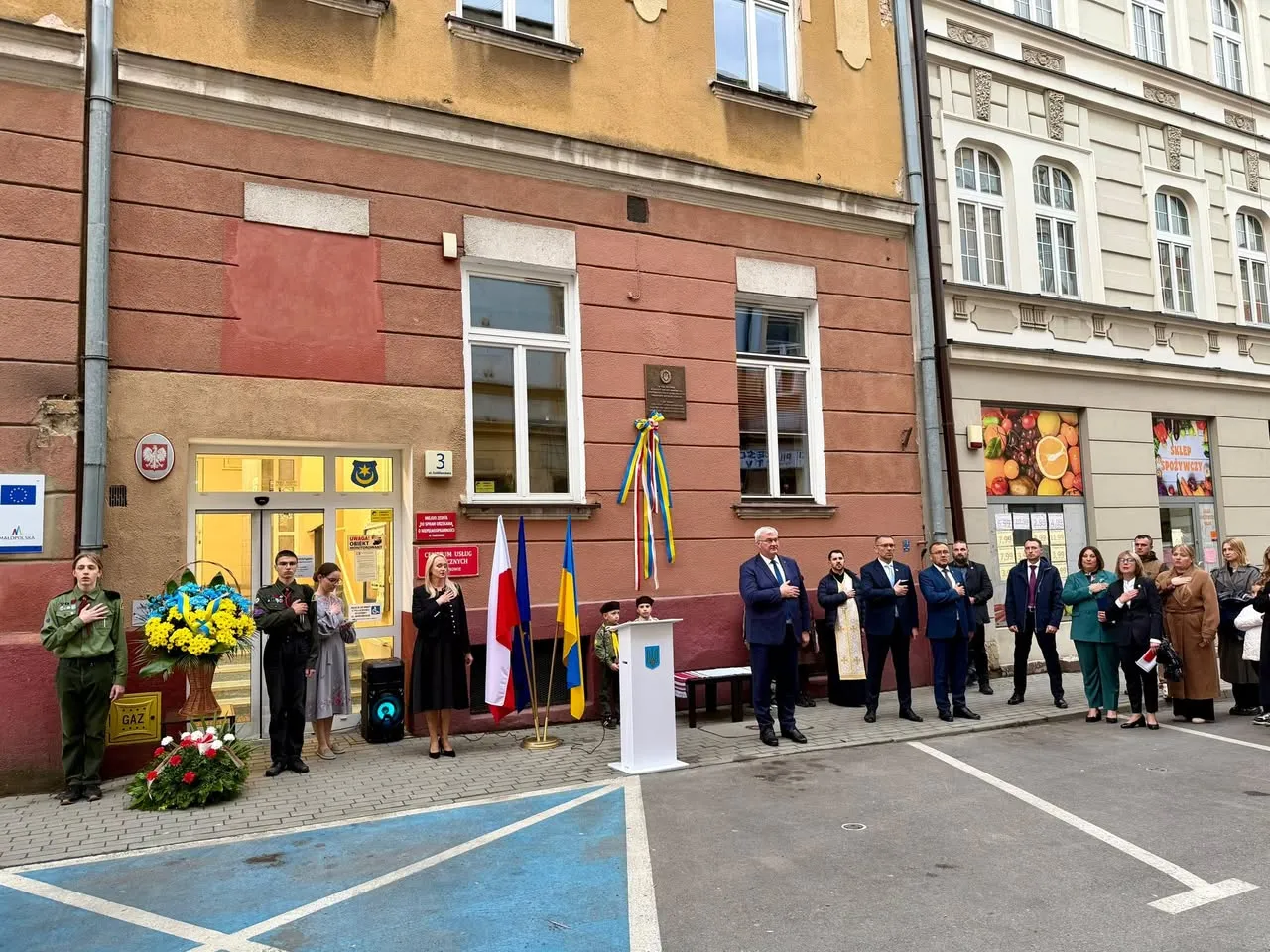
Ukraine and Poland emphasize the importance of shared historical memory and solidarity, particularly in the context of the activities of Ukrainian state institutions in exile in Tarnów. In the current context of war, these historical parallels underscore the importance of international support, state strength, and the pursuit of victory and peace in the future.
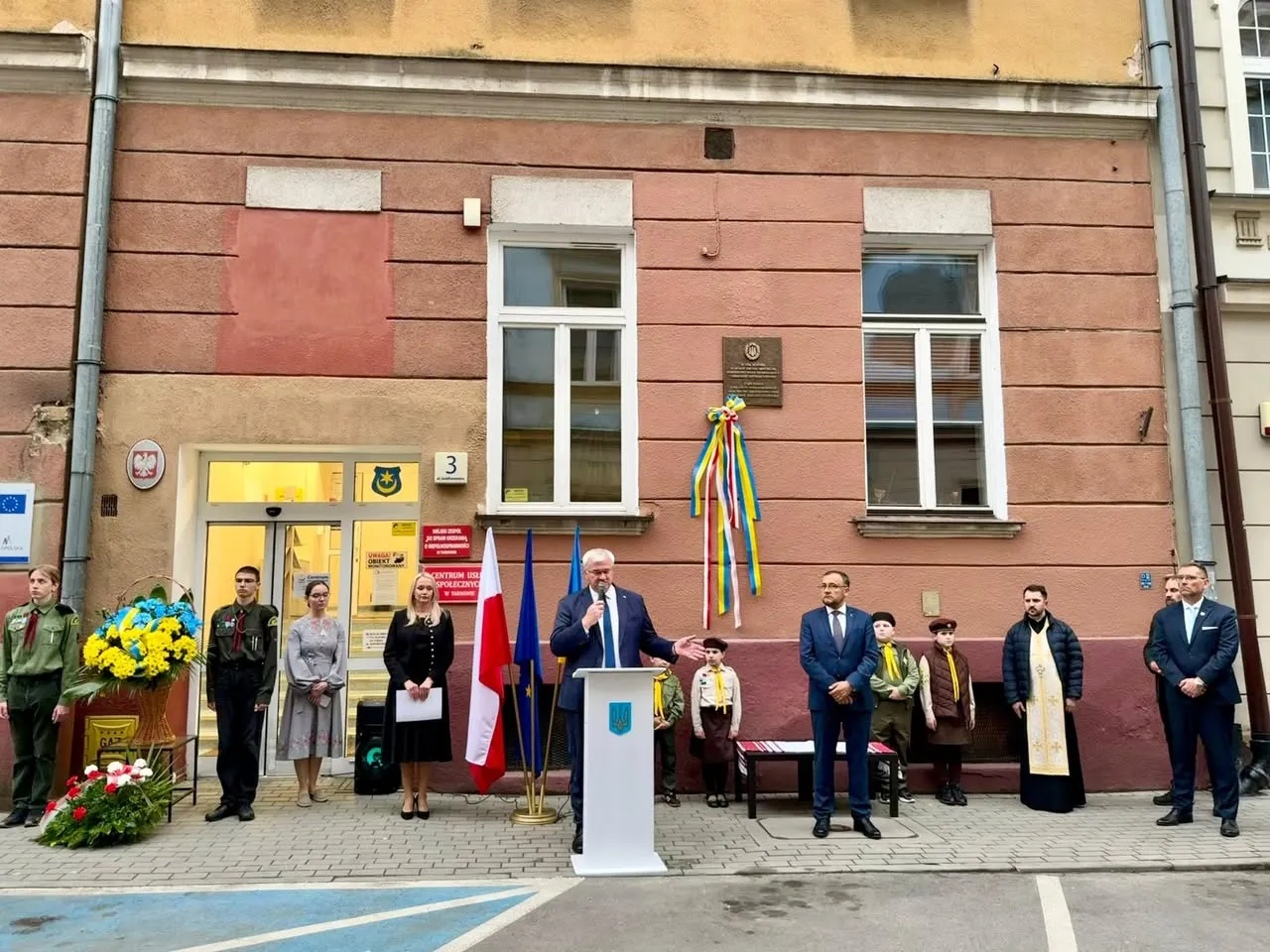
Andriy Sybiga, Head of the Ministry of Foreign Affairs of Ukraine, recalled this at the unveiling of the memorial plaque.
This is a building in Tarnów, Poland, where the Ministry of Foreign Affairs of the Ukrainian People’s Republic operated from 1920. Yesterday, we officially and solemnly unveiled a memorial plaque here.
This building, the former “Zoldinger” Hotel, served as the center of Ukrainian diplomacy in exile. And the “Bristol” Hotel at 9 Krakowska Street housed the Government of the UPR and the headquarters of Ataman Simon Petliura.
Tarnów is history. There are many places of national memory here. Memories that need to be reclaimed, restored, and commemorated. Because this is not only about the past, but also about the future. Yesterday, Plast members attended our ceremony, and it was truly symbolic. We came to the past hand in hand with the future. We came with honor and respect. To seek instructive lessons, not despair. To seek strength, not despair.
At that time, despite extremely difficult conditions, Ukrainian diplomacy maintained contacts with many countries in Europe and around the world. The Ministry coordinated the activities of diplomatic missions, particularly in Poland, France, Germany, the United Kingdom, the United States of America, Turkey, and Switzerland.
And no matter how dire the situation of Ukrainian leaders was a hundred years ago, they preserved the continuity of Ukrainian statehood. They preserved what mattered most: faith in a free and independent Ukraine.
This building is as much about the past as it is about the future. Yes, many people were forced to leave back then. Unfortunately, we know what it means for an entire generation to face such a tragedy. But this is also about strength. Had the UNR not existed, and had the state-building tradition not been preserved here in Tarnów at that time, there would be no modern independent Ukraine today.
In my office in Kyiv, there is a photograph that I show my guests. It depicts a meeting of the UNR ambassadors in 1920. The minutes of that meeting have survived to this day. It is telling that the topics of discussion were the same: procuring weapons, putting pressure on the aggressor, countering enemy propaganda, and others. Everything we discuss at our modern meetings. And I often reiterate my sincere wish: that Ukrainian diplomats one day discuss other topics related to peace and development, rather than war and confrontation.
At the same time, comparing events from a century ago with the present, we can conclude that modern Ukraine is in a much better position. We have a large and strong military, broad international support, and a stable state. We must seize this historic opportunity to defeat our age-old enemy. We must break this cycle of history. And today, we are closer to this than ever before.
The history of Tarnów also shows how important solidarity between the Polish and Ukrainian peoples was and remains. At that time, Poland became a place where Ukrainian state institutions could continue their activities. This historic gesture of support remains an important part of the shared memory of our peoples.
I sincerely thank everyone who contributed to the implementation of this important initiative: Vyacheslav Voynarovsky, Consul General of Ukraine in Krakow; Vasyl Bodnar, Ambassador of Ukraine to Poland; the staff of the Embassy and Consulate General of Ukraine in Kraków, Honorary Consul Bartłomiej Babuszka and the staff of the Honorary Consulate of Ukraine in Tarnów, the city authorities of Tarnów led by Mayor Jakub Kwaśny and his deputy Agnieszka Kawa, City Council Chair Katarzyna Menkal and city councilors, the Institute of National Remembrance, the author of the plaque project, Ewa Fleischer, the head of the non-governmental organization “Scientific Society for the History of Diplomacy and International Relations,” Professor Iryna Matyash, and the staff of the Provincial Office for the Protection of Monuments in Kraków and its Delegation in Tarnów.
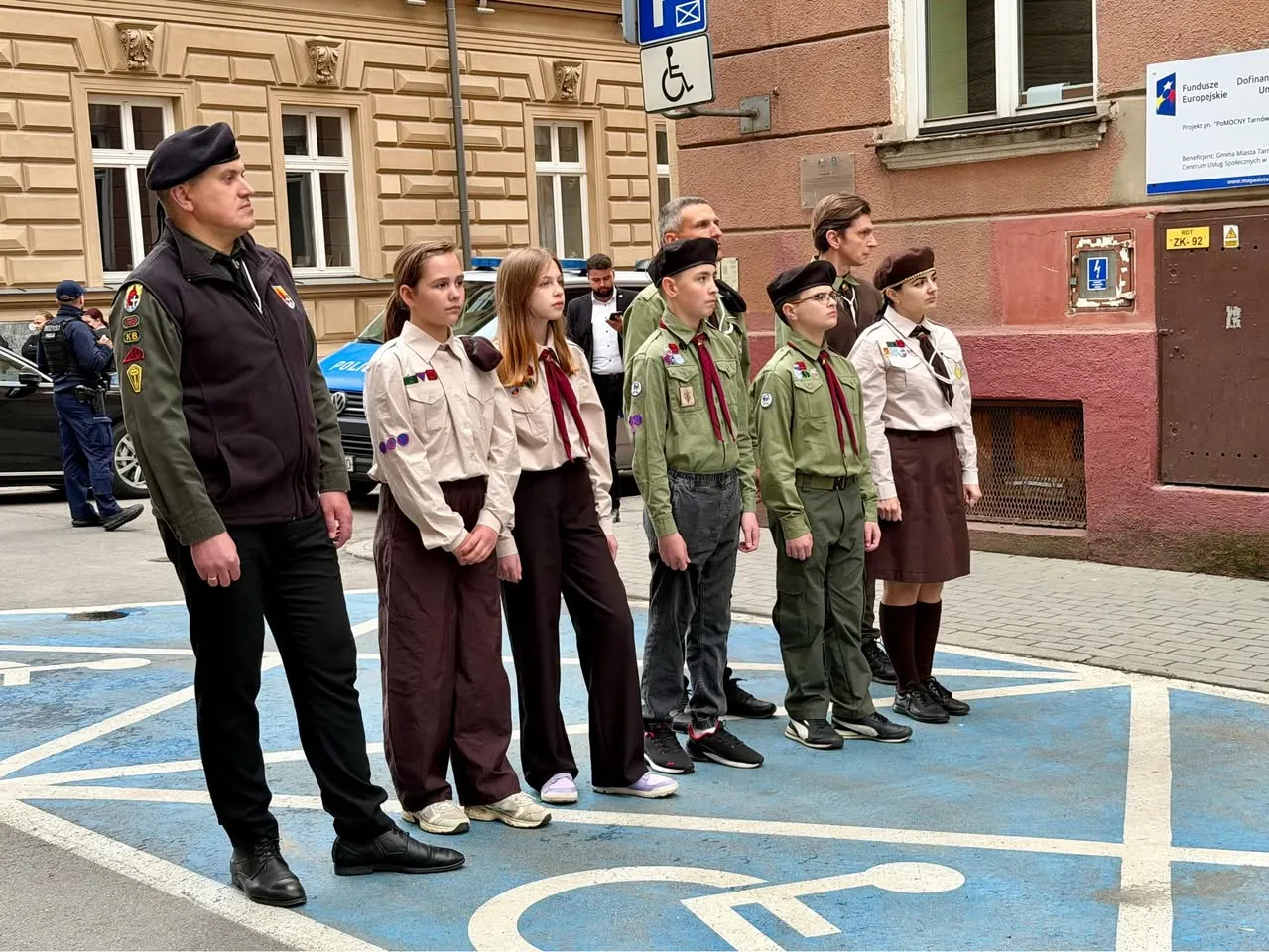
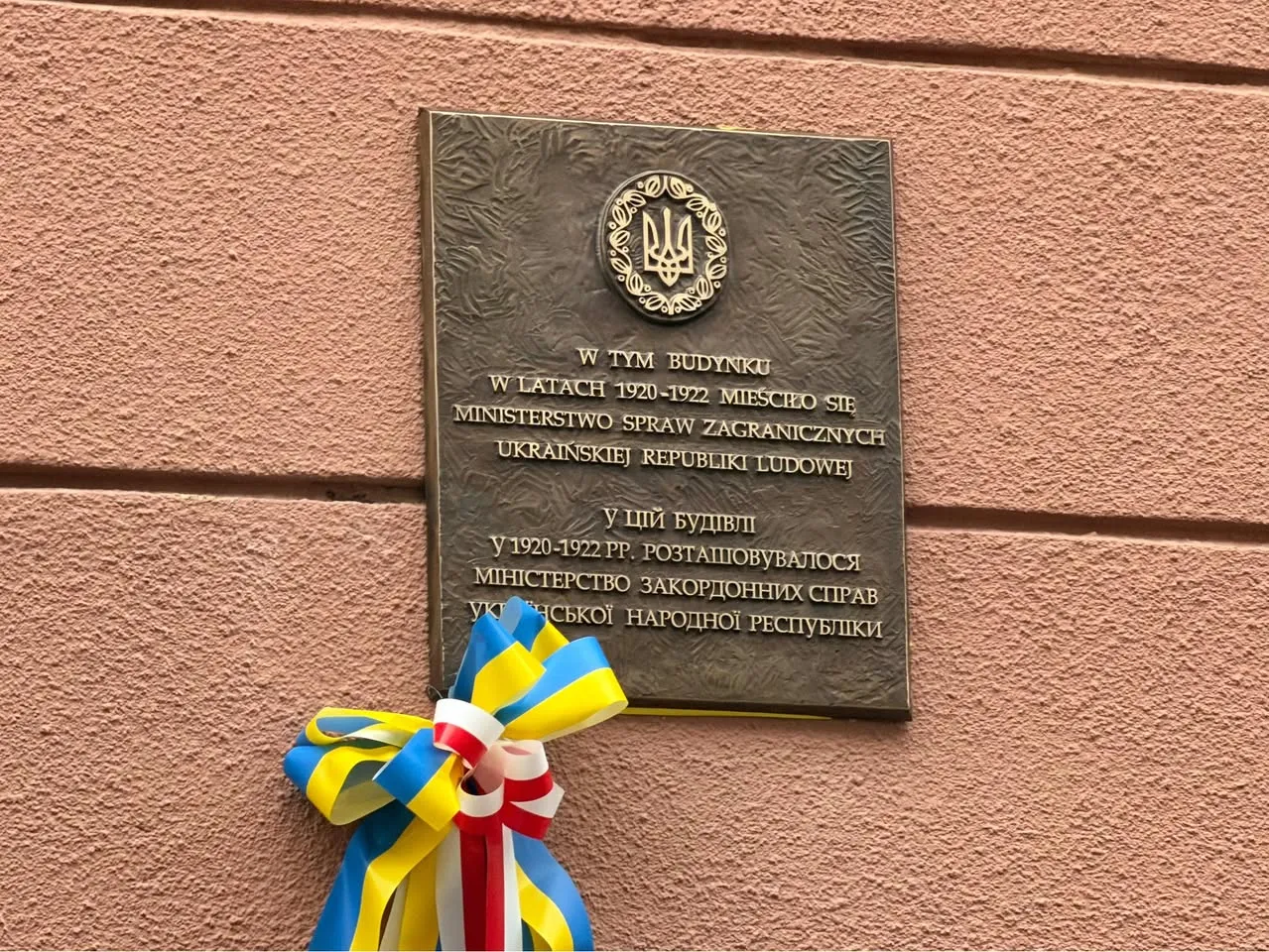
We are stronger when we remember the lessons of the past. The Polish-Ukrainian brotherhood, forged in Tarnów, is now stronger than ever before in history.
May this memorial plaque serve as a symbol of historical memory, respect for the past, and the enduring and strong friendship between Ukraine and Poland.
As a reminder, Ukrainian citizens residing in Poland with temporary protection status (PESEL UKR) are now eligible to apply for a three-year residence permit.
Nine U.S. and Canadian citizens who illegally entered the grounds of the former Nazi concentration camp Auschwitz-Birkenau were detained in Poland.
Poland has decided to cancel a concert by American rapper Kanye West that was scheduled to take place in the city of Chorzów. The decision was prompted by public outcry and scandals surrounding his previous statements related to Nazism and anti-Semitic remarks.


