
In Russia, television is losing its status as the primary source of news — intelligence
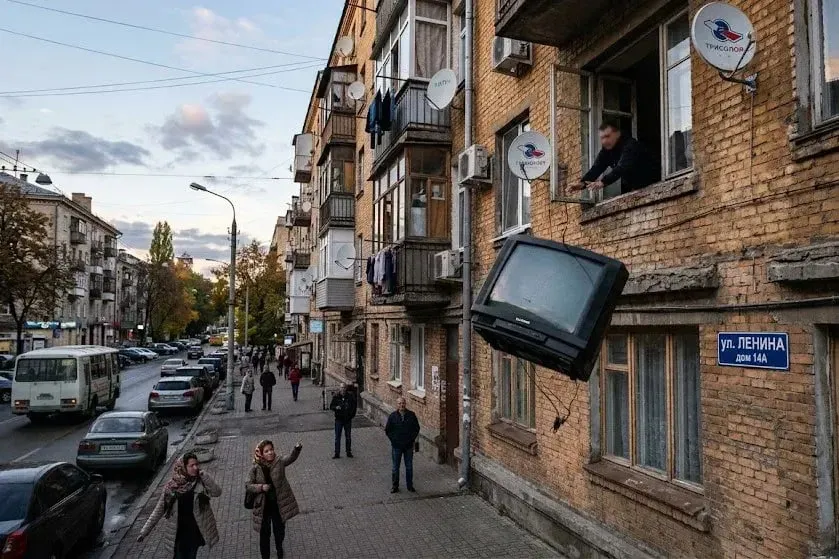
According to intelligence reports, the percentage of Russians who consider television their primary source of information dropped to 47% in 2026. At the same time, approximately one-third of the country’s population has stopped watching television altogether.
This was reported by the Foreign Intelligence Service.
In recent years, the proportion of Russians who get their news from television has dropped significantly, while the number of those who are giving up TV in favor of the internet and social media is growing. Overall, the trend indicates a gradual decline in the influence of state television as the primary source of information.
Over the course of more than four years of full-scale war against Ukraine, the proportion of people in Russia who consider television their primary source of information has dropped significantly. On the eve of the invasion and during the first year of hostilities, approximately 60% of Russian respondents received all their news exclusively from television. However, in 2024–2025, this figure fell to 55%, and by early 2026, it stood at just 47%, according to the report.
At the same time, the percentage of those who do not turn on the TV at all or do not even have one at home is growing rapidly. While in the first half of 2022 such viewers accounted for only 18%, by March 2026 the figure had risen to 33%.
This trend is largely due to the total disconnect between Kremlin disinformation and the actual situation on the front lines. Russians are increasingly outraged by the authorities’ attempts to downplay or completely ignore pressing issues. In the spring of 2026, 44% of Russian citizens are actively following events in Ukraine, and only 30–35% of them still trust official information from TV and state media.
The situation is even worse regarding “love for the boob tube” among Russian youth (aged 18–30). In this demographic, only 16% of respondents cite television as their primary news source. The vast majority have long since switched to the internet and social media.
In an effort to maintain control over the core audience for propaganda, the Kremlin blocks alternative platforms and attempts to artificially control the online space with “correct” news, the report noted.
However, the effectiveness of these efforts is highly questionable: currently, 55% of Russian consumers are convinced that they would not lose anything at all if television were to completely cease broadcasting for at least a year.
In Russia, the moment where Putin couldn’t say “Hurrah!” was edited out of the broadcasts.
On the night of May 24, Russian troops launched a massive combined attack on Kyiv, using ballistic missiles and strike drones. All districts of the capital came under fire.
On the night of May 24, Russian troops launched a massive attack on the Kyiv region, using strike drones, cruise missiles, and ballistic missiles. The shelling resulted in casualties and damage across all districts of the region.


