
27 otters and five family groups found in Seoul’s Han River and its tributaries
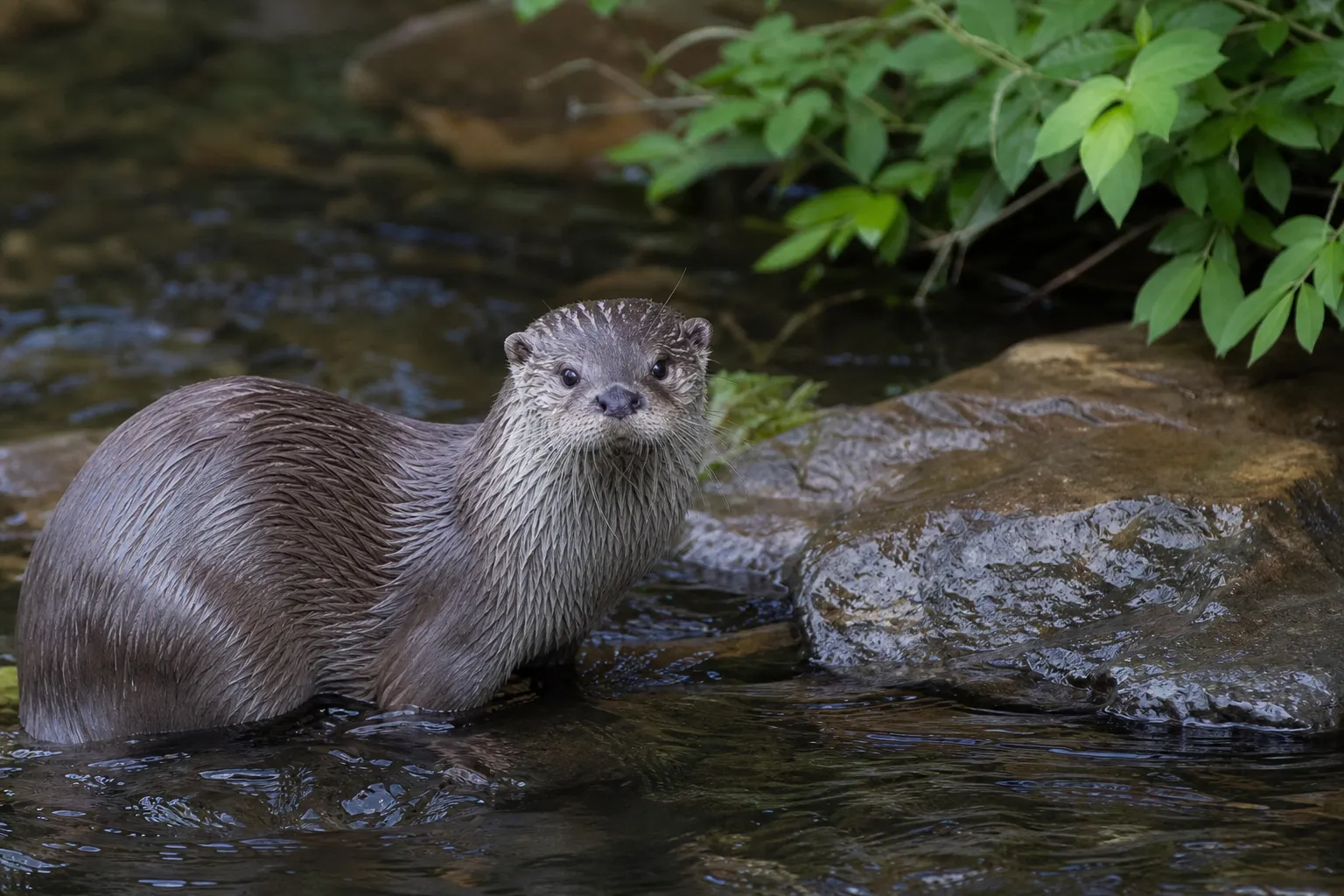
Twenty-seven Eurasian otters, including five “parent-offspring” family groups, have been found in the Han River and its tributaries in Seoul. This is more than during a 2022 study, when 15 animals were recorded along the river and its tributaries, Korea Herald reports.
Otter DNA study
South Korea’s National Institute of Biological Resources identified the animals by analysing DNA in 106 fecal samples. The samples were collected from January to April at 27 locations. Twenty-one otters were found in the main channel of the Han River, with another six found in tributaries.
The largest number of animals was recorded in eastern Seoul. Five otters were found near Seongnae Stream in Songpa-gu District. Three individuals each were recorded near Jamsil Bridge, Yangjae Stream in Gangnam-gu District, and Jungnang Stream in the city’s northeast. Another four were found near Hangang Bridge.
Among the identified otters were 16 females and 11 males. Genetic analysis showed that all 27 animals are related, including forming five “parent-offspring” groups.
More current news is available on the UA.News Telegram channel Telegram.
The species’ return to the capital
The Eurasian otter is designated a natural monument and a Class I endangered species in South Korea. Otters had previously been widespread along the Han River, but their numbers sharply declined due to hunting, water pollution, and habitat loss.
The development of concrete embankments and the construction of Paldang Dam also disrupted the river’s aquatic ecosystem. An otter carcass found near Olympic Bridge in 1986 remained the last recorded trace of the species on the Seoul section of the Han River for three decades.
In March 2016, an otter was filmed in Tancheon Stream, a tributary of the Han River, and in January 2017, a family of four animals was recorded near Gwangjin Bridge. Researchers link the population’s recovery to improved water quality, the restoration of fish stocks, and work to restore natural riverbanks. For about 20 years, Seoul has been replacing concrete reinforcements with soil, gravel, and vegetation, and plans to complete designated sections by 2028.


