
A Russian spacecraft's antenna malfunctioned after launch — Reuters
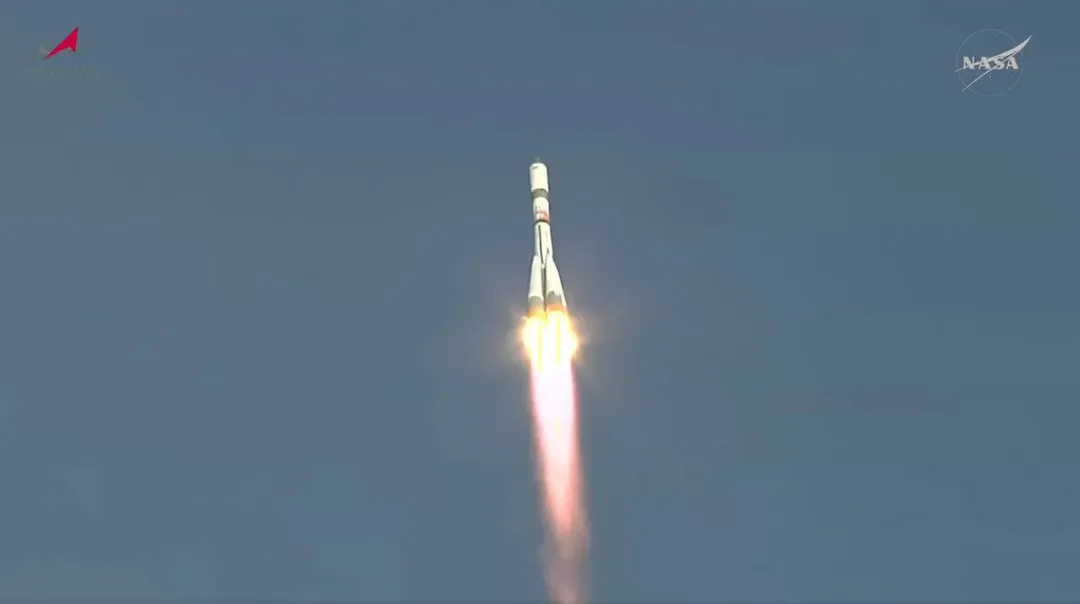
The Russian unmanned cargo spacecraft "Progress MS-33" has experienced technical problems with its rendezvous system antenna.
This was reported by Reuters.
Due to this malfunction, upon arrival at the International Space Station (ISS), the crew will have to perform the docking manually instead of automatically.
The Soyuz-2.1a carrier rocket successfully launched on Sunday, March 22, from the Baikonur Cosmodrome in Kazakhstan and placed the cargo spacecraft into orbit.
The spacecraft is carrying about 2.5 tons of critical cargo: food, water, fuel, oxygen, and other supplies to support the crew’s life support systems.
LIVE: A Roscosmos cargo spacecraft carrying food, fuel, and supplies is about to launch to the @Space_Station. The uncrewed Progress 94 craft is scheduled to lift off at 7:59 a.m. ET (1159 UTC). https://t.co/uIjOMqVcDE
— NASA (@NASA) March 22, 2026
According to official data from Roscosmos, a malfunction was detected in one of the antennas of the Kurs system, which is responsible for automatic approach and docking.
Currently, ground control is attempting to resolve the issue remotely, but the primary plan calls for direct intervention by the astronauts.
ISS Commander Sergei Kud-Sverchkov is expected to take control of the process on Tuesday and dock the cargo spacecraft to the station.
This requires high precision and coordination of movements, as the automated systems are currently unable to guarantee a safe connection between objects in space.
NASA has confirmed that all other onboard systems of the Progress are operating normally and pose no threat to the station.
As a reminder, Russia launched a prototype of a nuclear anti-satellite weapon into space.
Additionally, Russia is no longer able to send astronauts into space.
