
AFL-CIO institute in the US calls for ban on electronic shelf labels
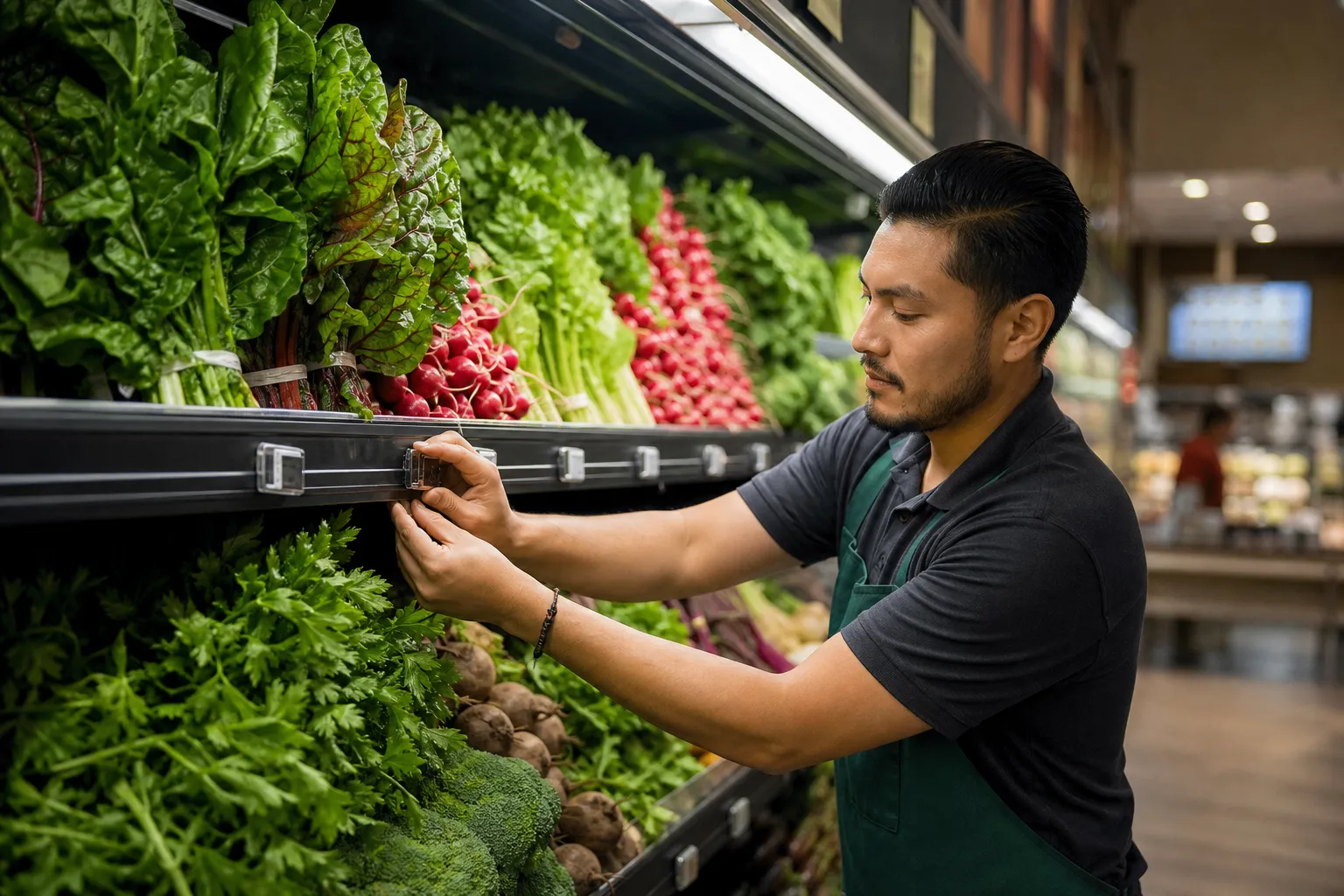
In the United States, the AFL-CIO Tech Institute has called for a ban on electronic shelf labels in stores. According to the institute, their widespread introduction in grocery stores could lead to the loss of tens of thousands of jobs, billions of dollars in lost worker earnings, and further price increases for shoppers, The Guardian reports.
Institute estimates
According to AFL-CIO Tech Institute estimates, widespread adoption of electronic shelf labels could affect 44,223 to 191,633 jobs. The institute estimated annual losses in workers' earnings at $1.6 billion to $6.9 billion.
These conclusions are set out in the analytical paper Priced Out, Pushed Out: Electronic Shelf Labels Raise Prices and Shrink Paychecks. Its authors analyzed marketing materials from label manufacturers that promote this technology to retailers as a way to reduce costs.
Report co-author Sunny Glottmann said that electronic shelf labels are linked to algorithmic pricing software already used by online sellers. According to her, such infrastructure makes it easier to change prices rapidly on a large scale.
Prices and legislative initiatives
The AFL-CIO Tech Institute believes that the technology may create conditions for dynamic pricing and pricing based on shoppers' personal data, which the report called “surveillance pricing.” As an example of dynamic pricing, the authors cited a possible increase in the cost of allergy medicine during periods of high pollen levels.
More current news is available on the UA.News Telegram channel Telegram.
Institute Executive Director Lauren McFerran noted that electronic shelf labels make it possible to change the prices of goods instantly. According to the report, food prices in the United States have risen by 33% over the past seven years and have outpaced inflation and wage growth.
Several states have begun introducing legislative restrictions on pricing based on personal data and electronic shelf labels. In April, Maryland became the first US state to ban surveillance pricing. In June and July, corresponding bans were signed in Connecticut and New Jersey.
A United Food and Commercial Workers union poll released in May showed that 68% of Americans believe surveillance pricing will increase grocery costs, while 65% expect the same effect from digital shelf labels. A ban on both practices was supported by 67% of respondents, while 26% opposed it.
UFCW International Vice President Ademola Oyefeso said that, due to the introduction of electronic shelf labels, workers who replace paper price tags may gradually have their working hours reduced. He also noted that electronic systems allow prices to be adjusted several times a day.




