
Global oil reserves could run out in a month — Bloomberg
Bloomberg reports on this.
According to Frederic Lasser, head of the analytical department at the trading company Gunvor Group, if the war continues for another month, oil markets will exhaust their reserves.
In turn, Saad Rahim, chief economist at Trafigura Group, stated that the conflict has already caused a loss of one billion barrels of supply, and this figure could rise to 1.5 billion barrels if the conflict continues.
Brent crude oil futures have shown significant volatility since the start of the war in Iran, rising to nearly $120 per barrel and then falling amid prospects for peace talks. On Tuesday, April 21, they were trading at around $95 per barrel, partly due to the belief that the conflict will end soon.
“The scale seems to be such that the market really can’t grasp it. It will take time for flows to return to normal levels if a peace agreement is reached, so there is a real disconnect between perception and reality right now,” says Rahim.
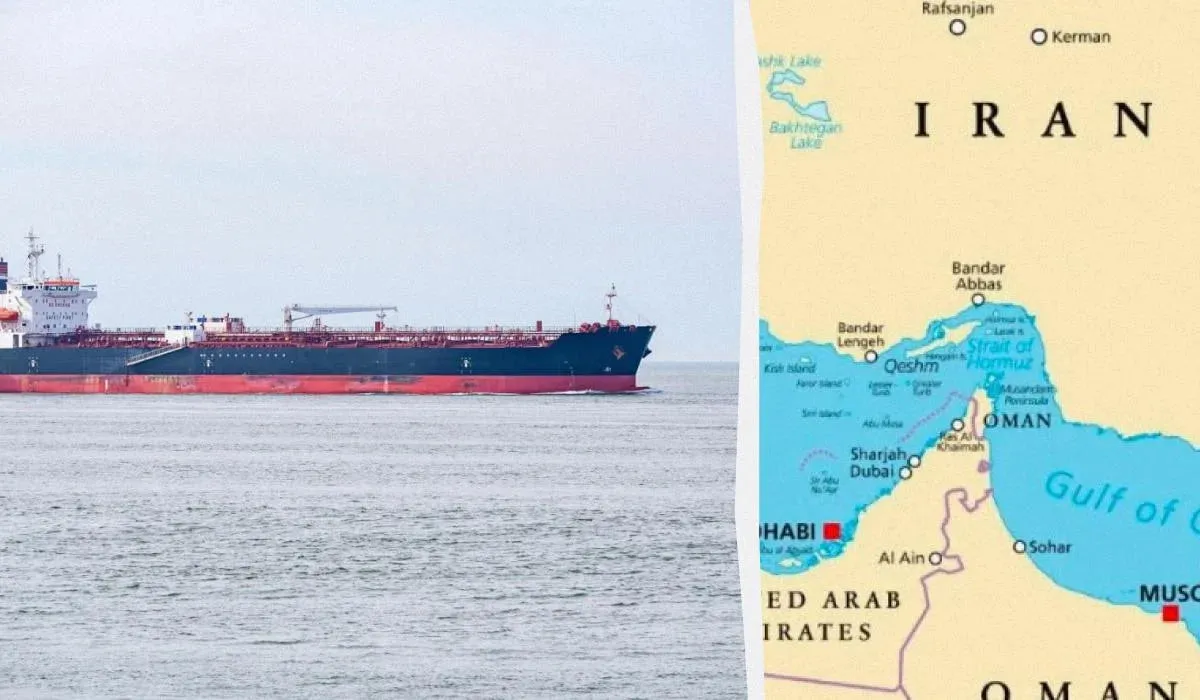
Amrita Sen, co-founder and director of research at Energy Aspects, notes that oil shipments through the Strait of Hormuz may never return to pre-war levels. She forecasts that the war will result in the loss of about 450 million barrels of petroleum products, such as gasoline. This forecast is based on the assumption that passage through the Strait of Hormuz will be 50% open next month.
The Verkhovna Rada has passeda law on minimum reserves of oil and petroleum products.
The IEA announcedan unprecedented disruption in global oil supplies.
Trump announcedthe use of the U.S. Strategic Petroleum Reserve to lower oil prices.
The consequences of the sharp rise inoil prices: economist Yuriy Gavrilechko.
Record risein oil prices: what’s happening, who stands to gain, and what to expect.
Brent crude fellto $87 after IEA intervention — Reuters.


