
Zambia studies motives of those convicted of wildlife crimes — Mongabay
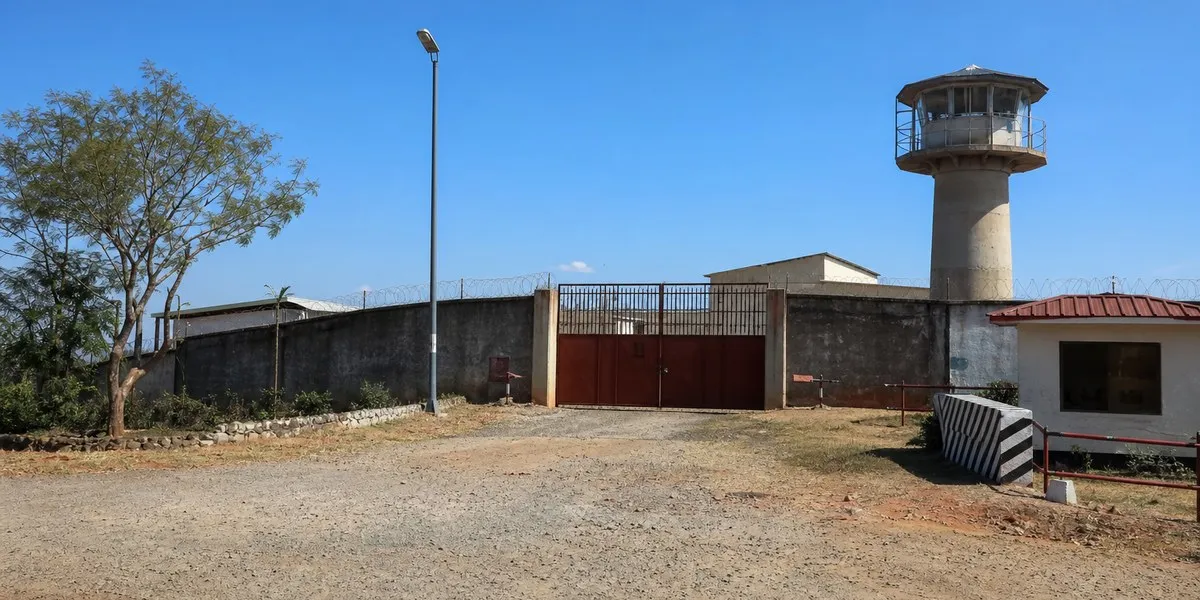
In Zambia, the non-governmental organization Wildlife Crime Prevention Zambia, together with Copperbelt University, surveyed 302 people imprisoned for wildlife crimes to determine the reasons for their involvement in poaching and illegal trade. For 40% of respondents, opportunity was the main factor, while another 16% named life circumstances as decisive, including the need for food or medical care.
According to Mongabay, researchers conducted interviews in 32 correctional facilities. Almost all respondents were men, and the overwhelming majority were serving a sentence for the first time. At the same time, about one-third of participants said they had previously been involved in wildlife crimes but avoided detection.
Which crimes were studied
The most common offenses among the respondents were related to hunting wild animals for meat. The study also covered poaching involving elephants, pangolins and rhinos, illegal fishing, and firearm-related crimes. Zambia is a country of origin for wildlife products and an important route for the illegal movement of contraband, including through its shared borders with eight states.
More current news is available on the UA.News Telegram channel Telegram.
Researchers estimate that people imprisoned for wildlife crimes account for about 7% of all prisoners in the country. A first conviction for hunting in a protected area without a license can carry between three and 10 years in prison. For illegal possession of trophies from protected species, as well as crimes involving elephants or rhinos, a prison term may exceed 20 years.
Employment after release
The researchers did not directly ask participants about a possible return to poaching after release. However, about one-third of respondents said or indicated that they did not want to continue illegal hunting or trade. Around 5% expressed an intention to reoffend or concern that they could again become involved in illegal trade because of a lack of another source of income.
Wildlife Crime Prevention Zambia completed a six-month pilot program designed to help prisoners reconnect with their families and plan legal sources of income before release. The organization also provided released participants with equipment for crop and livestock farming, as well as start-up assistance to open small grocery shops.




