
Japanese government asks Hitachiomiya to approve study for nuclear waste repository
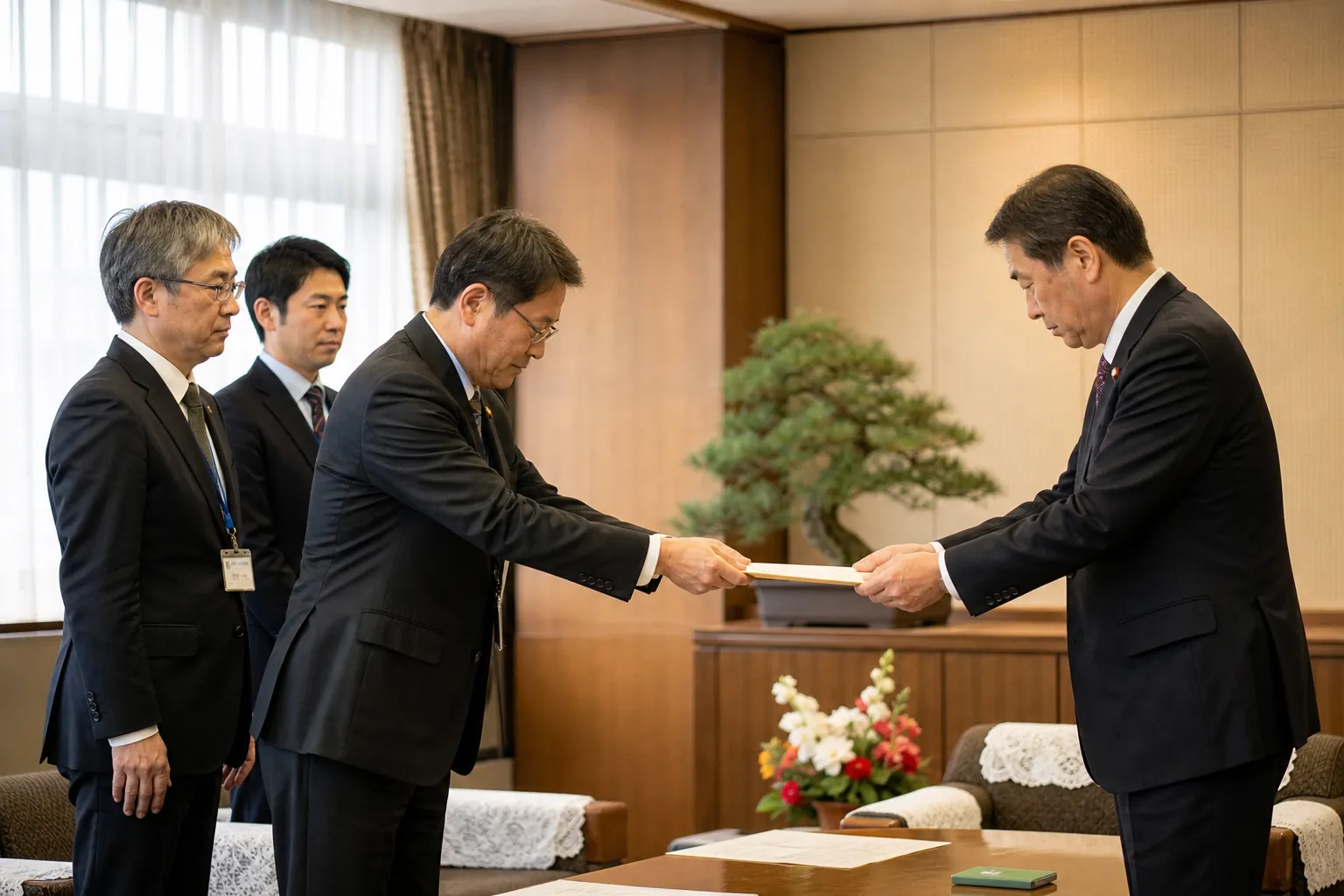
Japan’s Industry Ministry has asked the city of Hitachiomiya in Ibaraki Prefecture to approve a study to select a site for the final disposal of high-level radioactive waste from nuclear power plants. The Japan Times reports.
Position of the city authorities
Ministry representatives delivered a written request to Hitachiomiya Mayor Sadayuki Suzuki. He said he views the proposal positively but wants to make a final decision after discussions with the city council.
If the city accepts the proposal, it will become the fifth location in Japan to agree to such a study. It was previously accepted by the town of Suttsu and the village of Kamoenai in Hokkaido, the town of Genkai in Saga Prefecture, as well as the remote island of Minamitorishima, which belongs to Tokyo and is part of the Ogasawara island chain in the Pacific Ocean.
This is the second case in which the central government has approached a municipality with such a proposal without a request from the local community.
More current news is available on the UA.News Telegram channel Telegram.
Selection procedure
Industry Minister Ryosei Akazawa thanked the mayor for taking the request seriously. According to him, the government will also independently approach other municipalities to expand the areas where studies based on documents and scientific materials can be conducted.
Hitachiomiya is located in the northwestern part of Ibaraki Prefecture and borders Tochigi Prefecture. In 2017, the city was included on the government’s scientific characteristics map of areas where the likelihood of finding favorable conditions for a final repository is relatively high. Such conditions include the absence of nearby volcanoes or active faults. Parts of the city are located about 20 kilometers from the coast, which is also considered favorable for transportation.
The study based on documents and scientific materials is the first of three selection stages. Over approximately two years, specialists will examine geological maps and scientific papers, including the possible impact of volcanoes and faults. Moving on to preliminary and detailed studies requires the consent of the prefectural governor and the heads of the relevant municipalities. The entire site-selection process is estimated to take about 20 years.


