
In England, a capybara named Samba escaped from the zoo and has been living in the wild for half a year
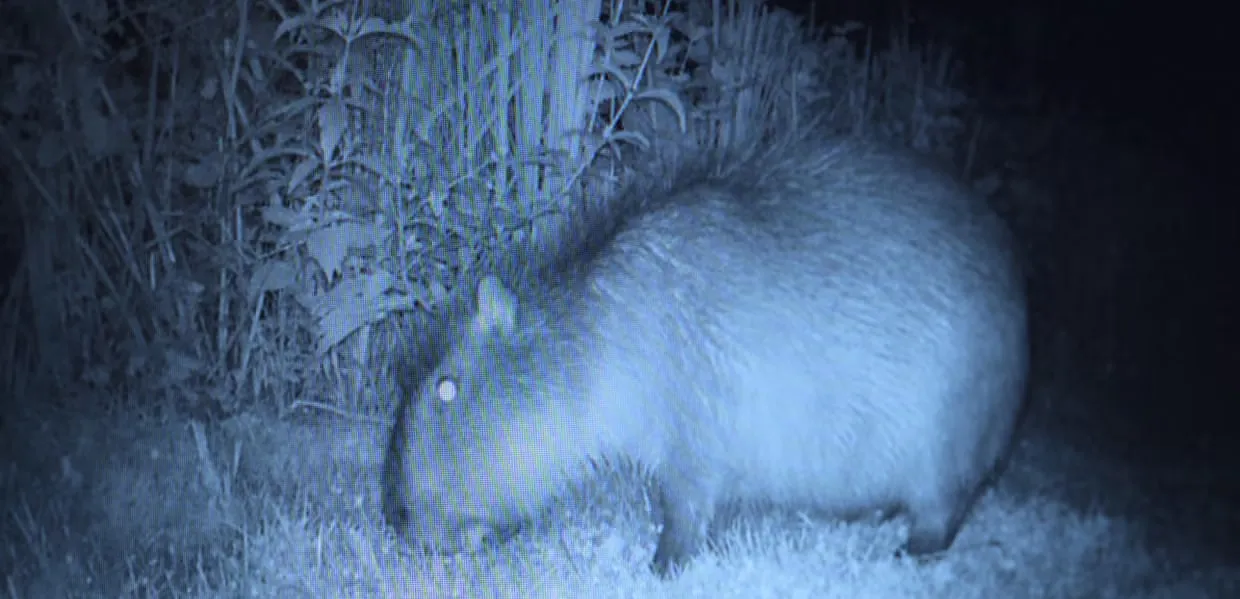
Samba the capybara, who escaped from Marwell Zoo in Winchester, England, in March, has been living in the wild for about half a year. Zoo staff are still trying to find her, and recently received confirmation that she is alive and appears to be healthy.
Samba escaped along with her older sister, Tango, shortly after they were both brought to the zoo. The capybaras were in a quarantine enclosure, but the animals disappeared the very next day.
Staff members suspect that the capybaras managed to squeeze through a small gap in the gate.
“We think they somehow squeezed through a very small gap in the gate. That’s the only explanation we have,” said Laura Reed, CEO of Marwell Wildlife.
Tango was found the very next morning on the zoo grounds and was caught using nets. Samba, meanwhile, had left the Marwell grounds. She was later spotted near a pub in Oslebury, about 3.2 kilometers from the zoo.
After that, zoo staff, local residents, and drone specialists were brought in to help with the search. Cars were considered the main threat to the capybara, as she has no natural predators in the area.
“We knew she would likely be looking for water, and they’re excellent swimmers. Water would have been a refuge for her,” Reed explained.
Five days after her escape, Sambu was spotted on the banks of the Itchen River in Twyford. A local resident’s dog chased the animal, after which it jumped into the water. Since then, the search has focused on the area near the river and the surrounding wetlands.
They were also joined by Glenn Moors, who monitors wildlife using drones and thermal imaging cameras.
Despite several weeks of active searching, Sambu remained elusive for a long time. In August, the zoo received a photo of a rodent-like animal from a camera trap, and about a week later, Marwell’s own cameras captured the capybara.
“Without a doubt, this is our girl, and she looks well-fed and healthy,” said Reed.
Samba was spotted about 3–5 kilometers from the zoo, not far from where she had been seen before. Staff believe this area is ideal for capybaras because of the water and dense vegetation.
They are now trying to encourage her to return to a specific spot. To do this, they are leaving food—including sweet potatoes and melon—setting up camera traps, and laying out bedding previously used by Tango and another capybara named Ripple.
Zoo officials explain that a large number of people in the search area could, in fact, scare Samba away.
“A significant part of our work simply isn’t visible to the public, because it involves, for example, drone flights at 6 a.m., camera traps, and a person who spends hours reviewing the footage from them. We know that if we just send a lot of people there, they’ll only drive her even further away,” Reed noted.
Winter may make the search easier, as the capybara will be easier to spot due to the reduced vegetation. At the same time, severe frosts could pose a danger to her.
“If we had a really severe cold snap, we’d all be very worried. But if it’s just wet and windy, she’ll be fine,” Reed said.
The zoo is confident that they will be able to bring Samba back. Once she returns, they plan to gradually reintroduce her to her sister, Tango, since her behavior may have changed after spending half a year in the wild.
Source: The Guardian.
The Kyiv Zoo has denied rumors about the recent deaths of giraffes.
Animals at the Tyrana Zoo are suffering from the heat and lack of shade.
At the Kyiv Zoo, crocodiles and turtles were affected by the Russian attack.




