
The war in Iran has brought U.S. oil giants more than $130 billion in profits
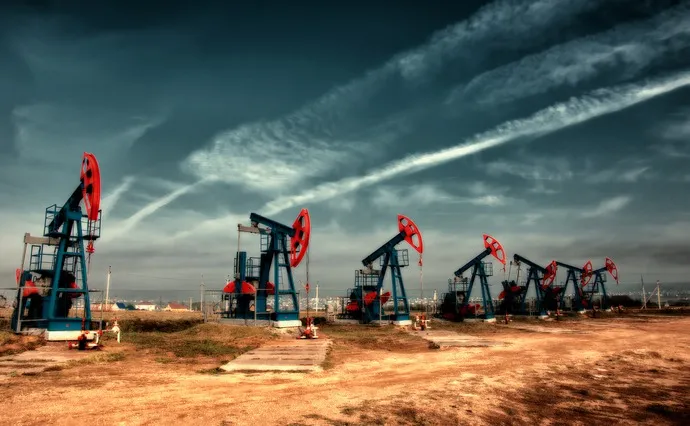
From April through September 2026, more than 50 major U.S. oil and gas companies reported total profits of over $130 billion. One of the reasons for this growth was high fuel prices amid the war with Iran. At the same time, American drivers spent nearly $148 billion more on gasoline and diesel over the eight months of the conflict.
The New York Times reported this on October 30 after analyzing the financial statements of more than 50 major U.S. oil and gas companies for the second and third quarters of 2026. According to the publication’s calculations, from April through September, their combined profits exceeded $130 billion. This is nearly three times more than during the same period last year, when the companies earned less than $47 billion.
The current figures are approaching the levels seen in 2022. Back then, in the second and third quarters, U.S. oil companies earned nearly $140 billion. That period was also marked by a sharp rise in oil prices following Russia’s full-scale invasion of Ukraine.
Why did oil companies make such profits?
The war with Iran caused a sharp rise in fuel prices. This proved profitable for U.S. companies involved not only in oil and gas production but also in refining raw materials. High prices for gasoline and diesel increased the profitability of this business segment. Thus, while American consumers are forced to pay more at gas stations, energy companies are generating significantly higher revenues. According to The New York Times, it is precisely the rise in fuel prices that has made the oil refining business particularly profitable.
However, the financial windfall for companies has translated into additional costs for ordinary Americans. According to an analysis by Brown University’s Climate Solutions Lab, during the first eight months of the war with Iran, U.S. residents spent nearly $148 billion more on gasoline and diesel. On average, this amounts to about $1,130 in additional expenses per household. Drivers who regularly use cars and depend on fuel prices felt the price hike the most.
Specifically, since February 28, the retail price of gasoline in the U.S. has risen by 41%, and that of diesel fuel by 72%. This increase directly impacts family budgets and also raises business costs for transporting goods and operating vehicles.
High Oil Company Profits Could Hurt Trump’s Approval Ratings
Amid record profits for U.S. oil companies, dissatisfaction over higher fuel prices is growing. For Americans, this is one of the most pressing economic issues, as gasoline prices affect the daily expenses of millions of families. The situation could also have political consequences for Donald Trump and his supporters. Midterm congressional elections are scheduled to take place in the U.S. in November 2026. Rising fuel costs could be one of the factors influencing voters’ attitudes toward the Republicans.
An article in The New York Times highlights the contrast between oil industry profits and household expenses. Companies reaped tens of billions of dollars in additional profits, while American households spent nearly as much on rising fuel costs.
Thus, the war with Iran has been a source of significant profits for American oil companies, but at the same time has increased financial pressure on consumers. And how voters assess fuel prices and the economic consequences of the war could influence the results of the November congressional elections, according to The New York Times.
Oil prices rose by more than 2% on October 30 following incidents involving tankers in the Strait of Hormuz and amid investor fears of a possible resumption of U.S. military action against Iran. According to The National, the price of Brent rose 2.37% to $117.56 per barrel at 7:32 p.m. UAE time, while WTI gained 2.13% to $104.17.
Oil prices fell on the morning of October 29 following reports of U.S. diplomatic efforts regarding Iran. The price of Brent at 7:48 a.m. UAE time fell to $114.10 per barrel after rising more than 1% during the previous session. U.S. WTI crude was trading above $101 per barrel, according to The National.




