
Australia nears agreements to pave Outback Way
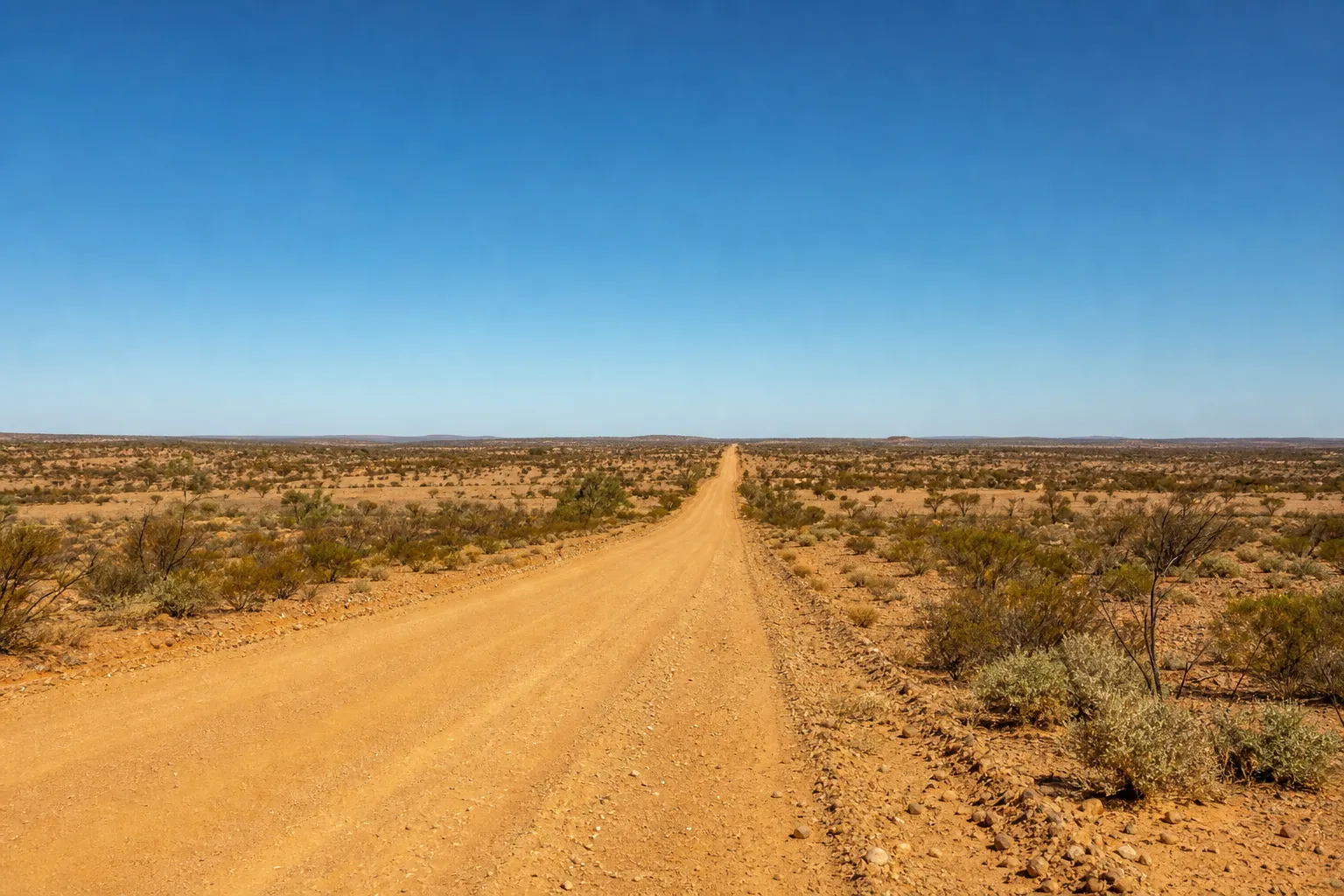
In Australia, years of negotiations with several groups of traditional landowners are nearing completion, which could open the way for paving the remote Outback Way highway. According to ABC News Australia, more than $1.2 billion has been allocated for work along the entire route by 2032.
Outback Way stretches for 2,719 kilometres through central Australia, from Laverton in the northern Goldfields region of Western Australia to Winton in Queensland. One of the key obstacles to the project has been reaching land-use agreements with Indigenous peoples in areas where a permit system applies to visitors.
Negotiations over the western section
Roadworks on the Western Australian section of the route, which extends for 736 kilometres from Laverton to the Northern Territory, were suspended four years ago due to lengthy negotiations. Liberal Party MP Rick Wilson criticised the Western Australian government in June for the project’s slow progress. He said that work was not being carried out even on sections not covered by Indigenous title claims.
A spokesperson for Western Australia’s Transport Minister Rita Saffioti said that all permits and registered agreements were necessary for the project’s long-term success. According to the spokesperson, the initiative is intended to create opportunities for training, employment and economic activity for local residents, Indigenous people and businesses.
More current news is available on the UA.News Telegram channel Telegram.
Ngaanyatjarra Council major projects adviser Ralph Addis called Outback Way a project of national significance with complex opportunities and challenges. He said construction is expected to begin early next year. Outback Highway Development Council chair Pat Hill also said that communities had participated in negotiations with the Main Roads road authority and the state government.
Environmental and social issues
Main Roads has completed a clearing assessment and biological survey for paving a 171-kilometre section. The plan involves clearing 660 hectares of native vegetation. The assessments found no significant impact on threatened flora or fauna, and the documents became part of the planning and approval process with the Department of Water and Environmental Regulation.
A social impact assessment raised questions about whether infrastructure along the route is ready for an influx of travellers and about protecting culturally significant sites if the current permit system is lost after the road becomes public. Other risks cited include the spread of infectious diseases, access to fuel not designed to prevent petrol sniffing, and increased police control.
Great Central Road currently receives an average of 30 to 60 vehicles per day. After the road is paved, traffic could increase by 300% over a decade, according to estimates, including because of a rise in freight transport. Representatives of traditional landowners have also expressed concerns about protecting culturally significant sites and visitors’ behaviour.


