
Australia restores populations of locally extinct desert species
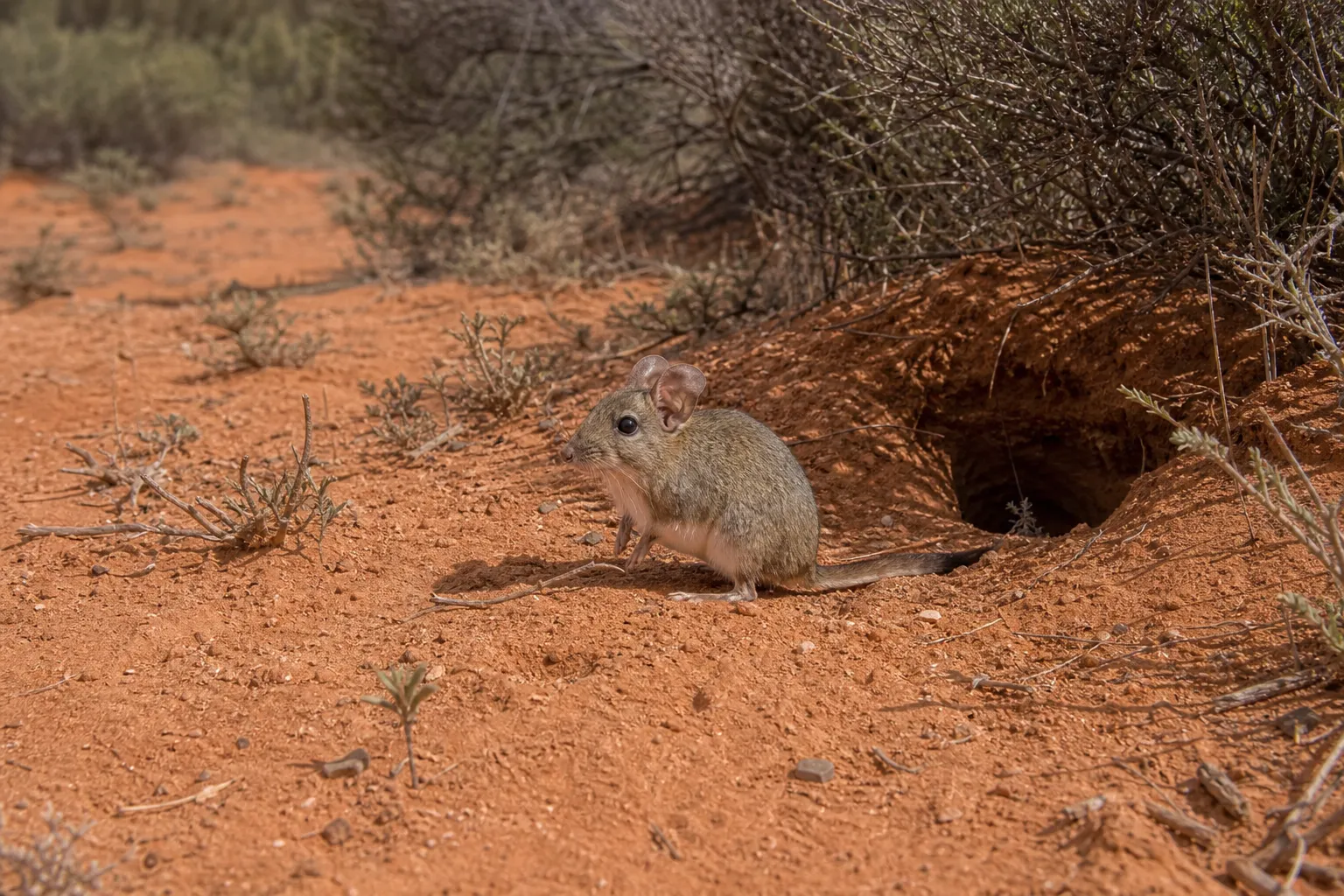
In Sturt National Park in northwestern New South Wales, Australia, the Wild Deserts project is bringing back species that disappeared from the region more than a century ago. Bilbies, bandicoots and bettongs are already being released beyond protected areas, where specialists are recording their survival and reproduction, ABC News Australia reports.
The project began in 2016 with the aim of restoring seven locally extinct species. The list included crest-tailed mulgaras, stick-nest rats, western quolls, Shark Bay bandicoots, golden bandicoots, bilbies and bettongs. According to the team, only stick-nest rats were unable to adapt to the conditions in the area.
Protected areas
To restore the animals, the team built two fenced areas of 2,000 hectares each to keep predators out. Before construction was completed, workers used a dog to identify and map about a thousand rabbit burrows. In early 2019, the areas were declared free of feral animals, and the first crest-tailed mulgaras and bilbies were released there the following year.
A 100-square-kilometre wild training zone, where the density of feral cat populations is low, is located around the fenced areas. Animals are later released there so they can learn to respond to threats from predators outside protected territories.
More current news is available on the UA.News Telegram channel Telegram.
Wild Deserts chief ecologist Bec West said that after release beyond the fences, the team has observed the animals surviving and reproducing. According to her, new individuals are joining the populations, which is a positive indicator for the programme.
Ecosystem restoration
Specialists refer to most of the reintroduced species as “ecosystem engineers.” While searching for food and building burrows, they loosen the soil, which promotes plant growth. After heavy rains, the team noticed differences in vegetation between areas where animals had been restored and territories without them.
According to Bec West, the project has exceeded initial expectations: it has created the largest rabbit-free area covering 4,000 hectares, restored six native species and released four of them beyond the fences. In June, New South Wales Environment Minister Penny Sharpe approved a new funding agreement for Wild Deserts for the next 10 years.


