
Man in Israel sentenced to 13.5 years in prison for assignments for Iranian agent
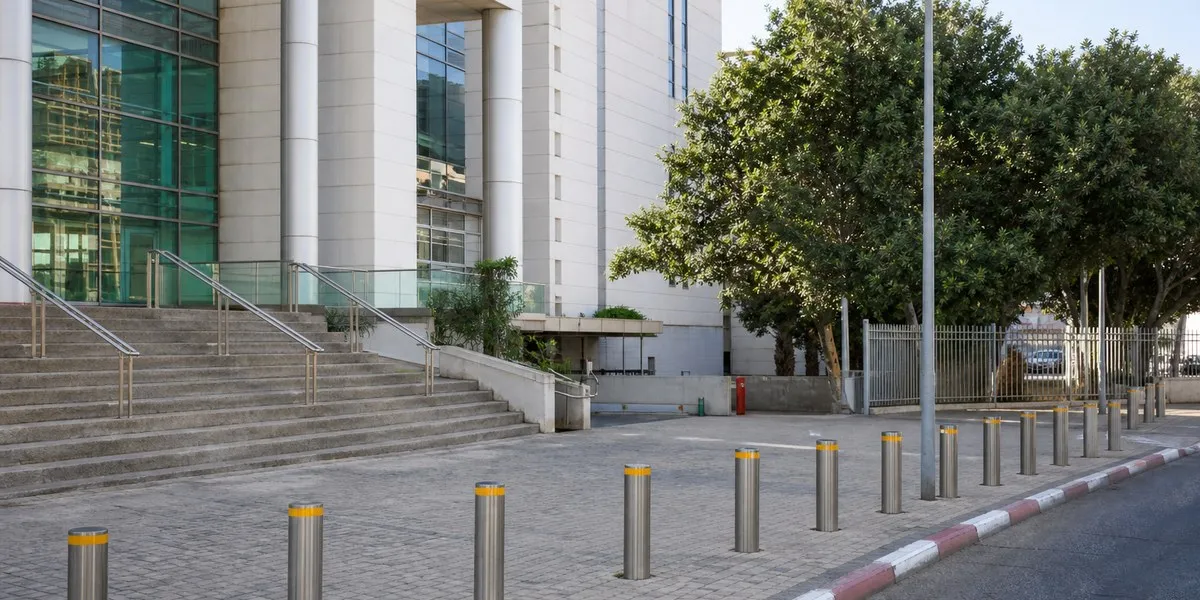
The Central District Court in Lod, Israel, sentenced Petah Tikva resident Alexander Granovsky to 13 years and six months in prison for carrying out paid assignments for an Iranian agent. The sentence, agreed upon by the prosecution and the defense, was approved by Judge Merav Greenberg, The Jerusalem Post reports.
Sentence and guilty plea
Granovsky pleaded guilty to contact with a foreign agent, providing information to an enemy, nine counts of arson, and several counts of property damage. He was also given suspended prison terms.
The prosecution said this was the harshest sentence in a series of cases against people whom, according to its information, Iranian agents recruited through social media. The sentence will be counted from the date of Granovsky's arrest, December 15, 2024.
According to the indictment, from the end of November 2024, the man communicated on Telegram with a person acting on behalf of Iranian intelligence. At first, he wrote anti-Prime Minister of Israel Benjamin Netanyahu graffiti in public places, and later set fire to nine cars, following instructions on carrying out and documenting these actions.
More current news is available on the UA.News Telegram channel Telegram.
Assignments and payment
According to the indictment, Granovsky photographed the area around the residence of Blue and White faction leader Benny Gantz, as well as the smokestacks of the Reading power station in Tel Aviv, and sent the images to his handler. At the handler's request, he went to a power station in Hadera, but did not take the requested photos, citing security at the facility and demanding greater compensation.
He received part of the payments for the assignments into a digital wallet, the prosecution claims. According to the investigation, Granovsky also purchased an Israel Defense Forces uniform and provided information on two people with criminal records. He told his handler that he would not kill or injure people.
The defense noted that the defendant acted for money rather than ideological motives, citing his drug addiction and mental difficulties. The judge took into account his guilty plea and acceptance of responsibility, but stressed that a financial motive does not reduce the gravity of actions that endangered public and state security.


