
Israel challenges permission for parties to track voter turnout
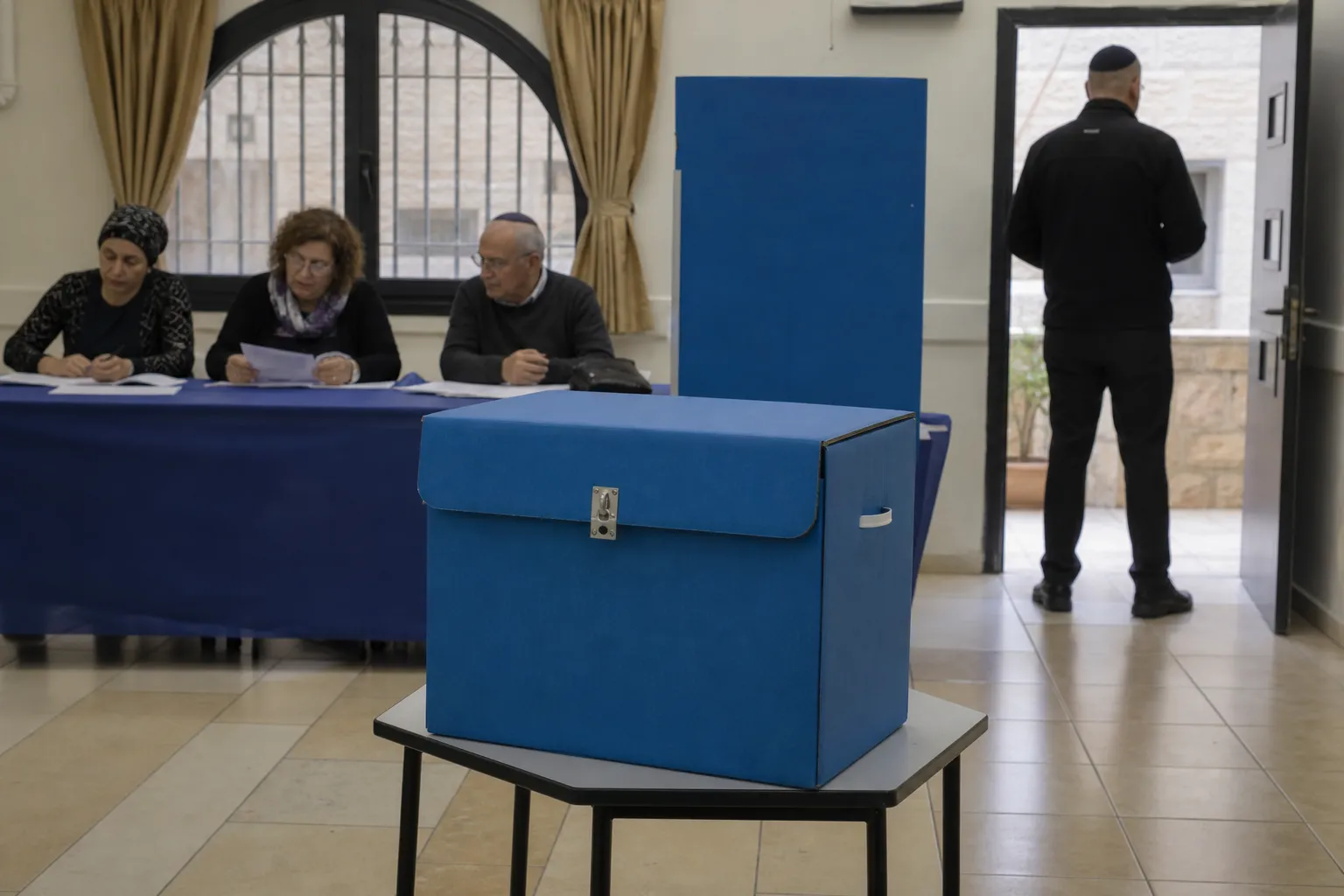
In Israel, two new petitions have been filed with the High Court of Justice demanding the cancellation of a Central Election Committee decision that allows political parties to track in real time whether identified voters have cast their ballots. The case will be heard on Wednesday ahead of the elections scheduled for October 27, The Jerusalem Post reports.
The data available to parties do not reveal whom a person voted for, as the choice remains secret. They show only whether a specific voter took part in the voting. Parties can match this information with their databases and direct calls, messages, visits or transportation assistance to likely supporters who have not yet come to polling stations.
Petitions to the court
One petition was filed by attorney Shahar Ben-Meir, whose original complaint led to the previous ban on this practice. The other was filed by the Reservists party and its chairman, former Communications Minister Yoaz Hendel. Both petitioners ask the court to overturn the committee's Sunday decision and reinstate the ban introduced on August 4 by Central Election Committee chair and Supreme Court Deputy President Noam Solberg.
More current news is available on the UA.News Telegram channel Telegram.
Ben-Meir argues that the committee went beyond an arrangement approved by the High Court last week. According to his version, after his appeal was rejected, Likud attorney Ilan Bombach proposed new conditions under which the transfer of information could be permitted. The petitioner notes that this proposal was not included on the agenda, was not circulated in advance and was not considered during the prior discussion. The court has not yet ruled on these claims.
Terms of the committee's decision
On Sunday, the full Central Election Committee, by 19 votes to 11 with three abstentions, revoked Solberg's previous ban. The decision permits the transfer of information only from regular polling stations. Parties are prohibited from recording the time a specific person votes, using the data for purposes other than encouraging turnout, transferring it to other parties or external entities, or retaining it after the elections.
Ben-Meir believes these restrictions do not eliminate the privacy issue because the information is collected and taken outside the polling station. The Reservists party also says the decision gives an advantage to established political forces. Factions represented in the outgoing Knesset appoint members of polling station committees and have broader access to voter information. New parties may send observers but, according to the petition, must independently finance their presence at polling stations.


