
Netanyahu’s trial resumes in Israel
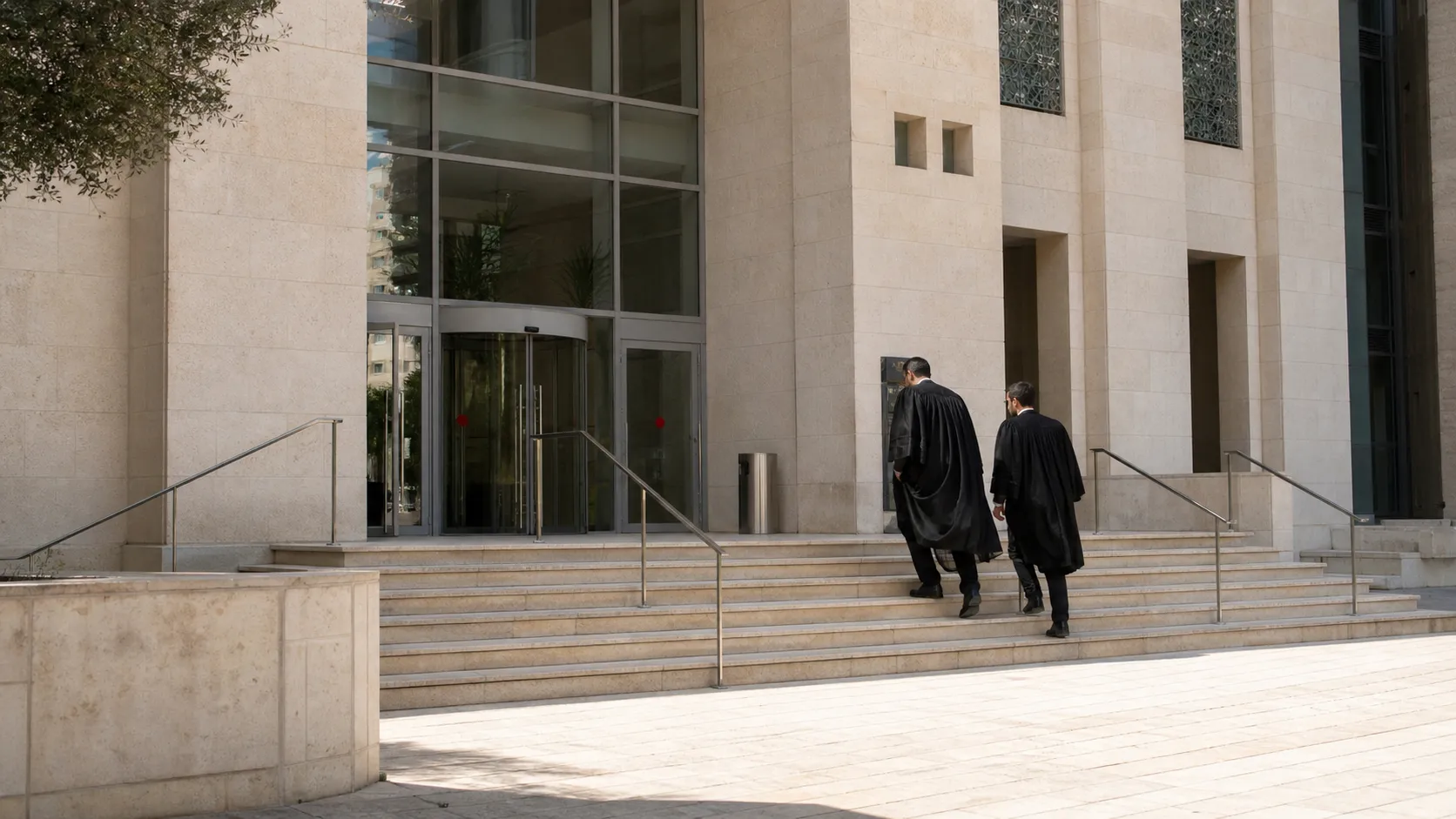
In Jerusalem, Israel, the criminal trial of Prime Minister Benjamin Netanyahu resumed after the summer recess. A new phase of presenting the defense’s evidence has begun, during which the remaining witnesses for Netanyahu and three other defendants are expected to testify. As The Jerusalem Post reports, Sunday’s hearing was devoted primarily to agreeing on the schedule for calling witnesses rather than considering new evidence.
Schedule of defense witnesses
Netanyahu completed his own testimony in June after 98 hearing days spanning a year and a half. Four hearing days are scheduled for this week. On Monday, the cross-examination of Knesset member Zeev Elkin is due to continue. On the same day, Ronit Mandelbaum may testify if necessary, while police officer Shmuel Sharvit is expected to testify on Tuesday and Wednesday.
The defense asked the court to issue subpoenas to Mandelbaum and Sharvit. Their testimony is expected to form part of the defense’s arguments concerning the conduct of the investigations and whether evidence was obtained lawfully and properly. The proceedings have also returned to the Jerusalem District Court: Netanyahu’s testimony had previously been heard in the Tel Aviv District Court building under special security measures.
Charges in Case 4000
The key unresolved issue remains the bribery charge in Case 4000, known as the Bezeq-Walla case. After Netanyahu’s testimony ended, the judges told the parties that they had not changed the assessment expressed in June 2023: they still see difficulties in proving bribery and believe that the prosecution should consider withdrawing this count. This was not a court order: the prosecution has not withdrawn the charge, and the indictment has not been amended.
More current news is available on the UA.News Telegram channel Telegram.
The prosecution alleges that Netanyahu, while serving as prime minister and communications minister, advanced regulatory decisions in favor of Bezeq and its then controlling shareholder Shaul Elovitch. In return, according to the prosecution’s version, Netanyahu and his family received unusually favorable and prompt coverage on the Walla website, which was also controlled by Elovitch. Netanyahu and the Elovitches deny the existence of such an arrangement.
Even if the bribery charge is withdrawn, Case 4000 will not be closed: Netanyahu will still face charges of fraud and breach of trust in this episode. The same charges have also been brought in Cases 1000 and 2000. Case 1000 concerns gifts, including cigars and champagne, which Netanyahu and his wife Sara allegedly received from wealthy businessmen, primarily Arnon Milchan.
The judges are urging the parties to shorten their witness lists and speed up the trial, which began in May 2020. From October 4, hearings are planned to be held five days a week, from Sunday through Thursday. After the defense witnesses finish testifying, the parties will submit closing arguments, after which the panel of judges will issue a verdict on the charges that remain in force.


