
Scientists propose recognizing toxoplasmosis as a neglected tropical disease
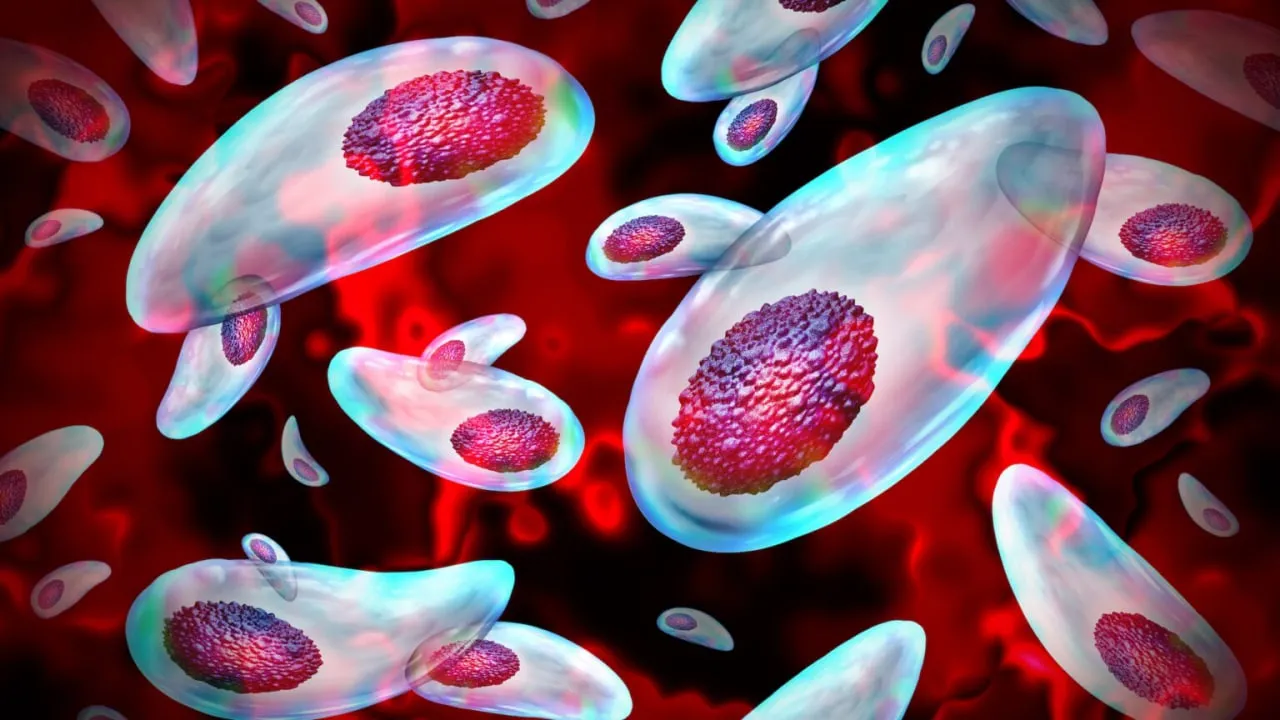
Scientists have stated that toxoplasmosis may pose a much more serious health threat than previously thought. According to a new study, this parasitic infection—which can be transmitted by cats and contaminated food—meets the World Health Organization’s criteria for “neglected” tropical diseases.
Researchers are calling for a reassessment of toxoplasmosis’s status and for greater attention to be paid to studying the disease, its spread, and its consequences for humans.
The infection is caused by the parasite Toxoplasma gondii. Researchers estimate that approximately one-third of the world’s population may be infected with it. In most healthy people, toxoplasmosis causes no symptoms or only mild discomfort.
At the same time, the infection poses serious risks to pregnant women, unborn children, and people with weakened immune systems. The infection also poses a danger to the eyes. The parasite sometimes migrates to the retina, causing inflammation. Ocular toxoplasmosis is one of the leading causes of retinal infections. Without timely treatment, the disease can lead to vision loss.
The study’s authors emphasize that toxoplasmosis meets one of the WHO’s key criteria for neglected tropical diseases—it disproportionately affects populations living in poverty.
The disease particularly affects poorer communities and is prevalent in tropical and subtropical regions. While the disease can be controlled, it remains underfunded in terms of research and public health measures.
According to scientists’ estimates, approximately 190,000 children are born with congenital toxoplasmosis each year. The greatest burden of the disease falls on countries in South America, as well as certain regions of the Middle East and low-income countries.
Currently, there is no approved human vaccine against toxoplasmosis, and diagnostic and treatment methods require further improvement.
The authors believe that officially recognizing toxoplasmosis as a neglected tropical disease would help attract more funding, improve monitoring systems, and strengthen prevention programs.
The researchers emphasize that this is not about spreading panic, but rather about the need to raise awareness, strengthen prevention methods, and give toxoplasmosis more attention on a global level.
Background: Toxoplasma gondii is a single-celled parasite (protozoan) that causes the infectious disease toxoplasmosis. Humans can become infected by consuming raw or undercooked meat, as well as through water or fresh produce contaminated with the parasite’s oocysts, which are excreted by cats.
In most healthy people, the infection may be asymptomatic or present with mild symptoms. However, infection during pregnancy—especially a primary infection—can pose a serious risk to the fetus and lead to neurological or visual impairments in the child. The parasite can also affect the eyes and pose a risk to people with weakened immune systems.
Source: PLOS Neglected Tropical Diseases
A deadly strain of avian influenza has been detected in New Zealand for the first time.
As a reminder, the dangerous H5N1 virus was detected for the first time in a wild seabird in Australia.
In Italy, the H9N2 avian flu virus was detected in a human for the first time in Europe.
As a reminder, the new H5N1 bird flu is spreading in Germany: should we expect an epidemic?
Additionally, Spain is imposing restrictions on poultry farms due to avian influenza.




