
UK to resume resettlement, prioritizing Afghan women and Palestinian refugees — The Guardian
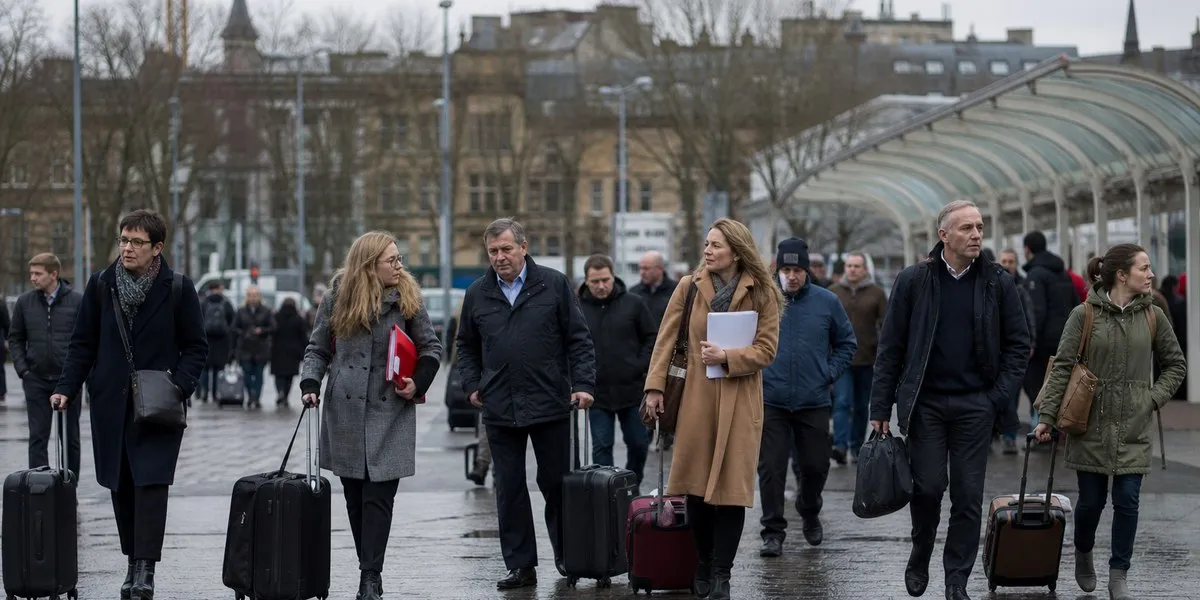
UK Home Secretary Shabana Mahmood is expected to announce the resumption of the British refugee resettlement programme. Under the scheme, priority will be given to Afghan women and girls, as well as Palestinian refugees, The Guardian reports.
Quotas and checks
The Home Office expects that approximately one in four people arriving under the scheme will belong to these groups. The number of places will be limited by annual quotas. According to departmental sources, the programme is planned to begin with hundreds of people and later expand to several thousand if the level of illegal migration declines.
Potential participants will undergo security and criminal-record checks. Refugees for participation in the programme will be identified by the UN Refugee Agency and the International Refugee Assistance Project. Priority will also be given to people with disabilities and vulnerable women and girls.
Participants will be granted indefinite leave to remain in the UK. According to the publication, this provides a five-year route to permanent status, unlike the rules for people who arrived via irregular routes, including in small boats across the English Channel. Mahmood previously announced that the status of such refugees would be reviewed every 30 months over a period of up to 20 years, with the possibility of return to their countries of origin if they are deemed safe.
More current news is available on the UA.News Telegram channel Telegram.
Other resettlement routes
The programme stopped accepting new referrals in December 2024, although it was not formally closed. In the first half of 2026, nearly 300 people referred before its suspension arrived in the UK under the existing scheme.
From October, charities and non-profit organisations will be able to apply for sponsor status so that communities and universities can receive refugees. The first arrivals under this mechanism are expected in autumn 2027. In spring 2027, applications are due to open for sponsors of an employment route, under which companies will provide refugees with housing, integration support and assistance in finding work.
Refugee Council chief policy analyst Jon Featonby welcomed the creation of safe and legal routes but stressed that thousands of places, rather than hundreds, are needed for a real impact on the activities of smugglers. Madeleine Sumption, director of the Migration Observatory at the University of Oxford, said there is no reason to expect resettlement to have a significant impact on irregular arrivals.




