
NATO allies' refusal to support the U.S. in Iran is "very disappointing," says Rubio
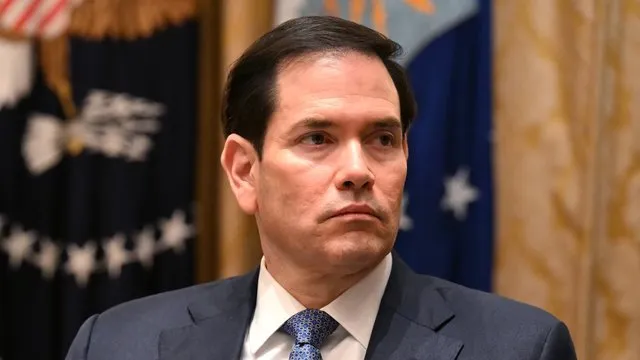
The United States found the behavior of its NATO allies, who refused to support a war with Iran, to be “very disappointing,” and Washington will reassess its relationship with the alliance once the military operation is over.
This was stated by Secretary of State Marco Rubio in an interview with the Qatari television channel Al Jazeera.
The channel’s correspondent asked Rubio whether he believed that EU and NATO countries had betrayed the U.S. at “this decisive moment.”
“I think it was very disappointing. And, I repeat, the president and our country need to review all of this after the operation is over. One of the reasons NATO is beneficial to the United States is access to bases in case of various scenarios,” Rubio replied.
He noted that “at a time of need,” when the U.S. identified a serious threat to national security and the country’s interests, Washington faced a situation where NATO members, particularly Spain, refused to allow the use of their bases.
“And there are other countries that have done the same,” Rubio added.
Then, he said, the question arises: “What is the United States’ interest here?”
“I have always supported NATO, and one of the reasons for that support is that access to bases gives us leverage and flexibility in military operations around the world. But if NATO is just about us defending Europe in the event of an attack, while we are denied access to bases when we need them, that’s not a very good deal. In this format, it’s hard to stay engaged and say that this is beneficial to the United States. So all of this will have to be reviewed. All of this will have to be reviewed,” he said.
U.S. Secretary of State Marco Rubio also stated that the U.S.’s primary military objectives in Iran could be achieved within the coming weeks.
Rubio noted divisions among Iran’s leadership.
Additionally, Israel has resumed bombing the southern suburbs of Beirut and continues airstrikes in southern Lebanon. One of the strikes hit an army checkpoint, killing a soldier.
Lebanese President Joseph Aoun also warned that any attempts to destabilize the country will be decisively stopped. The authorities are prepared to act decisively, including through arrests and the seizure of weapons. Aoun emphasized that no one in Lebanon wants a civil war, and those who try to take advantage of the situation will fail.
Iran has left the country without stable internet access for the second month in a row. The country’s authorities continue to block access to all social media platforms and many websites, leaving citizens with almost no online connectivity.
Today, the United Arab Emirates reported the successful interception of 27 drones and 11 ballistic missiles launched from Iran.
A military analyst warns that a possible U.S. attack on Kharg Island, Iran’s key oil hub, could result in serious losses. The expert believes that Iranian forces are ready to fight back, and diplomatic attempts to negotiate peace now appear premature. The island controls 90% of Tehran’s oil exports, and its defenses have been strengthened in recent weeks.
Iran has accused Israel of attacks on a desalination plant in Kuwait. In a statement, the Iranian military called Israel’s actions “brutal and despicable.”
Spain has banned U.S. military aircraft participating in strikes against Iran from using its airspace. The decision also applies to access to joint bases.
Northern Israel came under fresh fire from Iran and Hezbollah. Two people were wounded, one of whom is in serious condition. Several towns in the north of the country were hit.


