
Since 1979, Greenland and Antarctica have lost 11.3 trillion tonnes of ice — Asharq Al-Awsat
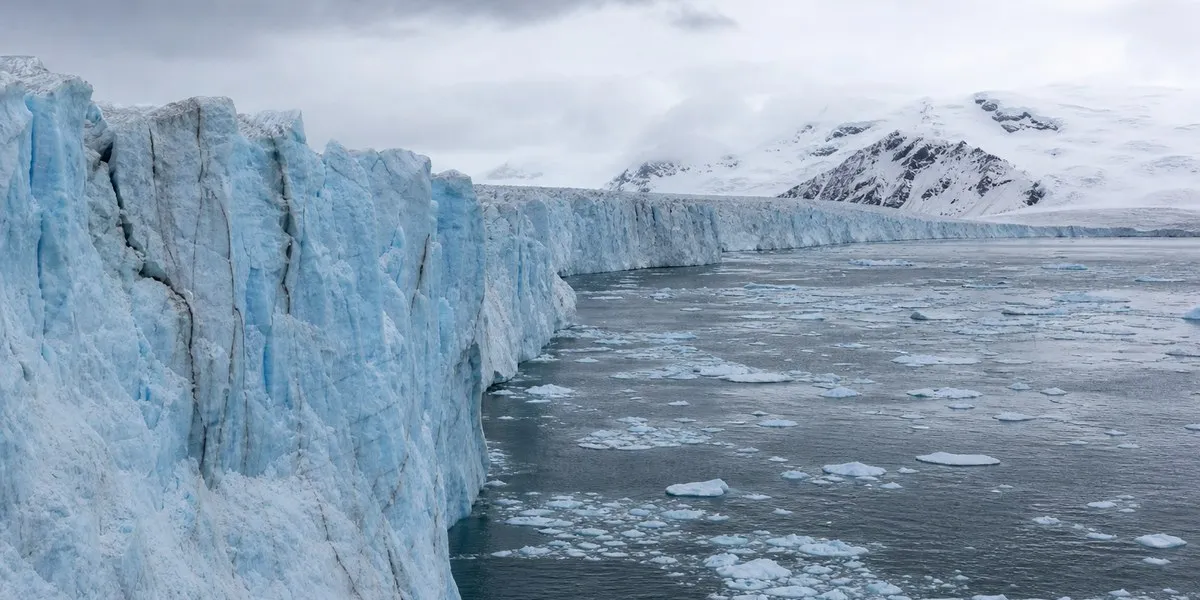
Since 1979, the ice sheets of Greenland and Antarctica have lost approximately 11.3 trillion metric tonnes of ice. This has raised the average global sea level by about 3.1 centimetres, according to a scientific study published in the journal Scientific Data, Asharq Al-Awsat reports.
Melting is accelerating
An international group of polar scientists, whose work was coordinated by the European Space Agency, used 45 independent observation datasets and data from 27 satellites. After incorporating NASA satellite data, researchers were able to track changes in ice volume in Antarctica from 1979 and in Greenland from 1972.
Study author and Northumbria University ice researcher Ines Otosaka said that in the 1970s, 1980s and early 1990s, the ice sheets were relatively stable. Later, ice mass losses began to increase, with the process becoming particularly noticeable in the 2010s. According to her, the trend is primarily evident in the increasing volume of ice entering the ocean.
More current news is available on the UA.News Telegram channel Telegram.
Impact of warm waters
According to the study, about five-sixths of ice loss is linked not to rising air temperatures but to warming water, which erodes the ice sheets from below and from the sides. Co-author Eric Rignot of the University of California, Irvine, said that rapid melting of polar ice raises sea levels and increases the vulnerability of coastal areas.
Otosaka estimated that every centimetre of sea-level rise means that an additional 2 million to 3 million people could experience flooding at least once a year. She also reported that Greenland's Jakobshavn Glacier is currently retreating at a rate of up to 50 metres per day.
In 2020–2023, the acceleration of ice loss appeared to have temporarily paused, according to the study. The authors attribute this to short-term weather fluctuations rather than a change in the long-term trend. In Antarctica, record snowfall in the eastern part of the continent offset part of the rapid melting of the less stable West Antarctic Ice Sheet.


