
Iran has been shelling Gulf countries since this morning — Al Jazeera
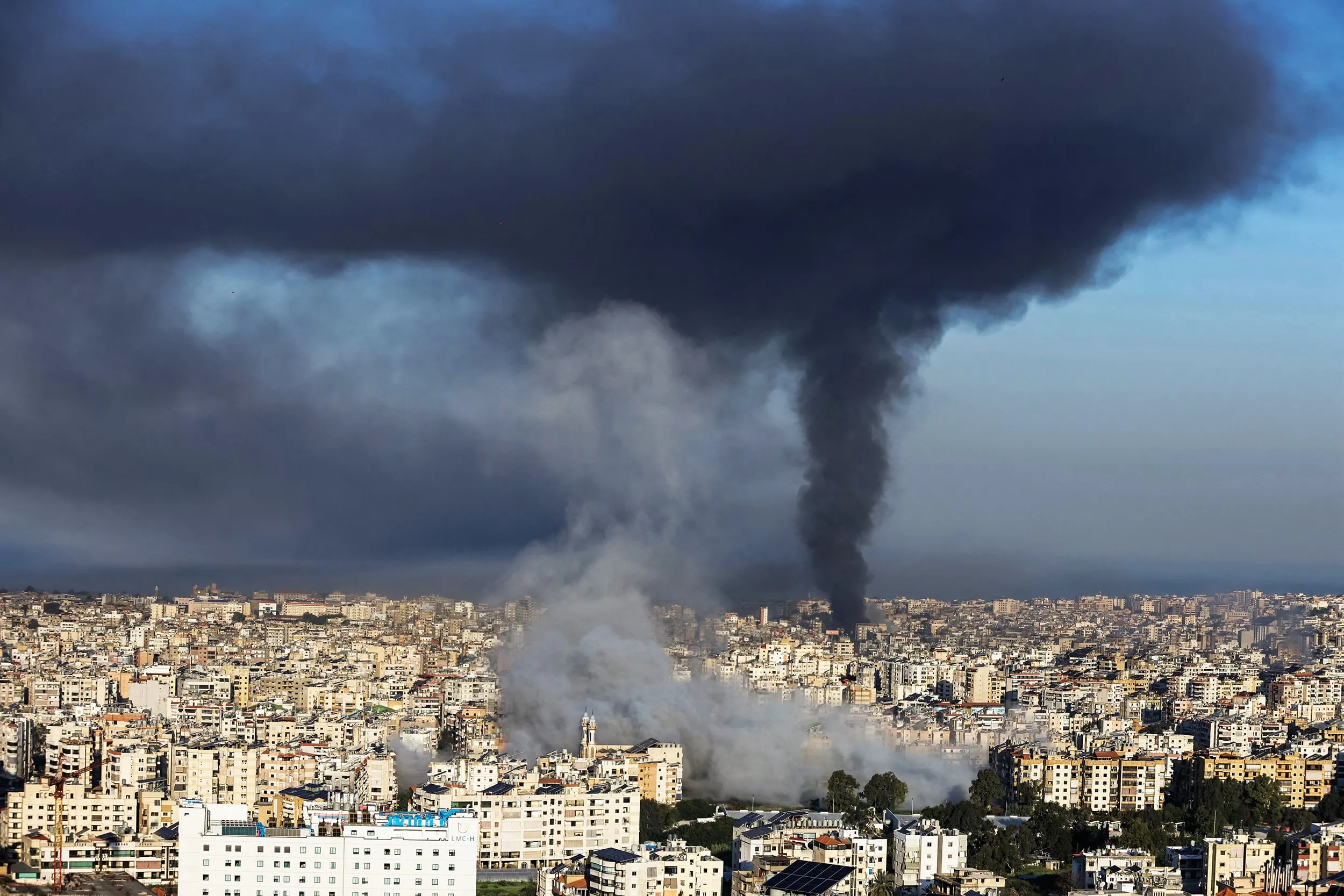
As of the evening of July 9, Iran continues to launch strikes against countries in the Persian Gulf in response to recent U.S. attacks. There are reports of missiles and drones being launched toward Jordan, Kuwait, Bahrain, and Qatar, though most of the aerial targets were intercepted.
Countries in the region claim they did not participate in the strikes against Iran, even though U.S. military bases are located on their territory. Tehran, for its part, cites this very fact as the reason for its attacks.
On the night of July 9, air raid sirens sounded in several Middle Eastern countries simultaneously. In Jordan, sirens were activated in various regions of the country after Iranian missiles entered its airspace. Earlier, the country’s authorities reported that all aerial targets had been successfully intercepted.
In Kuwait, the Ministry of Foreign Affairs reported that surveillance systems had detected three ballistic missiles, one cruise missile, and ten drones that morning. According to official reports, air defense forces successfully neutralized all threats. However, debris fell to the ground during the interception, resulting in one person being injured.
Similar incidents occurred in Bahrain and Qatar. At around 3:30 a.m. local time in Qatar, the threat level was sharply raised. Residents received urgent alerts on their cell phones about a possible threat. Shortly thereafter, authorities reported that the danger had been neutralized.
For residents of Qatar, this was the first such alert in the past few months. Iran justifies its strikes by citing the presence of U.S. military bases on the territory of these countries. Tehran believes that the Persian Gulf states support U.S. military operations against Iran precisely because of the presence of American forces.
However, the governments of the region’s countries categorically deny this. In particular, Qatari authorities emphasized that the U.S. military bases operating within the country did not participate in the attacks on Iran. “None of the military bases on Qatari territory were used to strike Iran,” Qatari officials stated.
Doha also once again called on all parties to return to negotiations and prevent the conflict from escalating further. Despite this, the situation in the region remains tense. Gulf countries continue to tighten security measures, and the military is closely monitoring the airspace due to the risk of new attacks, according to Al Jazeera.
As of the evening of July 9, oil tanker traffic through the Strait of Hormuz had nearly come to a standstill. This was caused by new U.S. strikes against Iran, Tehran’s response, and a sharp increase in risks to shipping in the region.
On Thursday, July 9, Iran stated that it had fired ten ballistic missiles at a U.S. military base in Jordan. Meanwhile, Jordanian authorities reported that all missiles were intercepted, and there were no reports of damage or casualties.
Despite this new round of conflict in the Middle East, Iran maintains that it has not abandoned diplomacy and is attempting to restore relations with the Gulf states. Officials in Tehran claim that the U.S. and the West have mistakenly interpreted their willingness to negotiate as a sign of weakness.
Overnight, Iran exported at least 10 million barrels of crude oil and fuel oil. According to analysts, Tehran may have acted quickly out of concern that the U.S. would soon tighten its control over shipping in the region again.
Iran reported the deaths of three Islamic Revolutionary Guard Corps soldiers following new U.S. strikes. Despite declarations of a ceasefire, the sides continue to exchange attacks, and the situation in the Middle East remains tense.
The United States has announced a large-scale military operation against Iran. Over the past two days, U.S. forces have struck more than 170 military targets located near the Strait of Hormuz. Officials in Washington say the main goal of the operation is to weaken Iran’s ability to attack international shipping.
Despite declarations of a ceasefire, the situation in the Middle East has escalated again. On Wednesday night, the U.S. and Iran exchanged new strikes, and Jordan announced that it had intercepted Iranian missiles over its territory. Meanwhile, in Iran, the funeral for former Supreme Leader Ali Khamenei continues amid ongoing hostilities.




