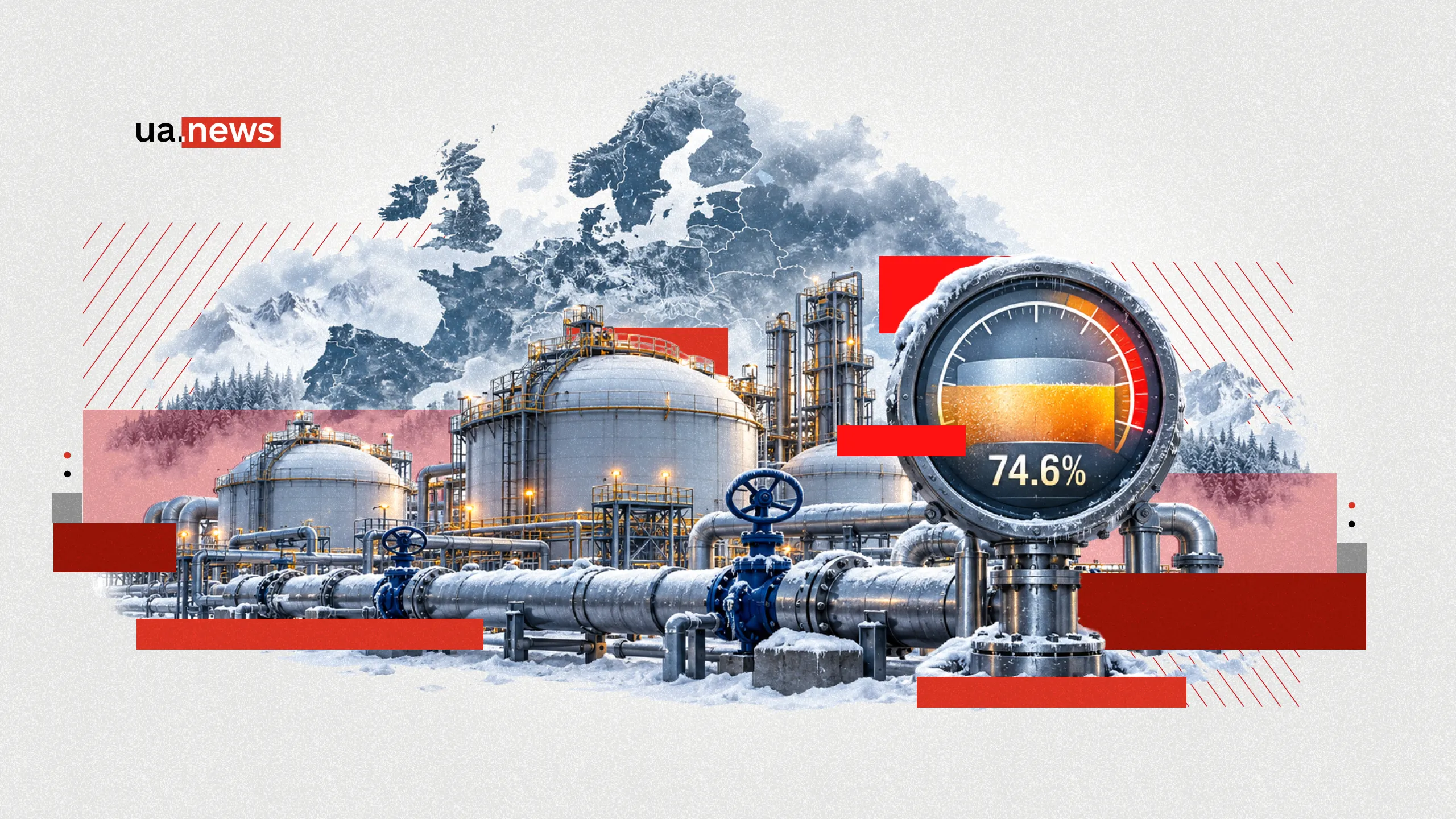
Europe is entering the heating season with lower natural gas reserves than a year ago and has less room to maneuver in the event of a sudden cold snap or supply disruptions. As of October 21, the European Union’s underground gas storage facilities were 74.62% full. This amounts to approximately 845 terawatt-hours of gas, according to Gas Infrastructure Europe. In early October, the storage level stood at about 72%, compared to 83% during the same period last year.
Lower reserves do not mean that Europe is already facing a gas shortage or inevitable disruptions to heating. The EU has an extensive gas transmission network, access to liquefied natural gas (LNG), and the ability to increase imports depending on market conditions.
At the same time, the availability of additional supplies depends on the weather, prices, and competition from Asian buyers. If the winter is cold and LNG supplies are limited, the strain on the European energy market could increase significantly.
UA.News explains why Europe is starting the heating season with lower gas reserves, to what extent this threatens the region’s energy security, and how the situation could affect prices for businesses and households.
Why Are Gas Reserves in Europe Lower Than Last Year?

Gas storage facilities are traditionally filled during the warmer months, when consumption is typically lower, and the stored gas is used in the winter to meet demand. However, this year’s injection season proved more challenging, and European countries entered the heating season with lower reserves.
According to the European Network of Transmission System Operators for Gas (ENTSOG), as of October 1, 2026, EU storage facilities were approximately 72% full, or 74 billion cubic meters of gas. A year earlier, on the same date, the figure stood at about 83%, or 85 billion cubic meters. Thus, the difference between the two seasons at the beginning of October reached approximately 11 percentage points.
Several factors are influencing the situation. Gas prices across different seasons, traders’ commercial decisions, the availability of supplies, and the overall situation on the global energy market all play an important role. If the expected difference between summer and winter prices does not provide a sufficient incentive to inject gas, it may be less profitable for companies to stockpile large volumes in advance.
Europe is also operating under a changing supply structure following a reduction in its dependence on Russian pipeline gas. Imports from Norway, liquefied natural gas (LNG) supplies, and purchases on the global market have become significantly more important. Such diversification makes it possible to source gas from various sources, but at the same time increases dependence on international competition for available volumes.
A report by Gas Infrastructure Europe dated October 9 notes that Europe is entering the winter with historically low inventory levels and less ability to offset adverse changes in demand or supply. The organization emphasizes the importance of continuing to inject gas at the start of the heating season, if market conditions permit.
Does Europe Have Enough Gas to Get Through the Winter?

Storage fill levels are an important indicator, but they do not reflect the full picture of supply. European countries receive gas not only from underground storage facilities: pipeline imports, LNG, and domestic production play a significant role. Therefore, it would be incorrect to assess the risk of a shortage based solely on the percentage of storage facilities filled.
After assessing winter preparations, the European Commission stated that the EU’s gas system remains flexible enough to meet demand under various scenarios. In a statement dated October 8, the European Commission emphasized that increased LNG imports could partially offset lower initial storage levels. At the same time, the Commission stressed the need to monitor storage levels throughout the season, especially as it nears its end.
Underground storage facilities are important not only because of the volume of gas they hold. They enable a rapid response to short-term spikes in consumption, such as during severe cold spells, when demand for heating rises faster than additional supplies can be ramped up. That is why, even with sufficient LNG supplies, the ability to quickly withdraw gas from storage facilities remains critical.
According to ENTSOG, during the winter of 2025/2026, underground storage facilities accounted for approximately 26% of gas consumption in the EU. In the winter of 2024/2025, this figure was about 30%. This demonstrates that reserves are one of the key elements of the energy system, even though they are not the sole source of supply.
Therefore, a lower initial stock level does not automatically mean a repeat of the 2022 energy crisis. Europe has expanded its LNG import capacity, diversified its supply sources, and reduced gas consumption compared to previous years. However, a smaller safety margin means that an unfavorable combination of circumstances could more quickly lead to rising prices and the need to curb demand.
Why Liquefied Natural Gas Has Become Especially Important
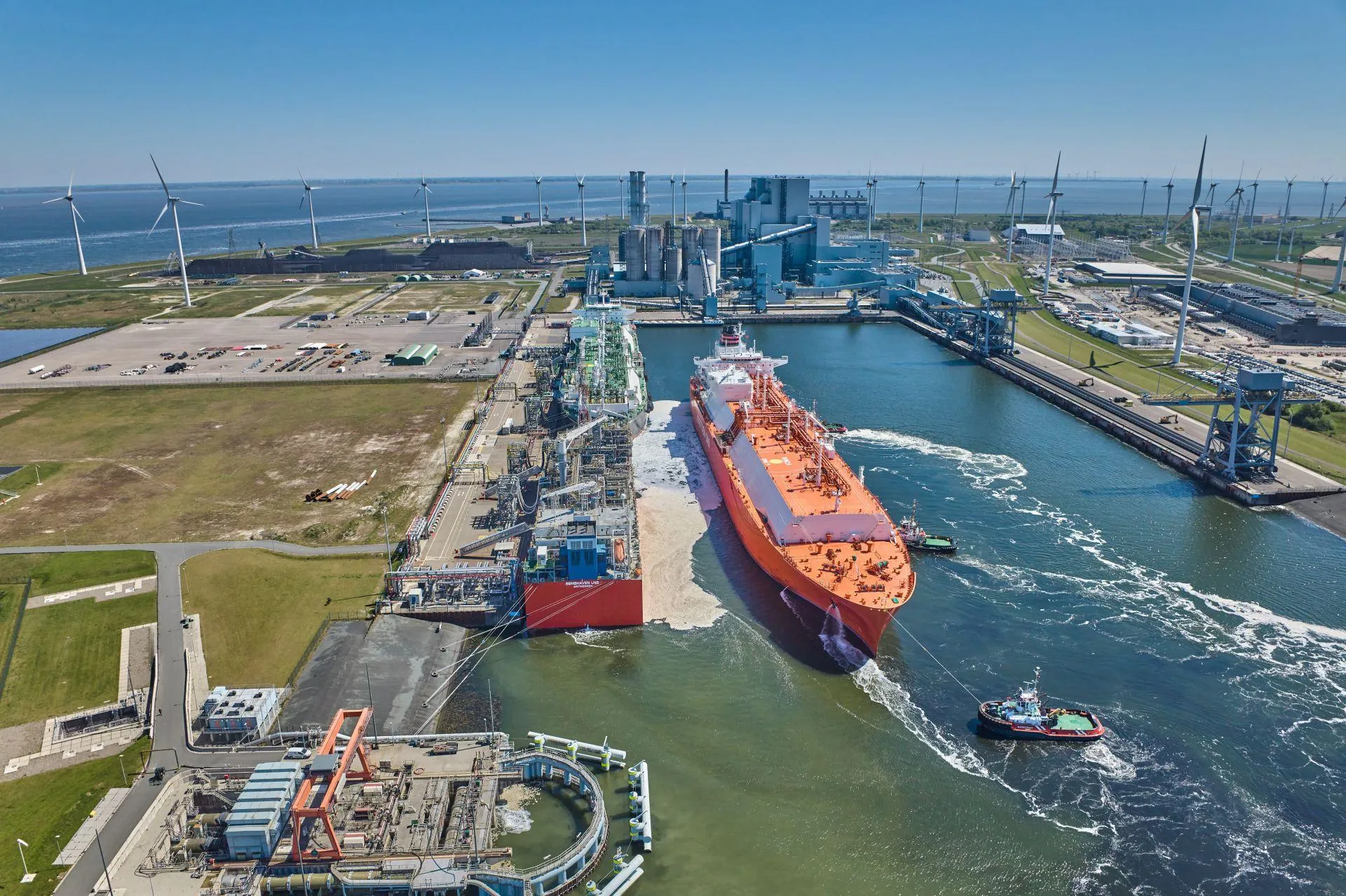
Liquefied natural gas remains one of the main tools for balancing the European market. LNG is transported by sea in specialized tankers, after which it is converted back to a gaseous state at terminals and fed into the gas transmission network. This mechanism allows for the procurement of resources from various countries and reduces dependence on individual pipeline routes.
According to Gas Infrastructure Europe, Europe’s LNG regasification capacity stands at approximately 145 billion cubic meters for the winter season. This is a significant resource that allows for increased imports when cargoes are available. In a scenario with sufficient LNG supply, liquefied natural gas could account for about 40% of total supply, while Norway accounts for approximately 27%.
However, terminal capacity does not equal the guaranteed volume of supplies. Even if Europe is technically capable of receiving more LNG, it must compete for tankers with other importers, primarily in Asia. If Asian buyers are willing to pay more or global supply shrinks, some shipments may be redirected to other markets.
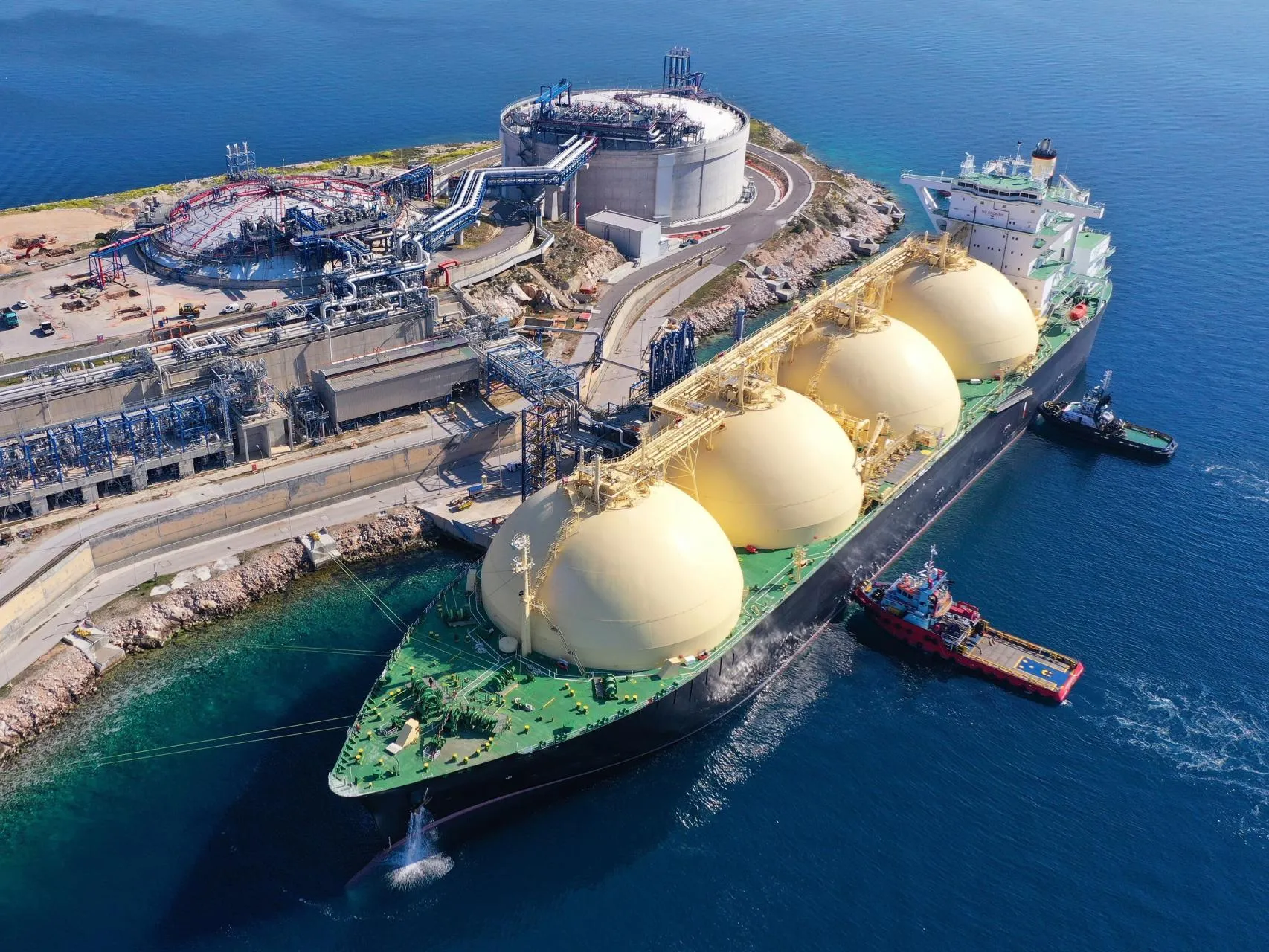
The situation in the Middle East creates additional uncertainty. According to a Reuters report from October 22, the conflict in the region and disruptions to exports from Qatar and the United Arab Emirates are affecting global LNG supply. At the same time, Asian demand for liquefied natural gas is rising, intensifying competition for available supplies.
For Europe, this means that replenishing stocks may be more expensive than under conditions of a stable global market. If supplies from the Middle East remain limited and demand in Asia remains high, European buyers will have to compete for a smaller number of available cargoes. This situation could exacerbate price volatility even without a physical gas shortage in the European system.
Can Russia Take Advantage of the Gas Shortage in Europe?
Following Russia’s full-scale invasion of Ukraine, the European Union began systematically reducing its dependence on Russian gas. EU countries have increased their purchases of liquefied natural gas (LNG), expanded their infrastructure for receiving it, and are making greater use of supplies from Norway and other partners.
However, the shift away from Russian gas is happening gradually, and the market situation depends not only on political decisions but also on the availability of alternative sources.
Russian gas may continue to influence the European market through pipeline routes that remain in operation and through Russian LNG supplies. At the same time, the EU is moving toward a complete halt to Russian gas imports in accordance with its approved policy of phasing out Russian energy resources.
Therefore, Moscow’s ability to increase its role in the European market is limited not only by the availability of surplus gas volumes but also by the EU’s political decisions and regulatory requirements.
Low inventories may intensify competition for available gas volumes, but this does not mean that Europe will automatically return to large-scale purchases from Russia. If demand rises, European buyers will first and foremost assess the availability of LNG, pipeline supplies from other providers, and the cost of each option. Russia may benefit indirectly from rising gas prices on global markets, but its ability to exploit the situation to regain its former influence will depend on sanctions, EU regulations, and further reductions in energy dependence on Moscow.
What Will Happen to Gas Prices This Winter
Lower inventories make the European market more sensitive to weather conditions and news about supplies. If the winter is mild, demand for heating may remain moderate, and LNG and pipeline supplies could meet consumer needs. If, however, temperatures are lower than forecast, Europe will have to deplete its reserves more quickly and secure additional gas supplies.
In that case, prices could rise due to a simultaneous increase in demand and competition for available supplies. Price fluctuations could be particularly sharp during prolonged cold spells, when gas demand rises simultaneously in many countries and additional LNG shipments cannot be delivered immediately.
An October Reuters article on the European gas market noted that the region is bracing for another year of elevated prices amid low inventories and disruptions in global supply. The impact on end consumers will depend on contract terms, national pricing mechanisms, and how long the strain on the wholesale market persists.
For industry, a prolonged rise in gas prices could mean higher production costs. The most vulnerable remain companies that use natural gas as a fuel or raw material, particularly the chemical industry, fertilizer production, glass manufacturing, and certain metallurgical processes. If costs rise, companies will have to either raise product prices, cut back on production, or look for ways to save energy.
For households, the impact will be less uniform. Some consumers will feel the changes due to rate or contract adjustments, while others may be protected by fixed prices or government support mechanisms. Therefore, rising wholesale prices do not mean that heating bills in all countries will immediately increase by the same amount.
Under what scenarios might Europe face a shortage?
The greatest risks will arise if several adverse factors coincide: a cold winter, limited LNG supplies, and disruptions on specific supply routes. In such a case, even a well-developed gas transmission system may face difficulties in meeting peak demand, especially in regions with limited access to maritime terminals.
In its forecast for the 2026/2027 winter season, ENTSOG models various scenarios for LNG demand and availability. In cold-winter scenarios, the need to reduce consumption or potentially unmet demand could amount to approximately 7% under a more favorable LNG supply scenario and about 12% under limited LNG availability. In these scenarios, inventory levels could drop to approximately 11% by the end of winter.
These are the results of modeling under specific conditions, which show how heavily the situation will depend on temperature, imports, and resource availability. They do not mean that consumers will necessarily face gas cuts: if necessary, countries can respond to the situation by increasing imports, utilizing available reserves, and implementing demand-reduction measures.
At the same time, the scenarios demonstrate that room for maneuver may narrow by the end of winter, when reserves will already be significantly lower. If reserves are depleted faster than expected, this will complicate not only getting through the heating season but also preparations for next year.
Why It’s Important to Start Thinking About Next Winter Now
Europe’s gas security depends not only on whether there will be enough gas to last until March 2027. It is also important to consider the level of reserves countries will have at the end of the heating season and how much time and money will be needed to refill storage facilities in the summer.
According to Gas Infrastructure Europe’s assessment, under a scenario of normal winter demand and sufficient LNG availability, Europe could return to a 90% storage fill rate by the end of September 2027. However, if LNG supplies are limited, this may not be enough: in that scenario, storage levels by the end of September would be around 65%.
This means that a harsh winter could create problems not only for the current season but also for the next storage cycle. If countries have to use up a significant portion of their reserves, they will compete for additional gas volumes in the summer, at a time when global demand and prices may remain high.
European institutions therefore emphasize the need to constantly monitor storage levels, maintain stable LNG supplies, and utilize interconnections between national gas systems. For countries in Central and Eastern Europe, access to import routes, the ability to transport gas between countries, and coordination of actions in the event of emergencies remain particularly important.