
Port MacDonnell residents concerned about bird droppings amid avian flu
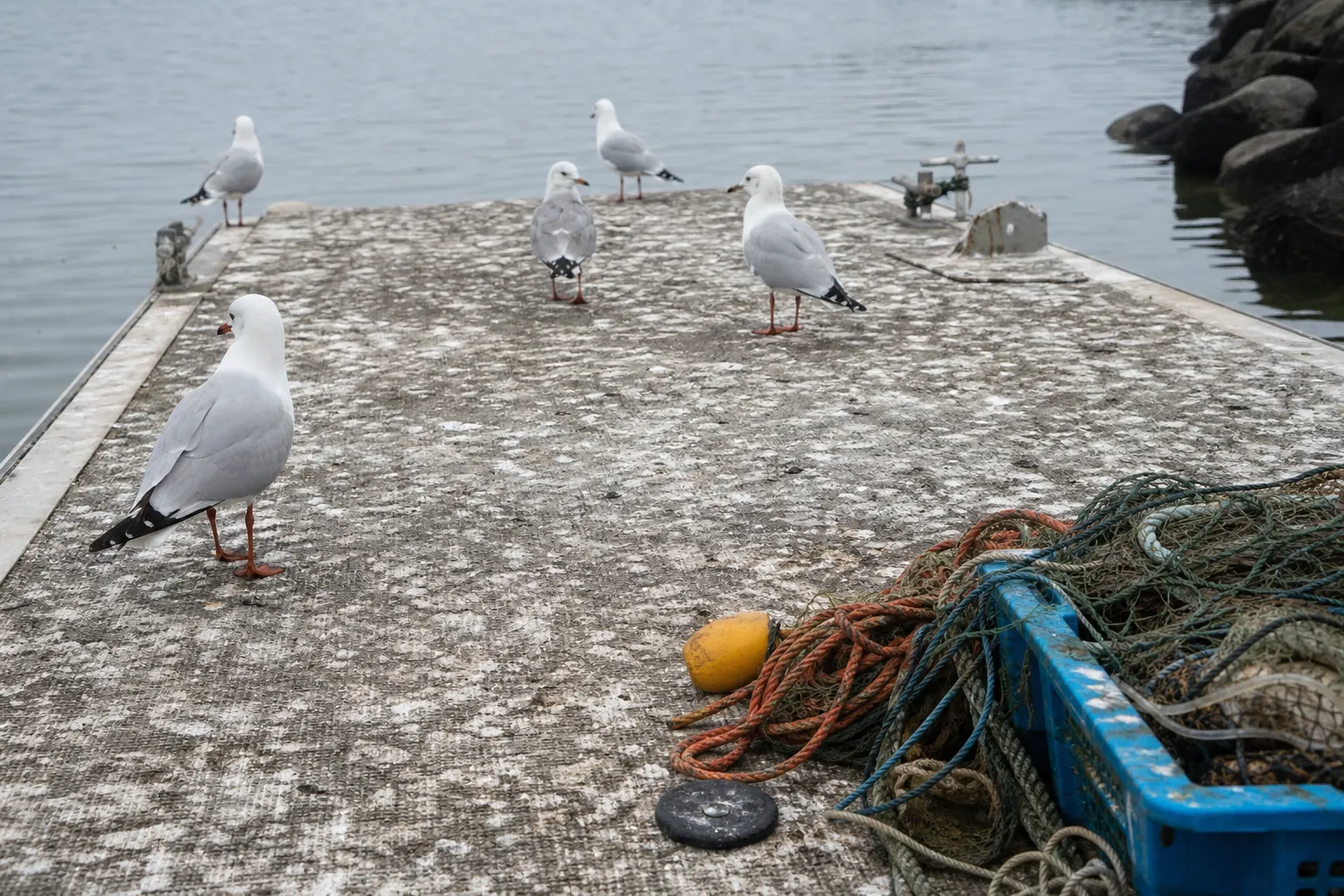
Residents of the coastal town of Port MacDonnell in South Australia have expressed concern about bird droppings on the local pontoon and the possible contamination of rainwater collected in household tanks. The concerns have intensified amid the spread of avian flu, although the state health service, SA Health, assesses the risk to people as low.
As reported by ABC News Australia, about 80 people attended an information meeting on avian flu at the local community complex. Participants asked, among other things, for clarification of the risks if droppings from roofs enter untreated rainwater.
Pontoon and fish-cleaning station
Port MacDonnell Offshore Angling Club member Jennifer Cleary said she was concerned about the condition of the pontoon, where local residents fish every day. She also drew attention to the cleanliness of the open fish-cleaning station and noted that people, including those with children and dogs, often visit the pontoon.
More current news is available on the UA.News Telegram channel Telegram.
Club member Hilary Nicholson called for a plan for regular cleaning of public places where droppings accumulate. At the same time, South Australian government teams on the Limestone Coast are collecting and disposing of bird carcasses, but general cleaning of droppings is not part of avian flu response measures. Mayor Kylie Boston said the municipality continues its routine cleaning.
Assessment of risk to people
SA Health recommends collecting rainwater only in properly maintained tanks with well-maintained roofs and protecting them from small animals, including birds. The agency stressed that passing a sick or dead bird or its droppings without touching them poses no risk to people.
University of Adelaide epidemiologist Adrian Esterman said that for most people, the risk of infection is almost nonexistent if they have not come into contact with dead birds or infected animals. According to him, a small number of viral particles in a large volume of water becomes significantly diluted, while stomach acids can destroy viruses. He advised very elderly people or those with weakened immune systems to consider disinfecting their water supply.


