
Climate change is altering the geography of malaria risk in Africa
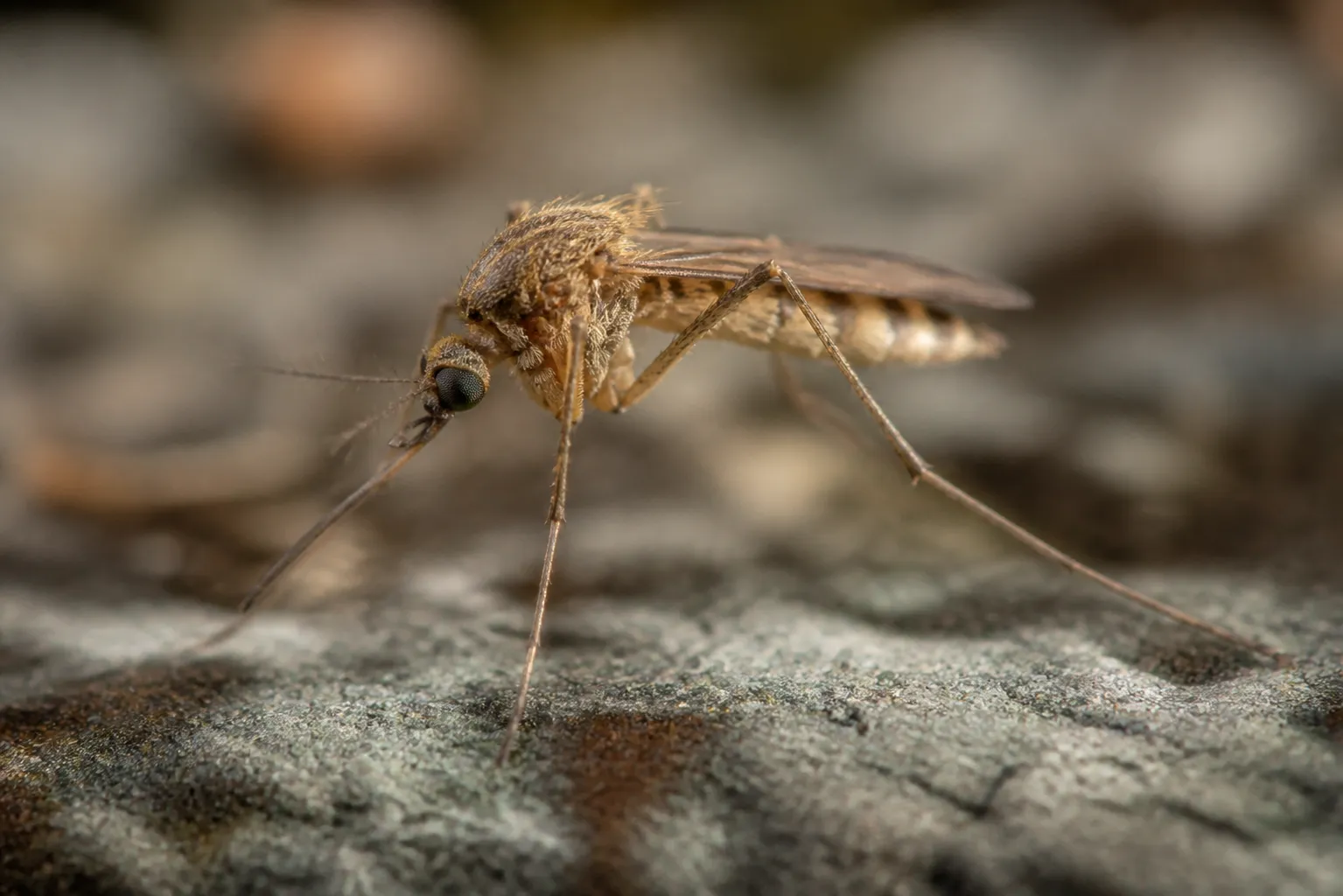
Rising temperatures are making parts of Southern Africa and the high-altitude regions of East Africa increasingly conducive to the spread of malaria. At the same time, certain parts of West Africa may become too hot for optimal transmission of the disease. Deutsche Welle reports this, citing a new study published in the journal Nature.
Malaria transmission via the bites of infected female Anopheles mosquitoes is most efficient at temperatures around 25°C. The likelihood of transmission decreases significantly when temperatures fall below 16°C or rise above 34°C. This is because the malaria parasite must complete part of its life cycle inside the mosquito, and this process is highly temperature-dependent.
Historically, the most favorable conditions for malaria transmission have been in the tropical regions of West and Central Africa. In contrast, some parts of Southern Africa and the highlands of East Africa have remained relatively cool, which has limited the spread of the disease. According to the study’s findings, global warming is altering this risk distribution.
Read more breaking news on the UA.News Telegram channel.
According to the World Health Organization, the African region accounts for about 95% of all malaria cases and deaths worldwide. The highest proportions of malaria deaths in the region are in Nigeria—31.9%, the Democratic Republic of the Congo—11.7%, and Niger—6.1%. About 76% of malaria deaths in the WHO African Region occur among children under the age of five.
Olugbenga Mokolu, a professor of pediatrics at the University of Ilorin in Nigeria, noted that climate is not the main factor in the spread of malaria. According to him, funding, resistance to drugs and insecticides, and the capacity of health care systems remain more important factors. He also emphasized that the decline in malaria suitability in parts of West Africa is not good news, as excessive heat poses a threat to human health.
In April 2025, the WHO warned that funding cuts threaten malaria control programs. More than half of the surveyed countries where the disease is endemic reported moderate or severe disruptions in the provision of relevant services. The WHO also recommends broader use of the RTS,S/AS01 vaccine for children in areas with moderate or high levels of malaria transmission caused by the Plasmodium falciparum parasite. A study published in The Lancet found that in pilot programs in Ghana, Kenya, and Malawi, this vaccine reduced all-cause mortality among eligible children by 13.2%.




