
Strengthening of the guarani reduced Paraguayan exporters’ revenues — The Rio Times
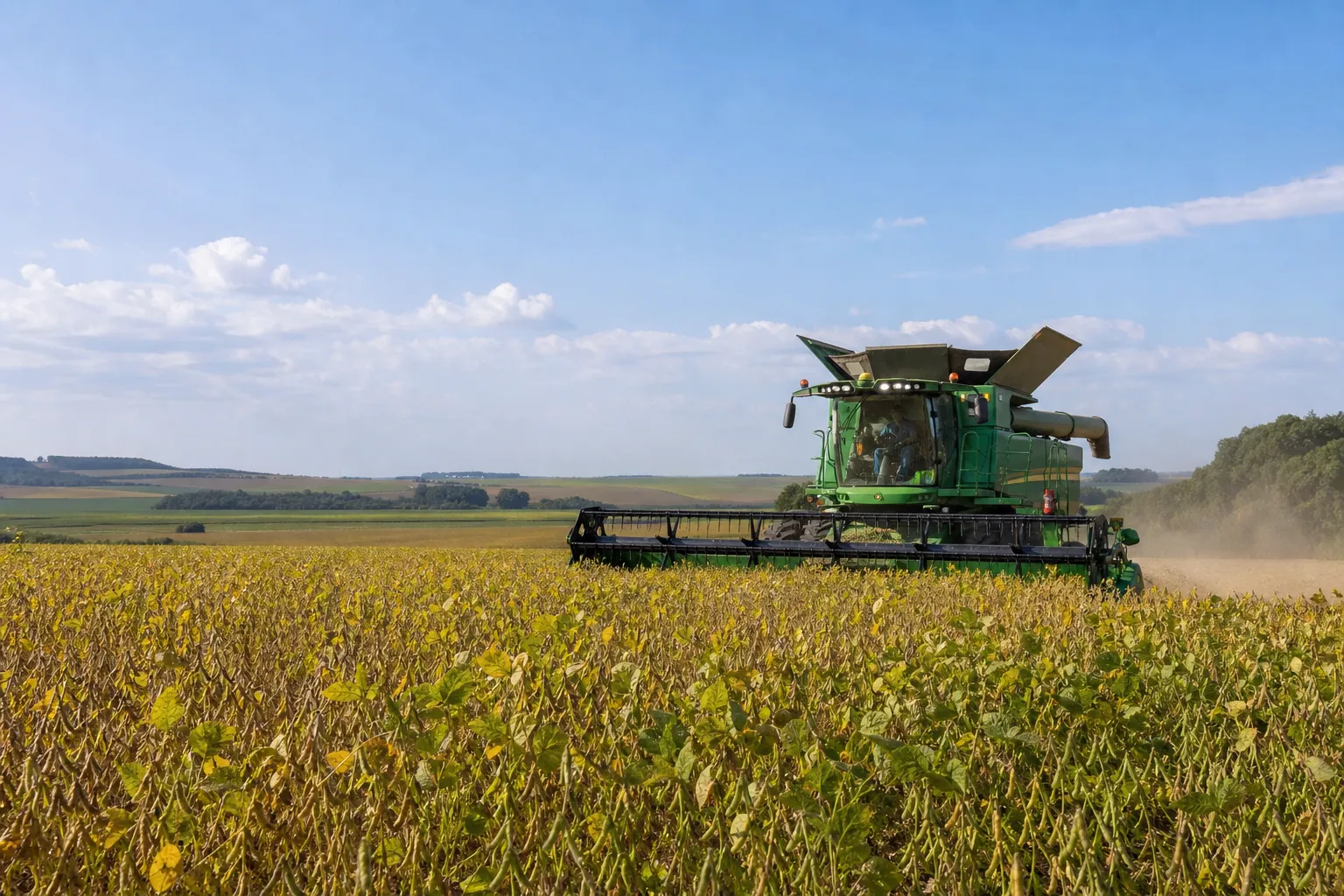
In Paraguay, the strengthening of the national currency, the guarani, reduced exporters’ revenues in local currency despite an increase in goods shipments abroad. According to The Rio Times, citing NewsDigitales, the country’s physical export volume rose by 27% this year. At the same time, the strengthening of the guarani offset a significant part of this increase for companies that receive payments in dollars.
At the end of August, the exchange rate stood at about 5,922 guarani per US dollar, the strongest level of Paraguay’s currency since 2018. Over the year, the guarani strengthened by approximately 24% against the dollar. When exporters convert foreign-currency proceeds into guarani, every dollar they receive brings them less money in the national currency.
Record soybean harvest
One reason for the strengthening of the guarani was a record soybean harvest, which increased dollar inflows into the country. By July, Paraguay had exported a record 6.83 million tonnes of soybeans, while the dollar value of soybean shipments increased by nearly 49%.
Exports of soybean meal brought in $1.42 billion during this period, while soybean oil generated another $390.7 million. Paraguay’s total exports reached $12.13 billion, up 25.2% from a year earlier. The country’s trade balance showed a surplus of $679.1 million, compared with a deficit recorded a year earlier.
More current news is available on the UA.News Telegram channel Telegram.
Annual inflation stood at 1.6% in July, below the central bank’s 3.5% target. The regulator largely allowed the exchange rate to move on its own and did not sell dollars to slow the guarani’s appreciation. Its reserves stood at $11.45 billion at the end of August.
Losses for beef exporters
Beef exporters were particularly affected by the strengthening of the guarani. Dollar prices for their products rose by 22%, but revenues in guarani increased by only 6%. At the same time, beef export volumes had fallen by nearly 24% by July, and higher prices only partially offset this decline.
Luis Tavella, who heads an association of small and medium-sized exporters, said that currency fluctuations offset about a quarter of this year’s growth. Hugo Pastore, a representative of grain exporters, noted that exchange-rate fluctuations complicate planning for equipment and freight costs, which are paid in dollars. At the same time, a stronger guarani reduces importers’ costs for goods priced in dollars.




