
Restarting livestock farms in Cyprus depends on disinfection
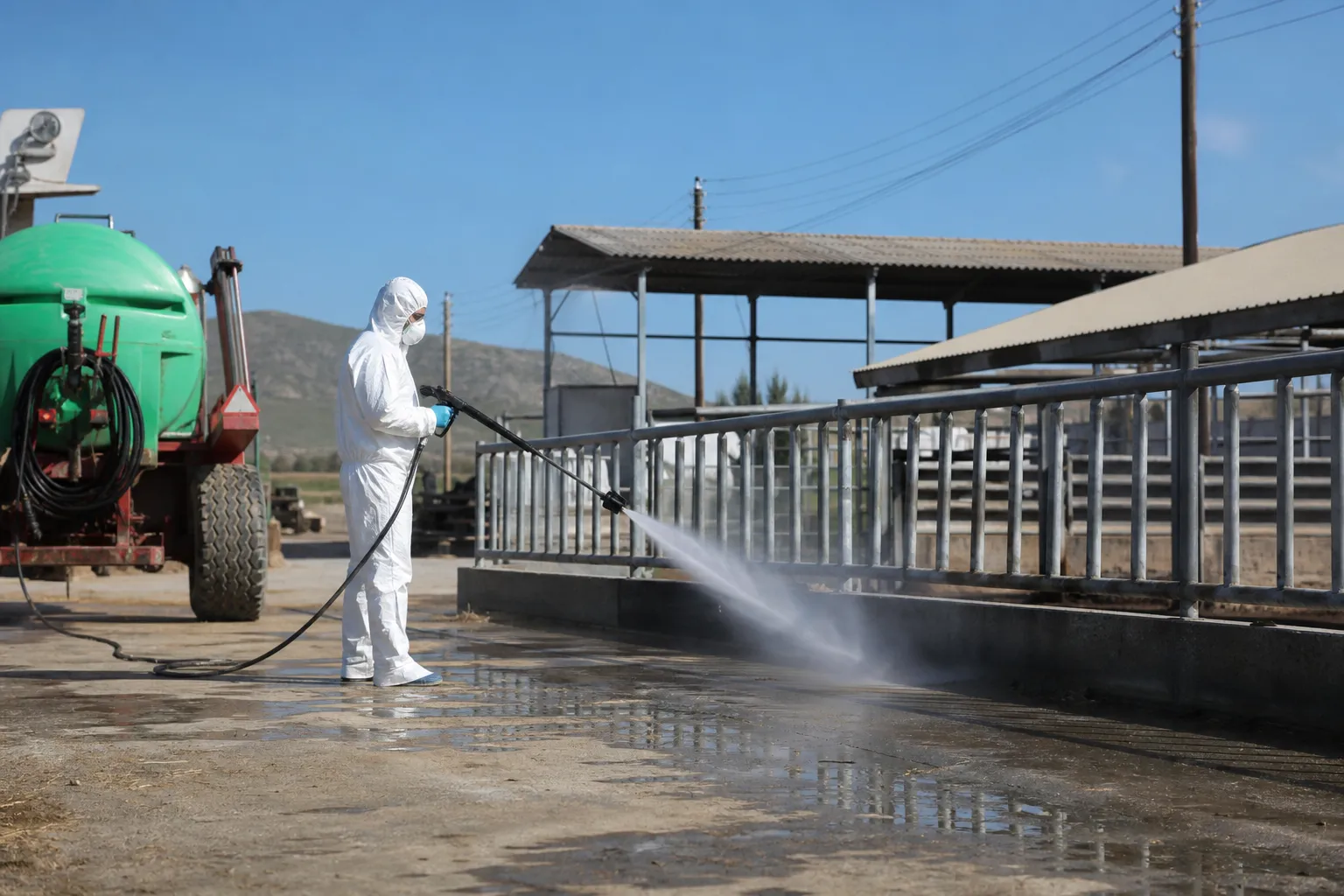
In Cyprus, the resumption of livestock operations in areas affected by foot-and-mouth disease depends on proper farm disinfection. Director of the Veterinary Services Christodoulos Pipis told the parliamentary agriculture committee that some farmers are not carrying out the mandatory work, delaying the return to operation of neighboring businesses. This was reported by Cyprus Mail.
Losses from foot-and-mouth disease
During measures to contain the spread of the highly contagious disease, authorities slaughtered 52,632 sheep and goats, 24,483 pigs, and 3,018 cattle. This represents 11.5% of the sheep and goat population, 7.8% of pigs, and 3.5% of cattle.
As of the time of the meeting, positive foot-and-mouth disease test results had been recorded at 121 farms. Pipis noted that some farm owners planning to leave the business had not carried out the required disinfection. According to him, this prevents nearby farms that are ready to resume operations from reopening.
The head of the Veterinary Services also warned that carrying out disinfection at only some facilities increases the risk of the infection spreading again. Veterinary services may fine owners who refuse to comply with the requirements or initiate criminal proceedings, but court hearings may take years.
More current news is available on the UA.News Telegram channel Telegram.
Plan for restoring the sector
A representative of the Union of Municipalities proposed that authorities disinfect farms themselves and then bill their owners. Andreas Grigoriou, permanent secretary of the Ministry of Agriculture, said that only a small number of farmers are not cooperating and that this will not hinder the overall recovery of livestock farming.
On Friday, stakeholders are due to meet at the presidential palace to discuss the conclusions of a scientific report on restoring the sector. The document was prepared by a scientific committee chaired by Stavros Malas. According to media reports, the recommendations include placing livestock farms at least 300 meters apart.
The report states that 84 of the 121 infected farms were located very close to one another, which contributed to the rapid spread of foot-and-mouth disease. According to the Veterinary Services' roadmap, infected farms will be able to resume operations in November-December if no new cases of the disease are detected by then.




