
Deputy Prime Minister Ishaq Dar orders wheat price controls in Pakistan — Dawn
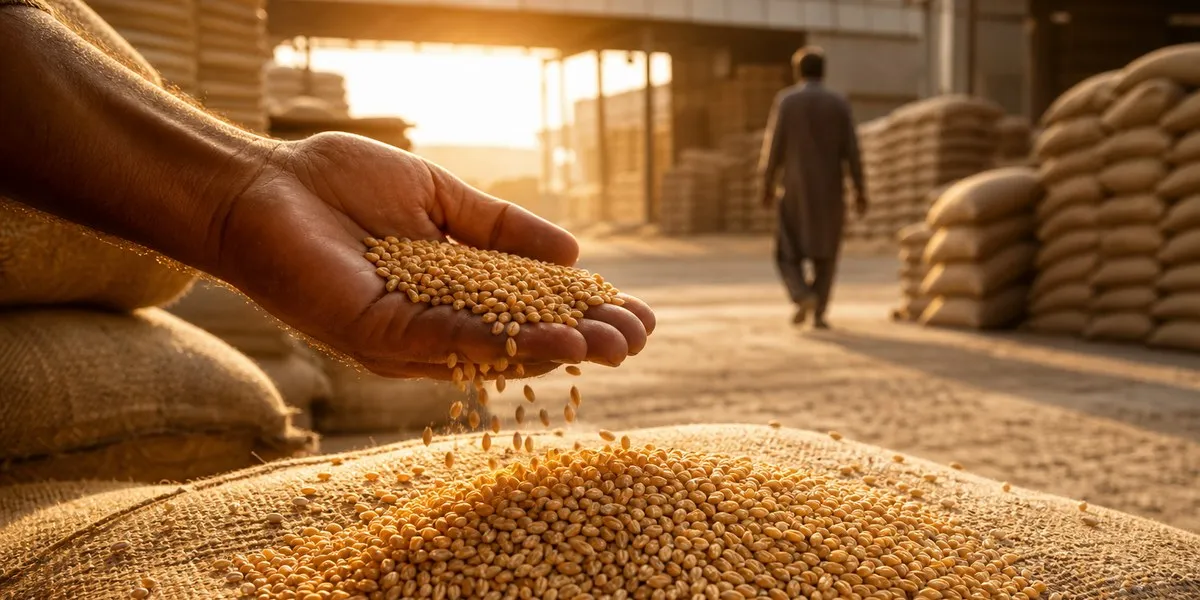
In Pakistan, Deputy Prime Minister and Foreign Minister Ishaq Dar has instructed federal and provincial authorities to take all necessary measures to curb rising wheat prices. The directives include increasing the supply of goods to the market. This was reported by Dawn.
Stocks until the new harvest
Dar chaired a meeting of a government committee that reviewed stocks, prices and supplies of essential commodities. Participants discussed national reserves, procurement mechanisms, domestic consumption and price dynamics.
The committee was informed that stocks of key commodities are sufficient to ensure stable supplies to the domestic market. According to these data, available domestic and imported wheat stocks should last until the next harvest.
It was also reported at the meeting that the price of sugar on the domestic market remains below the target retail level of 155 Pakistani rupees per kilogram. Surplus sugar stocks, it was noted, are available until the next sugarcane processing season.
More current news is available on the UA.News Telegram channel Telegram.
Market control
The deputy prime minister instructed federal and provincial authorities to strengthen oversight of market networks. He stressed zero tolerance for hoarding and market speculation.
The meeting was attended by Minister for National Food Security and Research Rana Tanveer Hussain, Minister for Climate Change Musadik Malik, Special Assistant to the Prime Minister Tariq Bajwa, officials from relevant ministries and chief secretaries of all provinces.
Support price for farmers
Meanwhile, PTI's agricultural wing welcomed the setting of an indicative wheat support price for 2027 at 4,500 Pakistani rupees per maund, or 40 kilograms. A day earlier, Prime Minister Shehbaz Sharif raised this figure by 1,000 rupees compared with last year's rate.
PTI representative Khalid Nawaz Sadhraich said that the announced price would matter only if it is actually implemented. He called on the government to adopt a clear policy for purchasing wheat directly from farmers, establish procurement centers, introduce transparent procedures and create a complaints mechanism.




