
Rectors of two major universities in Odesa will be elected this fall: what is known about the candidates
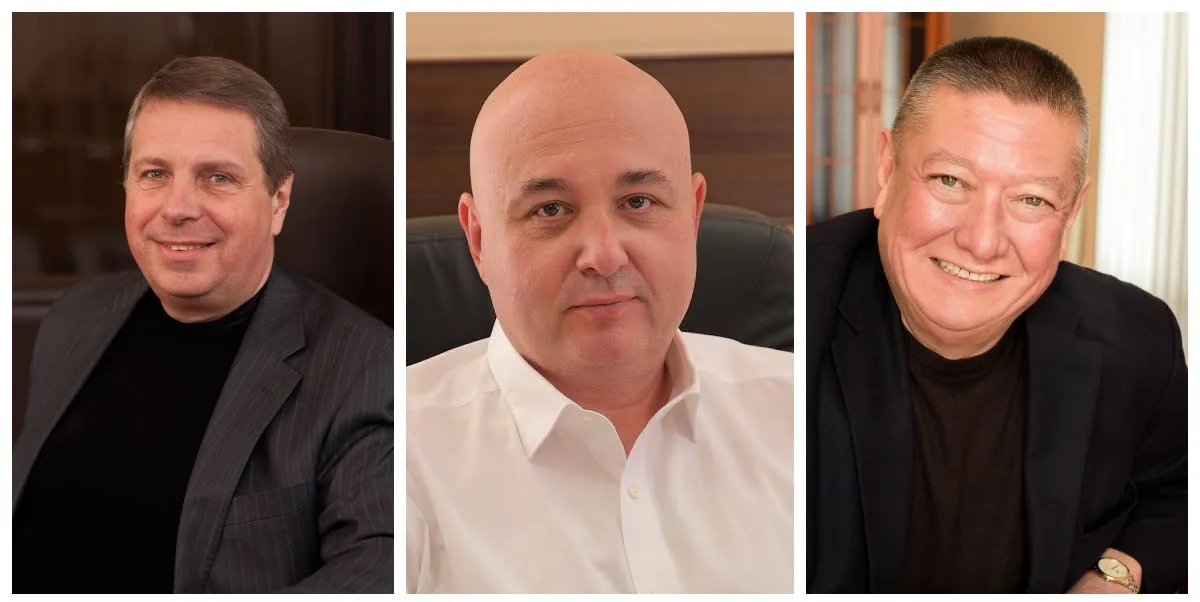
This fall, Odessa will host rector elections at two major institutions of higher education—Odessa National Medical University and Odessa Polytechnic National University.
At the medical university, the election race has already effectively begun. The candidates for the position of rector have been announced, and voting is scheduled for September 25.
One of the leading contenders is considered to be the current acting rector, Stanislav Schneider, who, according to our sources, is supported by the Ministry of Health. Among the new leadership’s key tasks are to completely overhaul the university’s management system and eliminate the influence of representatives of the former administration.
Valery Zaporozhan, the university’s long-time former rector who led the institution for nearly 25 years, has also put forward his own candidate for the election. Since he cannot run himself, his longtime colleague, Anatoliy Son, head of the Department of Neurology, is participating in the election as a candidate.
His participation could significantly influence the outcome of the vote and create additional competition for Schneider.
The situation is different at Odessa Polytechnic University. The rector’s election there is scheduled for November 4. The Ministry of Education and Science has already announced a competition for the position, but the final list of candidates has not yet been made public.
The current rector, Hennadiy Oborskyi, has led the university since 2010. He took the helm back when Dmytro Tabachnyk was head of the Ministry of Education.
During this time, Oborsky has effectively served in the position for 16 years. Meanwhile, in 2020, the Sevastopol National Technical University was merged with Odessa Polytechnic University. Following the reorganization, Oborsky’s ten-year term in office was effectively reset.
In June 2021, he was re-elected rector—this time for a new first term.
Incidentally, the UA.News editorial team contacted the National Agency for Corruption Prevention (NAZK) regarding questionable information in the rector’s declaration; but the agency found reasons why it did not need to verify the accuracy of the declaration submitted by Gennadiy Oborsky, rector of the National University “Odessa Polytechnic,” who has been at the center of a scandal involving granting conscripts the opportunity to avoid mobilization during the war. Citing a list of laws and regulatory acts, the NACP has not investigated—and does not plan to investigate in 2026—Oborsky’s assets or the sources of his income.
In addition, Dmytro Verbytskyi, a former deputy prosecutor general of Ukraine, has found a way to avoid mobilization within the walls of the National University “Odessa Polytechnic.” He is currently completing his postgraduate studies there and plans to teach at a university that has not yet been disclosed. According to sources in Ukrainian intelligence agencies, Verbytsky secured a deferment at one of Odesa’s district territorial recruitment centers in November 2024. At the same time, he remains a graduate student at Odesa Polytechnic University, although, as journalists note, he was supposed to have completed his studies back in the fall of 2025.
Thus, this fall in Odesa, significant personnel changes may take place at two major universities simultaneously. At the Medical University, the race for the position has already taken shape, while at Odessa Polytechnic University, the intrigue is just gaining momentum—the main question at the moment is who exactly will be vying for the rector’s seat.
As a reminder, rectors of Russian universities are urging students to take out loans worth millions for their education.
The Rectors’ Union has asked the Ministry of Education to lower the minimum admission score to 130.


