
Study: Electric Cars Produce Lower Emissions Even When Plugged Into a "Dirty" Power Grid
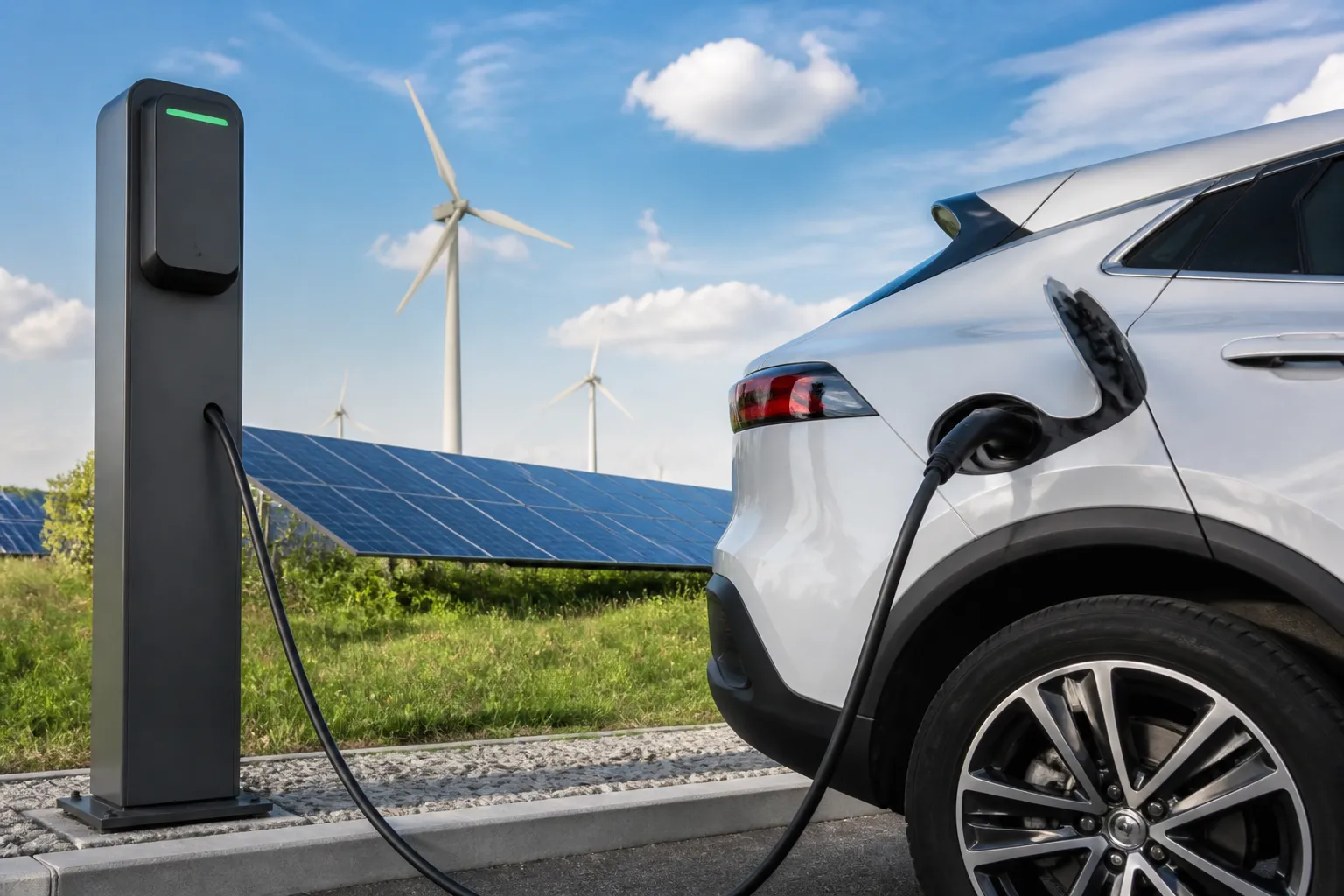
Electric vehicles in the U.S. produce fewer emissions over their lifecycle than internal combustion engine vehicles, even in regions where electricity is largely generated from fossil fuels. This was reported by InsideEVs, citing a study by the Massachusetts Institute of Technology (MIT) and the Union of Concerned Scientists.
According to the MIT researchers, the lifecycle emissions of electric vehicles in the U.S. are approximately 40–60% lower than those of gasoline-powered cars. The scientists also analyzed regions with the highest carbon intensity in electricity generation, particularly those that rely on natural gas and coal. They concluded that even under the most carbon-intensive energy mix, battery-electric vehicles do not increase lifetime emissions compared to internal combustion engine (ICE) vehicles.
The publication attributes this difference primarily to the efficiency of the powertrains. Even a highly efficient gasoline engine can convert only about 30% of the fuel’s energy into motion, while in some cases this figure is as low as 12%. The rest of the energy is lost mainly as heat. For electric motors, efficiency is estimated at approximately 90%.
For more breaking news, follow the UA.News Telegram channel.
A study by the Union of Concerned Scientists, published in 2022, took into account not only emissions associated with vehicle operation but also their production, as well as the extraction, processing, and transportation of energy resources. According to its findings, more than 90% of the U.S. population lives in regions where trips in an average electric vehicle result in fewer emissions than the most fuel-efficient gasoline-powered car on the market, which gets 59 miles per gallon.
InsideEVs also notes that emissions from the initial production of an electric vehicle may be higher, but the reduction in operational emissions, according to the estimates cited, offsets this difference within one to two years. According to the publication, the share of wind and solar power in U.S. electricity generation rose from less than 1% in 2005 to 17% last year, further reducing the carbon footprint of electric vehicles.


