
Germany loses fuel tax revenue due to electric vehicles — Deutsche Welle
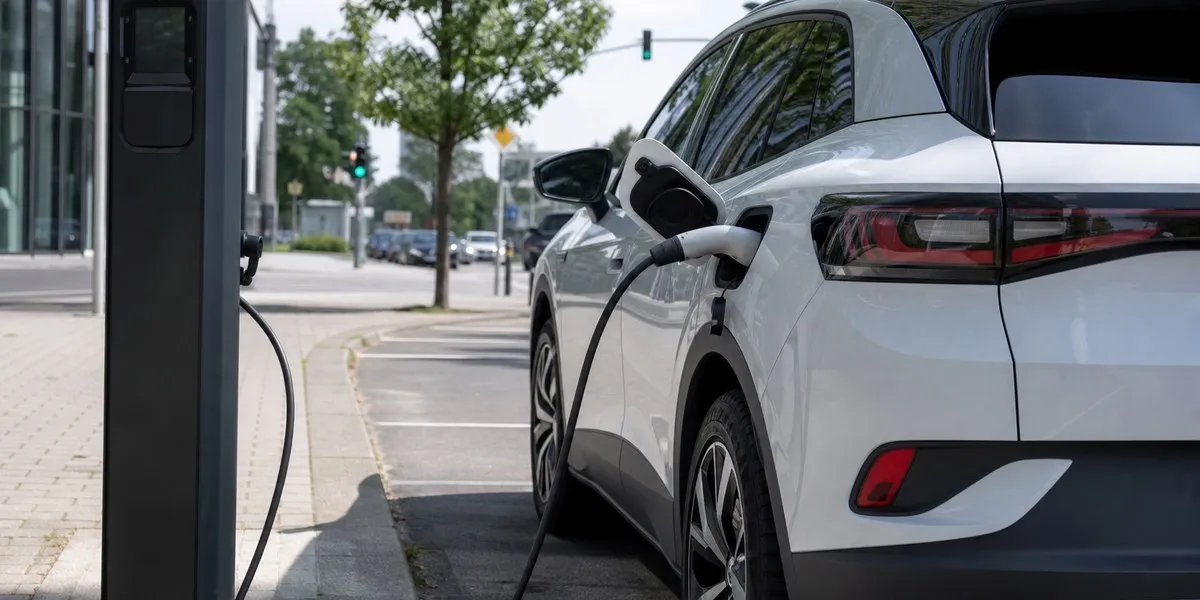
In Germany, rising electric vehicle sales are reducing revenue from taxes on petrol and diesel fuel and increasing pressure on the government to change the mechanism for financing road infrastructure. As Deutsche Welle reports, revenue from the energy tax on diesel and petrol fell from €37 billion in 2016 to €33 billion last year.
Less tax revenue from fossil fuels
According to the International Energy Agency, electric vehicle sales in Europe increased by nearly 30% in the first quarter of 2025 compared with the same period of the previous year. Jens Boysen-Hogrefe, a tax and transport expert at the Kiel Institute for the World Economy, said that consumers are abandoning petrol and diesel, while high fuel prices have accelerated the transition to electric transport.
Electric vehicle owners do not pay energy tax when charging, instead paying only a small electricity tax. By comparison, the tax on a litre of diesel in Germany is 47.04 euro cents, while the tax on a litre of petrol is 65.45 euro cents. The cost of fuel also includes a carbon levy and 19% value-added tax. At a petrol price of €2.10 per litre, taxes amount to €1.14, the ADAC automobile club notes.
More current news is available on the UA.News Telegram channel Telegram.
Options for financing roads
In 2022, the scientific advisory council at Germany's Ministry of Transport projected that energy tax revenue could decline to €5 billion by 2050. Electric vehicles are also exempt from vehicle tax until 2035, while companies investing in electric cars retain tax benefits. At the same time, state incentives for purchasing electric vehicles, which amounted to several thousand euros per car, were abolished in the country at the end of 2023.
Experts advise against delaying reform until the tax shortfall becomes so large that authorities are forced to act. A study by the University of Münster recommends introducing a charge that would depend on distance travelled and road congestion. Alternatives include a vignette with a fixed fee for using roads over a specified period or an increase in vehicle tax.
From April 2028, the United Kingdom plans to charge fully electric vehicles and plug-in hybrids based on mileage. Since 2024, New Zealand and Iceland have conducted annual odometer checks to calculate payments, while Switzerland intends to introduce a road charge for electric vehicle owners from 2030.




