
PHEV emissions in the EU were about six times higher than official figures — InsideEVs
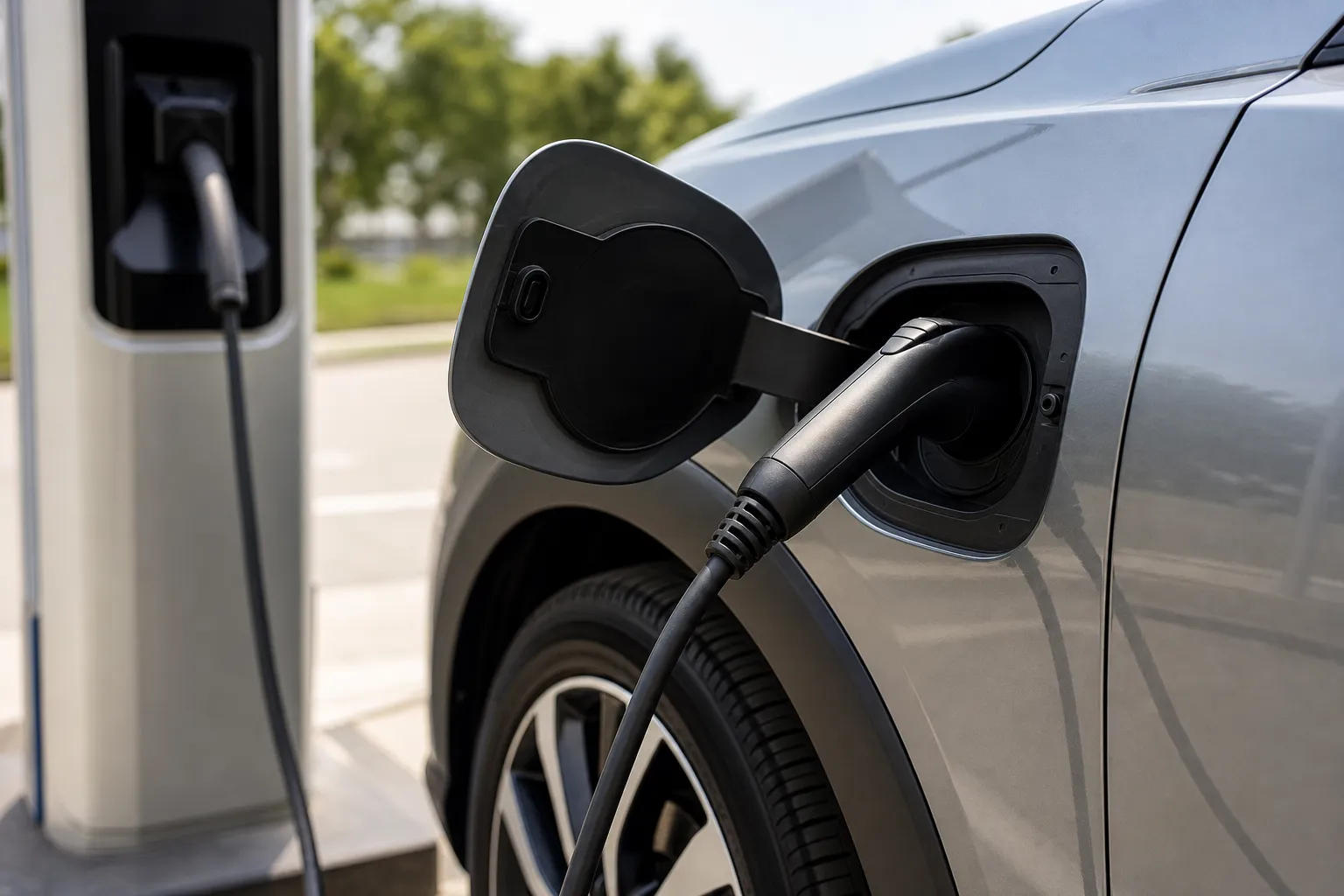
Plug-in hybrids (PHEVs) registered in the European Union in 2024 had average tailpipe emissions of 145 grams of CO2 per kilometer. This is about six times higher than their official figure of 24 g/km. The environmental organization Transport & Environment provided these data in its analysis of new EU statistics, reports InsideEVs.
Data from vehicles’ onboard systems
The conclusions are based on data from onboard fuel-consumption monitors in 220,000 vehicles. They reflect the actual use of the vehicles rather than the results of standardized laboratory tests.
For PHEVs registered in 2023, real-world emissions were 138 g/km, compared with an official rating of 28 g/km. Over the year, the actual figure increased by about 5%, while the official one decreased by about 15%. According to Transport & Environment, the gap between declared and real-world emissions has been widening every year since this monitoring began in 2021.
Average PHEV tailpipe emissions were only 14% lower than those of conventional gasoline and diesel cars, for which the figure was 169 g/km. A year earlier, the difference was 17%. This refers specifically to tailpipe emissions, not a comparison of vehicles’ full life cycles.
More current news is available on the UA.News Telegram channel Telegram.
Manufacturers oppose rule adjustment
Official PHEV emissions ratings take into account the so-called utility factor — an assumption about the share of trips driven on electric power. The higher this share is assumed to be, the lower the calculated CO2 level. However, if owners rarely charge their vehicles and more often use the internal combustion engine, actual emissions rise significantly.
The EU began gradually tightening this approach in 2025, and the next adjustment is expected in 2027. It is intended to bring official figures closer to real-world ones. At the same time, the European Automobile Manufacturers’ Association (ACEA) called in its document for the next adjustment of the factor to be canceled. Powertrain supplier Horse also published a document opposing stricter requirements, arguing that they would harm the automotive industry.
Transport & Environment urged lawmakers not to weaken the rules. A discussion in the Council of the EU is expected on October 12, while a vote in the European Parliament is expected in November.


