
Kyiv residents are walking to the left bank due to the traffic gridlock
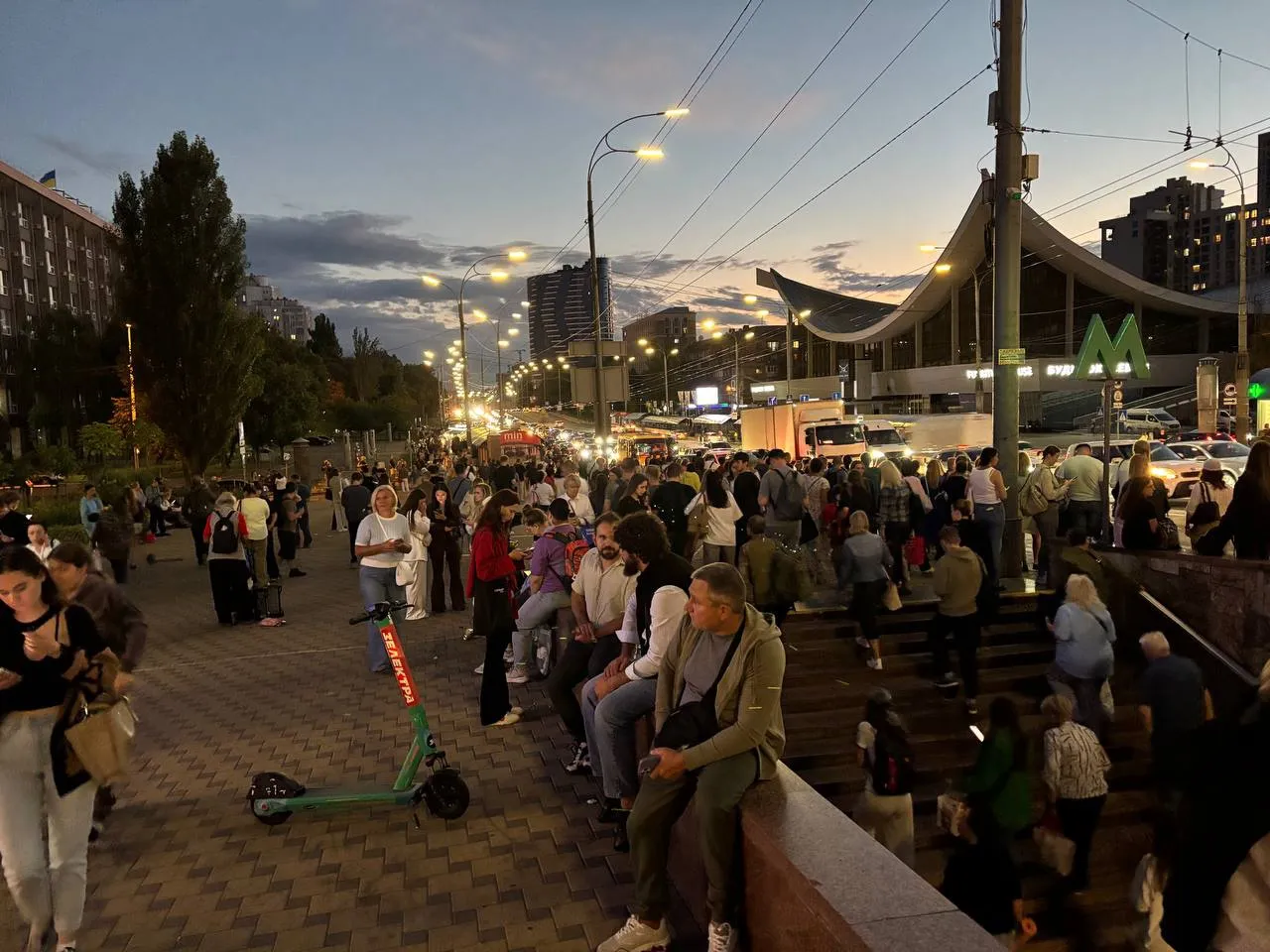
In Kyiv, the strain on ground transportation has increased significantly due to numerous air raid alerts. People are trying to get from the right bank to the left, but buses and trolleybuses are overcrowded, so some passengers are forced to walk and ask drivers for a ride.
On Thursday, August 27, Kyiv experienced an exceptionally hectic day of air raid alerts. As of the evening, alerts had been issued 10 times in the capital, and the total duration of the alerts exceeded 10 hours. The tenth alert began at 5:06 p.m. and was still ongoing at the time of publication.
As a result, residents of the capital faced serious difficulties getting around the city. The situation became particularly challenging for those who needed to travel from the right bank of the Dnipro to the left. In particular, people are reporting overcrowded buses and trolleybuses. Some passengers are stepping out onto the road and trying to flag down cars to ask drivers to give them a ride to the other bank.

However, not all drivers are stopping. Drivers are also forced to take the security situation into account, as air raid sirens have been sounding one after another throughout the day in Kyiv.
The operation of the metro remains a separate issue. The metro serves a dual purpose: it transports passengers, and during air raid alerts, underground stations are used as shelters. In Kyiv, 46 underground stations operate as shelters during alerts. Because of this, the metro cannot operate under normal service conditions during an air raid alert. Passengers who would normally use the metro to travel to the left bank are forced to wait or find alternative transportation.
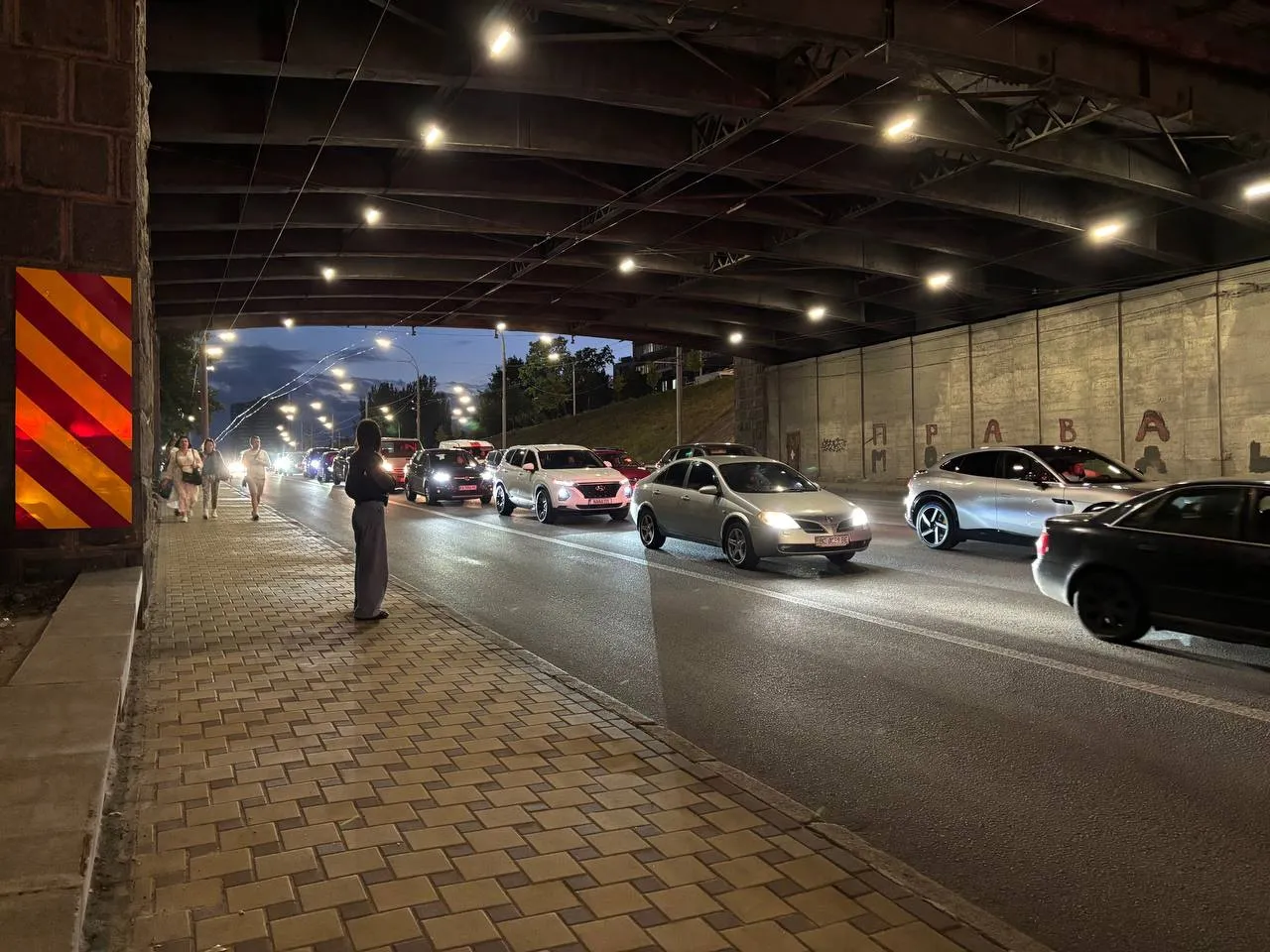
This immediately increases the load on surface transit routes. Buses and trolleybuses carry significantly more passengers, and traffic jams form on the roads. As a result, even a routine trip across the Dnipro River can take much longer.
Another complication is that during certain air raid alerts, additional restrictions on traffic across the bridges may be in effect. In particular, during an air raid alert and at the discretion of the patrol police, traffic on the South Bridge from the right bank to the left bank may be restricted, and buses may have to change their routes.

The current situation demonstrates just how heavily Kyiv’s public transportation system depends on the security situation. When alerts occur repeatedly throughout the day, the regular transit system quickly becomes overburdened. At the same time, city authorities emphasize that passenger safety remains the top priority during air raid alerts. The metro currently serves as an important shelter, and passengers are advised not to ignore air raid sirens and to head to safe locations.
For Kyiv residents, this means a difficult choice: wait for the alert to end and for normal service to resume, or find another way to get home. That is why today, on the streets of the capital, you can see people with suitcases, bags, and backpacks, some walking part of the way or trying to hitch a ride.
On the evening of August 27, a four-story residential building in Kyiv’s Podilskyi district was damaged as a result of yet another Russian attack.
Kyiv City Express train service has been temporarily suspended in Kyiv due to an elevated air threat. City commuter train service will resume once the air threat has passed and the necessary authorization has been received.
In Kyiv, there is a proposal to allow metro trains to operate during air raid alerts on certain sections of the line to reduce the burden on surface transportation and cut travel time for thousands of passengers.




