
Kyiv will add 1,000 MW of additional generating capacity and set up 100 warming centers
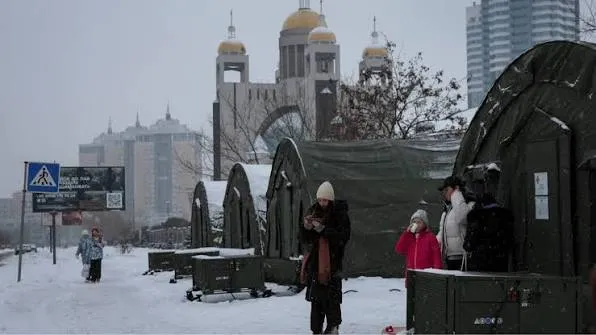
As of August 7, Kyiv is stepping up preparations for the heating season amid ongoing Russian attacks on energy infrastructure. The capital plans to generate an additional 1,000 MW of thermal power and set up 100 emergency heating centers in case of emergencies.
This was announced by Petro Panteleev, acting first deputy head of the Kyiv City State Administration.
The main priorities of the city’s resilience plan include restoring damaged equipment at thermal power plants, protecting infrastructure facilities, and creating backup power sources and a redundant heat supply network.
According to Panteleev, more than 50% of the work for which the city is responsible has already been completed.
“We must fully restore the heat supply facilities, partially restore some of the power units to approximately 350 MW, and restore another 100 MW by the end of the year. We also need to create an additional 1,000 MW of thermal generation capacity using backup sources, local boiler houses, and by replacing and upgrading old boilers and pumps,” he said.
According to him, Kyiv plans to launch 200 MW of backup power from cogeneration plants by the end of the year. Currently, 200 MW of equipment is already in place, of which 60 MW has been put into operation.
The creation of backup heat supply systems and the engineering and technical protection of critical infrastructure, according to the Kyiv City State Administration representative, should be funded from the state budget.
At the same time, the city continues to prepare for potential emergencies.
“Everything we are doing now will allow us to be much better prepared for winter than we were last year. We are building protective measures for critical infrastructure facilities and working to accelerate the creation of alternative energy infrastructure. But at the same time, we need to prepare scenarios for how to respond in extreme conditions,” Panteleev noted.
Kyiv plans to double the number of heating centers.
The city is also expanding its network of designated schools, which will have independent heating and power supplies.
“Last winter, there were about five such schools in each city district. Now we’ve decided to increase that number to ten in each district. In total, there will be 100 such facilities across the city,” Panteleev said.
According to him, these facilities will be open to residents in the event of emergency power or heating outages.
This year, Kyiv has allocated a record amount of funding for municipal co-financing programs to prepare residential buildings for winter.
In particular, backup power programs have already covered more than 1,000 buildings. About 200 solar power plants have been installed in the capital’s high-rise buildings.
In addition to resilience plan measures, the city is also funding the repair of shelters, the construction of protective structures, and the restoration of buildings damaged by shelling.
“Unfortunately, this is currently a very significant area of expenditure. The consequences of every ballistic attack that occurs result in damages amounting to 300–500 million hryvnias,” Petro Panteleev said in an interview with LB.ua.
Following one of Russia’s most intense nighttime attacks on Kyiv on August 5, elevated levels of air pollution were recorded in the capital. The situation is worst in the western and eastern districts of the city, where the Air Quality Index (AQI) has reached unhealthy levels.
Following Russia’s massive attack on Kyiv and the Kyiv region, the threat of air pollution persists. The Ministry of Health advises people to spend less time outdoors, close windows and doors, and take steps to protect their respiratory tracts. It is especially important to monitor your health and respond immediately if you experience breathing difficulties.




