
Freddie Mercury’s 80th Birthday: How Much He Earned During His Lifetime and How Much His Name Brings in After His Death
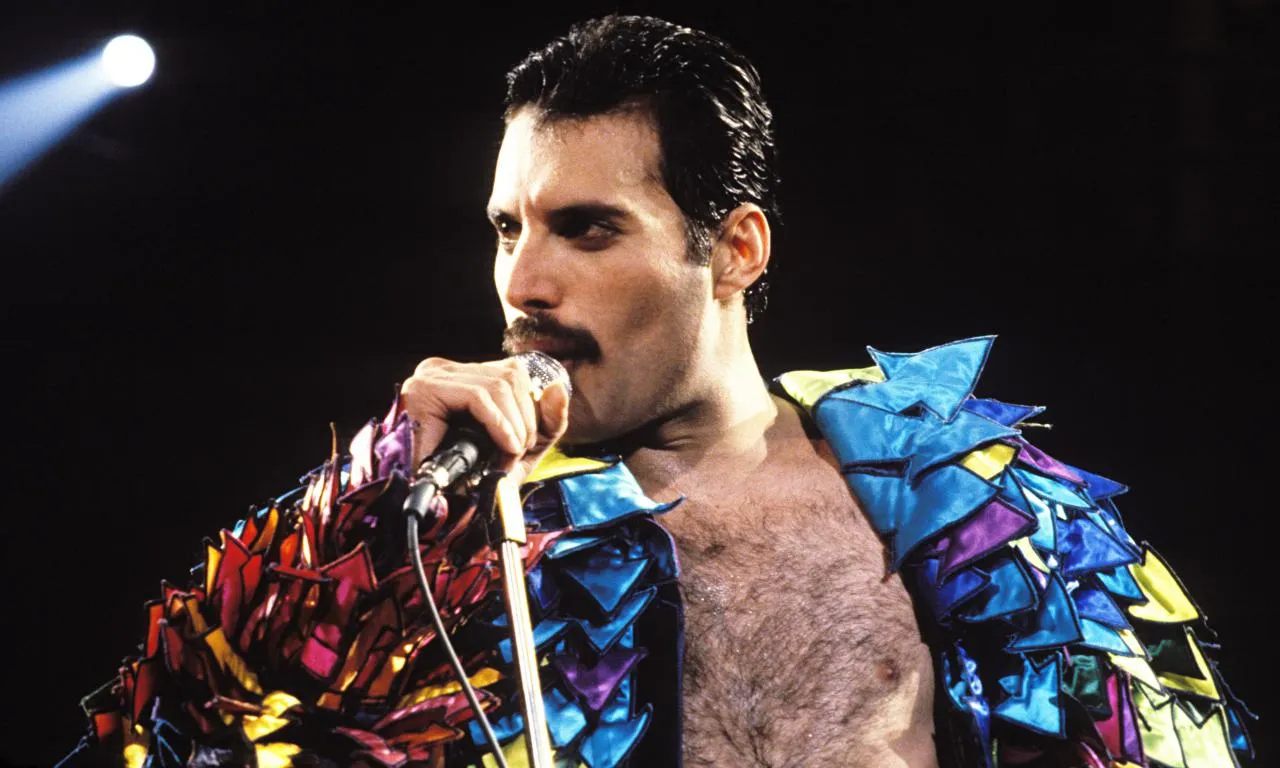
On September 5, Freddie Mercury would have turned 80. The Queen frontman passed away back in 1991, but more than three decades after his death, something unusual—even for the biggest music stars—has happened: the commercial value of his work has not only been preserved but has actually continued to grow.
Queen’s songs have amassed billions of streams and views, their *Greatest Hits* compilation remains one of the most successful albums in British history, the film *Bohemian Rhapsody* grossed over $900 million at the box office, Mercury’s personal items sold at auction for approximately £40 million, and Queen’s music catalog became the subject of one of the most expensive deals in the history of the music industry.
In 2024, Forbes estimated Mercury’s posthumous earnings at approximately $250 million—primarily due to the sale of Queen’s rights.
UA.News explores just how wealthy Freddie Mercury was during his lifetime, how he spent his money, to whom he left his estate, and why the musician continues to earn enormous sums decades after his death.
From Farrokh Bulsara to Millionaire: How Much Did Freddie Mercury Actually Earn?
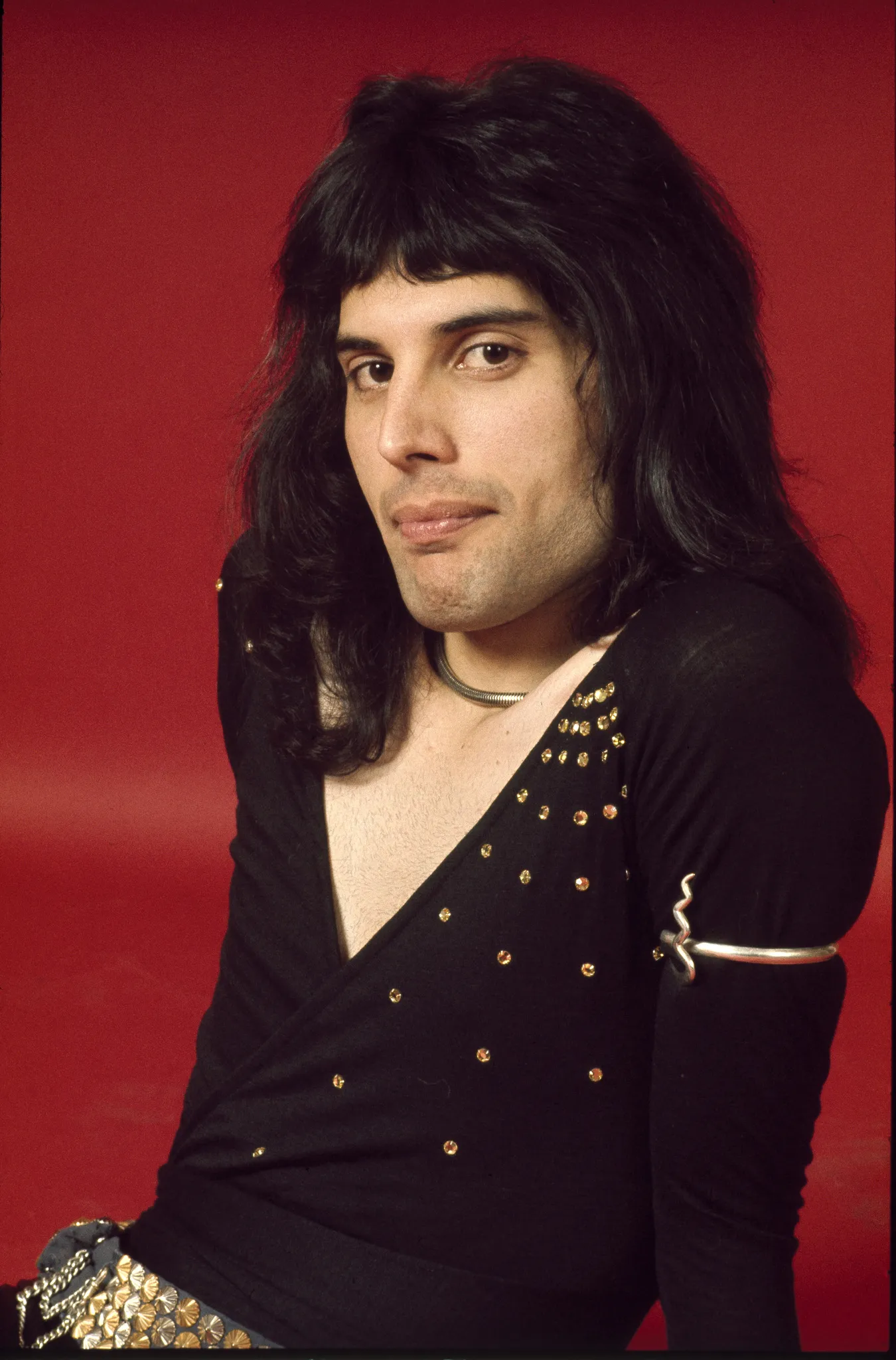
Mercury was born on September 5, 1946, in Zanzibar as Farrokh Bulsara. After studying in India, his family moved to the United Kingdom, and in 1970, together with Brian May and Roger Taylor, he formed a band that would later be named Queen. Bassist John Deacon joined them later.
It is virtually impossible to calculate exactly how much Mercury personally earned during his lifetime. In the 1970s and 1980s, the music industry was far less transparent than it is today: money was divided among record labels, managers, publishers, promoters, and musicians, and tour revenues should not be confused with an artist’s net income.
Modern estimates vary. In an article marking the musician’s 80th birthday, The Independent writes that Mercury’s net worth at the time of his death may have been approximately £20–30 million. And that was only the wealth the musician himself had accumulated. Copyrights proved to be a far more valuable asset in the long term.
Queen had already become a massive global sales machine during Mercury’s lifetime. Sotheby’s estimates the band’s total worldwide record sales at approximately 300 million copies.
Mercury himself wrote or co-wrote many of Queen’s most commercially valuable songs—Bohemian Rhapsody, Somebody to Love, We Are the Champions, Killer Queen, Don’t Stop Me Now, Crazy Little Thing Called Love, and others.
In other words, he created an asset that, unlike a concert or a fee for a specific year, can generate income for decades. And this turned out to be Freddie Mercury’s greatest financial phenomenon.
Songs Turned Out to Be Worth More Than Houses: How Queen Continues to Earn Money Decades Later
The scale of Queen’s musical legacy is best demonstrated by the simple Greatest Hits compilation. It was released in 1981, a full ten years before Mercury’s death. More than four decades later, the album remains the biggest album in the history of the UK charts.
In 2022, *Greatest Hits* became the first album to surpass the 7 million mark in British “chart sales”—a metric that now includes physical sales, downloads, and streaming.
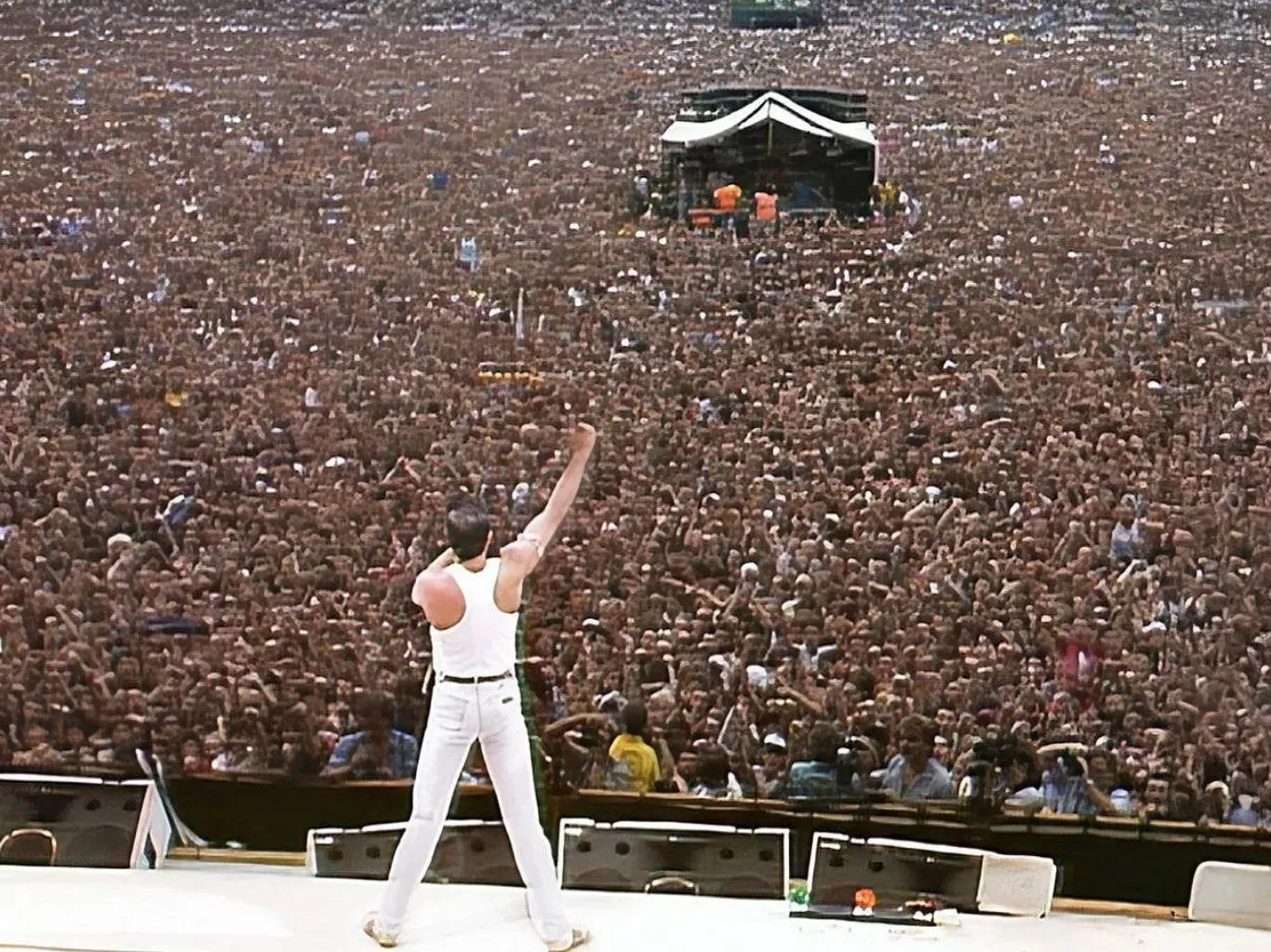
In August 2026, the Official Charts once again ranked *Greatest Hits* number one on the list of the biggest albums in British music history. This is particularly significant from a financial standpoint. Previously, the catalog generated revenue primarily from sales of vinyl records, cassettes, and CDs. Then digital downloads emerged. Today, those same songs are monetized through Spotify, Apple Music, YouTube, TikTok, advertising, movies, television, video games, and licensing.
A single song can effectively be sold to the same generation of listeners across several different formats, and then pass on to the next generation. A prime example is “Bohemian Rhapsody.”
Back in 2019, the music video for the song became the first music video released before the 1990s to surpass one billion views on YouTube. And that means more than just popularity. Every new stream, every use of the song in a movie or advertisement, every radio airplay, and every purchase of the recording creates a new revenue stream for the rights holders.
That is precisely why old music catalogs are now viewed by investors almost as a separate asset class. And Queen has turned out to be one of the most valuable such assets in the world.
The £1 Billion Deal: How Freddie Mercury “Earned” Hundreds of Millions 33 Years After His Death
In 2024, news spread like wildfire through the music world: Sony Music had agreed to acquire Queen’s catalog and a number of related rights for approximately £1 billion, or about $1.27 billion at the exchange rate at the time.
Variety called the deal extremely complex, as it covered not only recordings but also other rights. The only major revenue category not included in the agreement was live performances—Brian May and Roger Taylor continued to tour with Adam Lambert.
To put this into perspective: the sum was comparable to the valuations of entire large companies—for music, much of which was recorded in the 1970s and 1980s. And Mercury formally remained one of the financial stakeholders in this story through his estate.
Forbes reported that the proceeds from the deal were divided among the four original members of Queen—Brian May, Roger Taylor, John Deacon, and the share that belonged to Mercury. According to the publication’s estimates, in the 2024 ranking of the highest-paid deceased celebrities, Freddie Mercury received approximately $250 million in posthumous earnings.
Of course, this money isn’t sitting in the bank account of a man who died in 1991. This refers to income from his estate and the rights controlled by his heirs. But it is precisely this figure that best illustrates the Mercury paradox: one of the greatest financial returns associated with his work arose more than three decades after his death.
It’s unlikely that the musician himself, back in 1975 while working on the six-minute “Bohemian Rhapsody,” could have imagined that half a century later, the band’s catalog—which includes this song—would be valued at approximately one billion pounds.
“Bohemian Rhapsody” grossed over $900 million and reintroduced Queen to a new generation
There is another asset that demonstrates just how lucrative Mercury’s story has become. In 2018, the biopic “Bohemian Rhapsody,” starring Rami Malek as Freddie, was released. The film’s budget was about $52 million. Total worldwide box office receipts, including re-releases, exceeded $911 million.
In other words, the film grossed approximately 17 times its production budget at the box office. And the financial impact didn’t stop there.
The biopic effectively became a massive promotional campaign for Queen’s discography. Millions of young viewers who weren’t around during Mercury’s time discovered “Bohemian Rhapsody,” “We Will Rock You,” “Another One Bites the Dust,” “Don’t Stop Me Now,” and other songs.
After that, the music returned to the charts and experienced a new wave of streaming. This is precisely what makes the economics of large music catalogs unique. Ordinary products have a life cycle: they become obsolete and gradually lose their value. With iconic music, the opposite can happen.
A new movie, TV series, TikTok trend, or advertisement can turn an old song into a global hit again 20 or 30 years after its release. In Mercury’s case, it wasn’t just the music that became a commodity. To a certain extent, Freddie himself became a commodity.
£40 million for items from his home: just how much is everything Mercury ever touched worth today?
Mercury loved spending money just as much as he loved earning it.
He was interested in paintings, antiques, Japanese art, jewelry, furniture, and clothing. According to Sotheby’s, during Queen’s heyday, the musician regularly attended London auctions and built his own collection.
Many years later, this passion unexpectedly became another major financial asset. In 2023, Sotheby’s held a series of auctions titled “Freddie Mercury: A World of His Own.” The collection was initially estimated to be worth approximately £7.6–11.3 million.
The result turned out to be quite different. Buyers placed 41,800 bids on 1,406 lots, with nearly 99% of the items selling for more than the upper limit of their preliminary estimates. Total proceeds reached approximately £40 million, or $50.4 million.
At times, the prices were almost absurd considering the items’ original value. The famous handwritten drafts of “Bohemian Rhapsody” sold for £1.379 million. The lyrics to “We Are the Champions” went for £317,500; “Killer Queen” for £279,400; and the manuscript of “Somebody to Love” for £241,300.
Even the green front gate of Garden Lodge, on which fans had left messages for years, went for £412,750—more than 25 times its previous estimate. In fact, after Mercury’s death, almost everything directly associated with him became a collector’s item.
And this clearly illustrates the difference between the price of an object and the price of history. An ordinary sheet of paper is practically worthless. A sheet of paper on which Freddie Mercury wrote “Bohemian Rhapsody” is worth over a million pounds.
A house purchased for privacy was valued at more than £30 million a decade later
One of Mercury’s major purchases was Garden Lodge in Kensington, London. He bought the house in 1980 and transformed it into a unique private world filled with paintings, antiques, and Japanese art.
For a man who built stadiums, Mercury paradoxically valued privacy deeply. It was at Garden Lodge that he spent the last years of his life and died on November 24, 1991, at the age of 45. After his death, the house passed to Mary Austin.
In 2024, Garden Lodge was put up for sale for the first time in a decade. The asking price was over £30 million, or approximately $38 million. Thus, even the property that Mercury purchased for his own personal use eventually became an extremely valuable asset, further enhanced by the history of its famous owner.
To Whom Did Freddie Mercury Leave His Money?
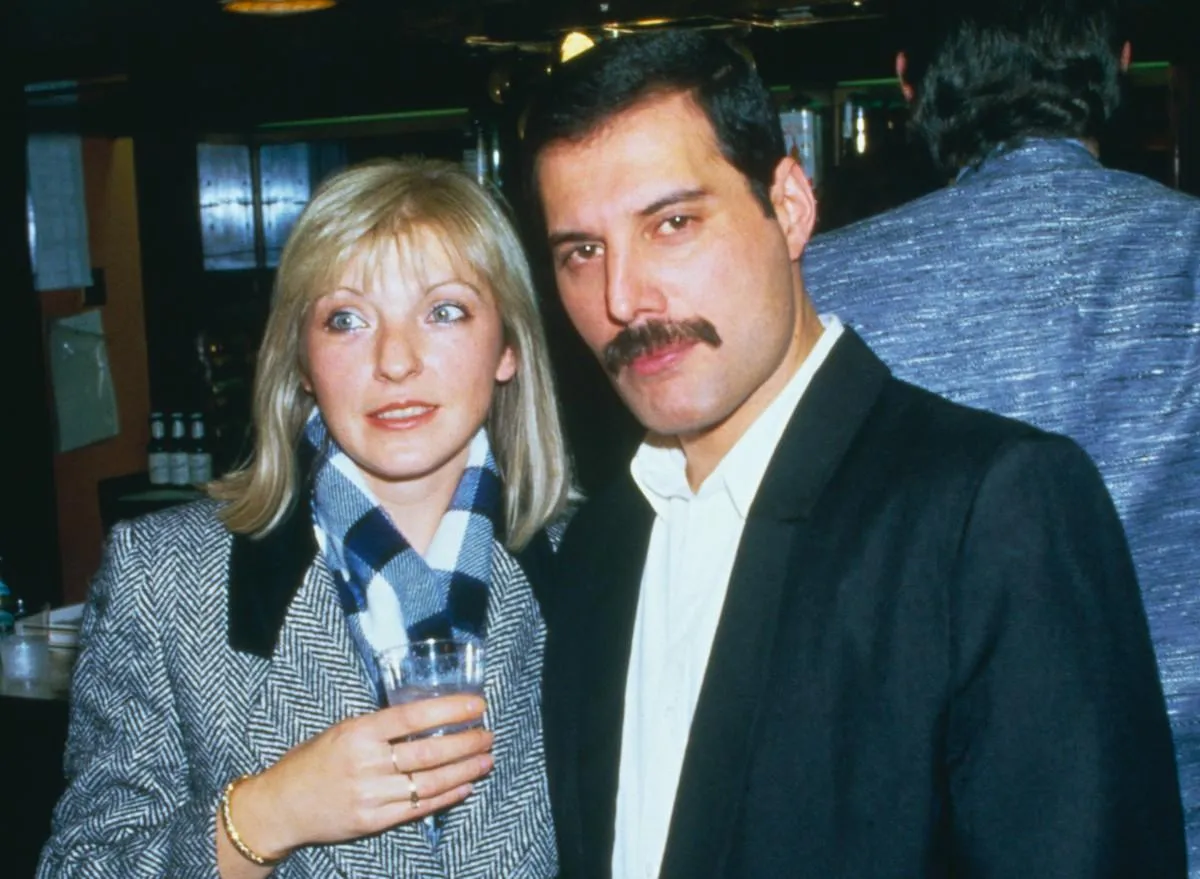
The most important person in the financial history of Mercury’s estate was not a member of Queen. It was Mary Austin. They met in the early 1970s, were a couple, and even planned to get married. Later, their romantic relationship ended, but Austin remained one of the people closest to Mercury until his death.
In his will, the musician left her Garden Lodge and a significant portion of his personal property and estate. Austin received half of his primary estate, while the remaining shares went to the musician’s parents and sister. Mercury bequeathed specific sums to people in his inner circle.
Thus, the rights associated with one of the greatest rock stars of the 20th century did not disappear after his death. They became a hereditary financial asset. And over the years, this asset has only grown in value.
He didn’t have a driver’s license, adored cats, and could spend vast sums on art
Financial success did not turn Mercury into a classic businessman. On the contrary, his personal attitude toward money largely mirrored his stage persona. The musician loved beautiful things, designer clothes, big parties, art, and unusual purchases. He collected Japanese prints, ceramics, furniture, and antiques.
He had a particular passion for Japan. Mercury visited the country many times, purchased art there, and created a separate Japanese-style room at Garden Lodge. At a 2023 auction, just the portion of his collection dedicated to his fascination with Japan fetched approximately £2.6 million.
Another well-known passion was cats. Mercury’s collection included portraits of cats, figurines, and numerous items featuring cat motifs. Sotheby’s even grouped some of these items into separate lots during the auction.
Yet there is an amusing contrast: a man who could afford a Rolls-Royce hardly ever used the car himself as an ordinary driver. Mercury surrounded himself with luxury not so much as a display of his bank account as part of his own aesthetic.
And in the end, that aesthetic, too, became an asset.
Why Freddie Mercury Is Worth More 35 Years After His Death Than He Was During His Lifetime
The story of Freddie Mercury’s money highlights one of the most interesting aspects of the modern entertainment industry. During their lifetime, artists earn money from concerts, albums, performance fees, and royalties.
After death, concerts disappear. But in the case of the most famous musicians, everything else can remain. Queen continues to sell albums. Millions of people listen to their songs on streaming platforms. Radio stations continue to play “Bohemian Rhapsody.” Filmmakers use their songs in movies.
Brands purchase licenses. YouTube displays ads alongside music videos. Movies about the band gross hundreds of millions of dollars. Handwritten song lyrics become collector’s items. And the rights to the entire catalog can be sold for roughly one billion pounds.
That’s why the answer to the question of how much Freddie Mercury earned turns out to be more complicated than it seems.
During his lifetime, he amassed a fortune worth millions and earned enormous income as a member of one of the world’s most successful bands. But the financial asset he created turned out to be significantly larger than his personal bank accounts.
*Greatest Hits* remains the best-selling album in the UK. His personal belongings fetched approximately £40 million. *Bohemian Rhapsody* grossed over $900 million at the box office. Queen’s catalog has been valued at approximately £1 billion. And Forbes estimated Mercury’s posthumous earnings at nearly $250 million for 2024 alone.
He would have turned 80 on September 5. Mercury himself has been gone for almost 35 years. But the brand, voice, image, and dozens of songs he created remain among the most valuable assets in the history of rock music.


