
The history of Kol Nidrei and controversies surrounding its text — Jerusalem Post
Israel’s Jerusalem Post has recounted the history of Kol Nidrei, an Aramaic formula for annulling personal vows associated with Yom Kippur. Despite the legal nature of the text, the Kol Nidrei melody has become one of the most emotional and recognizable in Jewish liturgy, later entering classical music, cinema and popular culture.
Cantor Eliyahu Schleifer, professor emeritus of sacred music and former director of the School of Sacred Music at Hebrew Union College in Jerusalem, noted that the text of Kol Nidrei dates back to the 8th or 9th century and has been controversial from the outset. The main subject of debate was whether vows made for the future could be annulled.
Controversies surrounding the text
In the Middle Ages, the formula initially concerned the period from one Yom Kippur to the next. Because of legal disputes, many communities changed it so that it applied only to vows made in the past. Today, according to Schleifer, the text mentions both past and future vows.
In the Middle Ages, antisemites used the formula for false claims that Jews absolve themselves of all agreements and promises. This became a pretext for the systematic imposition of the humiliating More Judaico oath. In the 19th century, figures in Reform Judaism sought to alter or remove the Kol Nidrei text, and it was not printed in American Reform prayer books of the early 20th century. The traditional melody could instead be performed by an organist or choir without the Aramaic words.
More current news is available on the UA.News Telegram channel Telegram.
The melody’s path into world culture
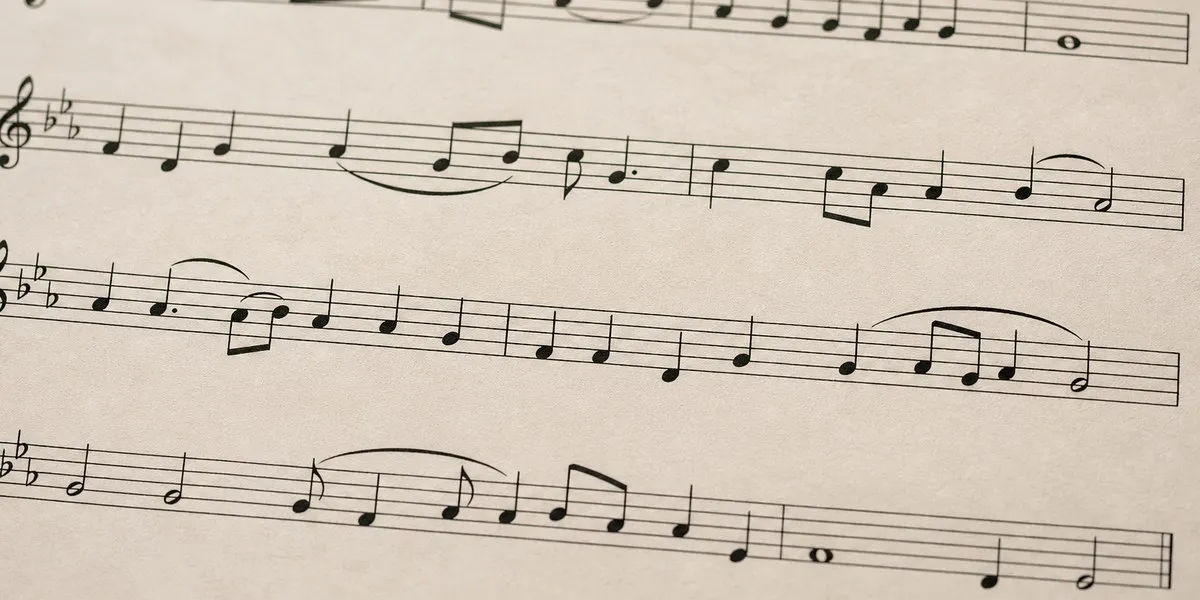
The roots of the Ashkenazi Kol Nidrei melody are associated with Germany in the 15th and 16th centuries. Schleifer considers it a combination of Ashkenazi biblical cantillation, cantorial improvisation and medieval German folk songs. The melody was first printed in Berlin in 1765 by Cantor Aaron Beer, and in 1871 Louis Lewandowski created a choral and cantorial arrangement that became widely known.
The best-known classical adaptation was Kol Nidrei, a fantasy for cello and orchestra written in 1880 by German Protestant composer Max Bruch. Later, Arnold Schoenberg composed Kol Nidre, Op. 38, combining the traditional prayer with texts from Lurianic Kabbalah. Perry Como recorded the melody, while The Electric Prunes used it in a psychedelic rock composition in 1968. It was also heard in the 1927 film The Jazz Singer and its 1980 remake.
In Schleifer’s view, the emotional power of the theme is linked to its musical structure: it begins in a solemn minor key and moves into a major key, which he associates with hope and salvation.


