
Four productions of “King Lear” staged in Tokyo over a year
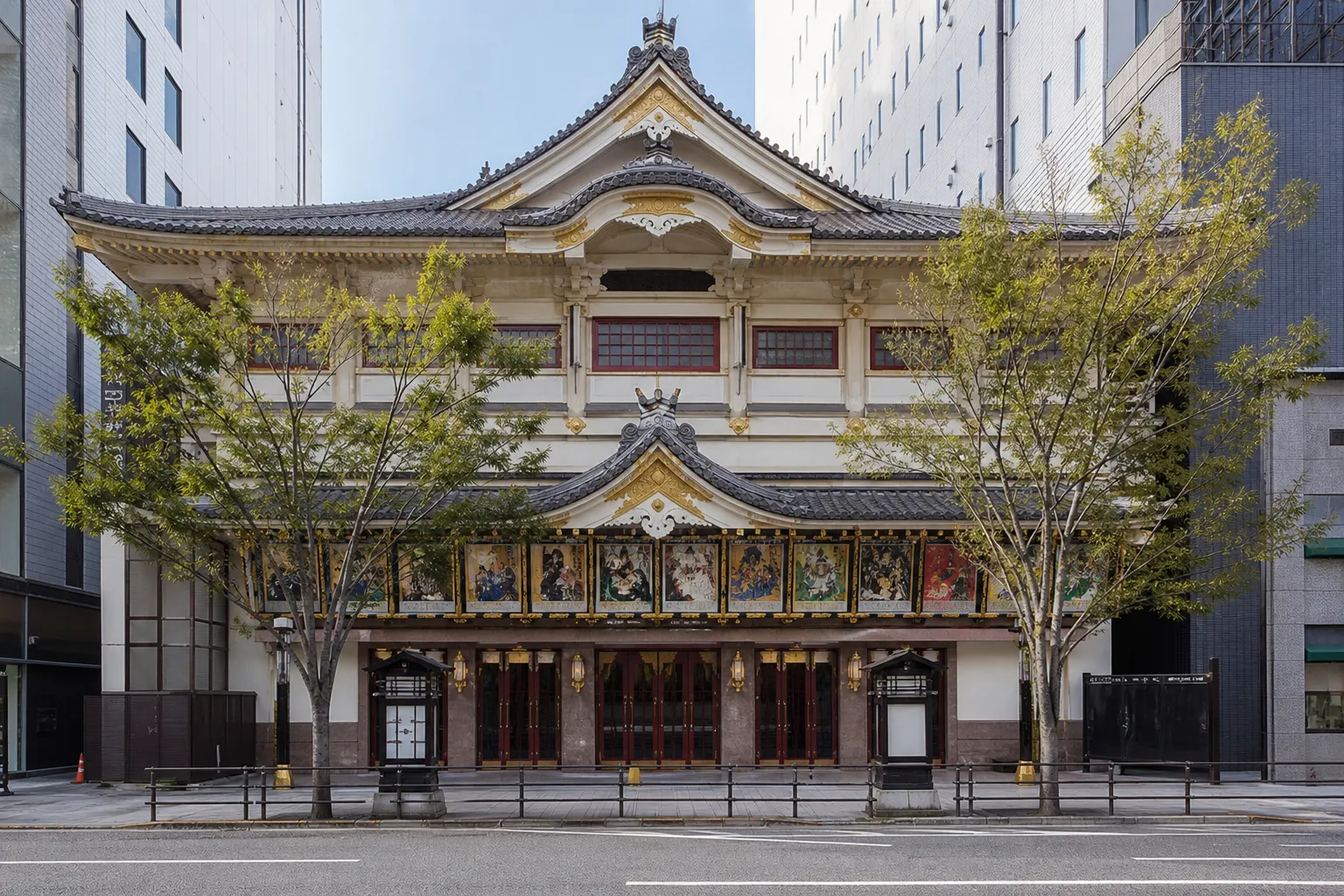
In Tokyo, Japan, four major productions of William Shakespeare’s tragedy “King Lear” have been presented over the course of a year. Two performances have already concluded, while two more are scheduled for September. The Japan Times reported on the series of productions in the Japanese capital.
Last October, actress Shinobu Otake, a three-time Japan Academy Prize winner, played Lear in a gender-reimagined production by British director Philip Breen. In this version, the main character was portrayed not as a monarch, but as a dictator.
In May, veteran Shakespearean stage actor and director Kotaro Yoshida played Lear at the Saitama Arts Theater. The production was part of the Sainokuni Shakespeare Series, which encompasses all 37 of Shakespeare’s plays, and toured Japan in the summer after its Tokyo premiere.
September productions
At Tokyo’s Shinbashi Enbujo theater, kabuki actor Nakamura Shikan VIII is playing Lear through September 22. The production is directed by Takaaki Inoue. This is his third collaboration with Nakamura on a Shakespeare play, following productions of “Othello” in 2018 and “A Midsummer Night’s Dream” in 2022.
More current news is available on the UA.News Telegram channel Telegram.
On September 21, another version of “King Lear” is set to premiere at the Playhouse of the Tokyo Metropolitan Theatre. Seiyo Uchino will play the leading role, while Shintaro Mori is the director.
Translations and interpretations
Each of the four productions uses a separate Japanese translation of the tragedy. Inoue chose a translation by British history scholar Mikiko Ishii, published in 2021. Breen worked on the text for more than two years together with translator Hiromasa Kiuchi and translator and interpreter Yoko Tokita.
The Saitama Arts Theater production used a translation by Yushi Odashima, while Mori is working with a translation by Kazuko Matsuoka, the first woman to translate all of Shakespeare’s dramatic works into Japanese. Breen links the play to contemporary issues of harsh power, generations and property, while Inoue emphasizes the work’s ambiguous despair and Lear’s humanity.


