
Analysts do not expect US move to resolve tanker crisis — The National
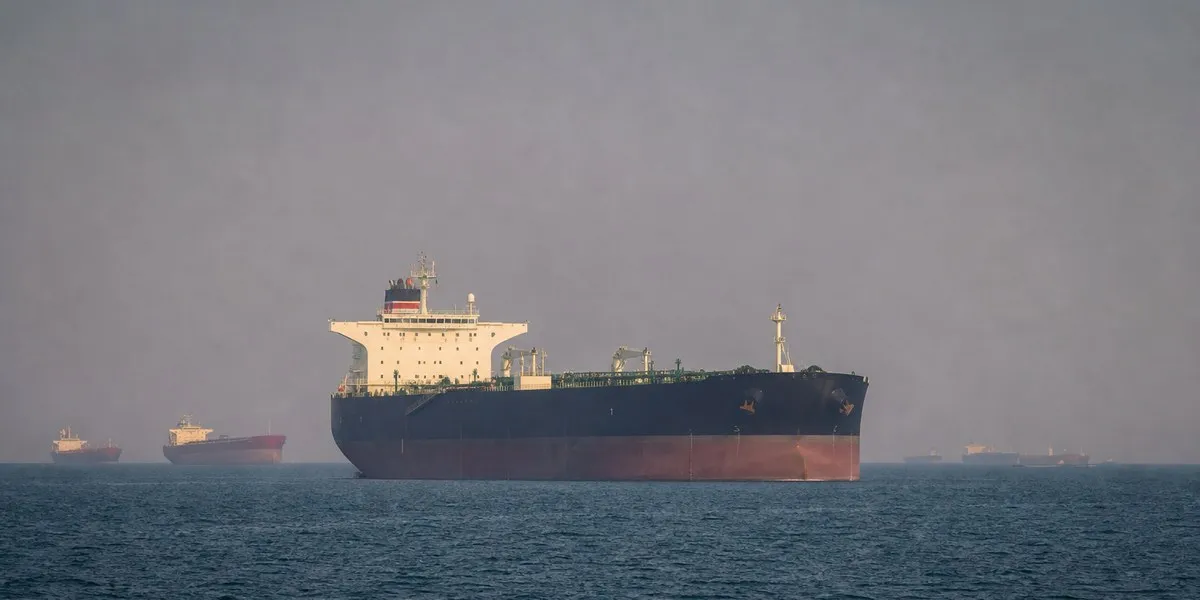
Permission from the administration of US President Donald Trump to sell sanctioned oil tankers is unlikely to resolve the crisis in the oil transportation market. The main obstacle remains shipowners’ reluctance to send tankers through the Strait of Hormuz because of attacks on vessels in the Arabian Gulf, The National reports.
Risks for crews
Bloomberg Intelligence senior analyst Salih Yilmaz said that the US move could somewhat ease the availability of tankers in the Arabian Gulf, but would not eliminate the current crisis. According to him, shipowners are demanding very high compensation for the risk to vessels and crews when operating near the Strait of Hormuz.
The International Maritime Organization, as of October 22, confirmed 120 attacks on vessels since the war began in February. Twenty-two seafarers have been killed in the attacks. As the Financial Times previously reported, tanker owners pay captains up to $100,000 per month, as well as a $50,000 bonus for each voyage because of navigation risks in the area of the strait.
More current news is available on the UA.News Telegram channel Telegram.
Limited benefit from easing sanctions
The US administration this week allowed sanctioned tankers to be sold so that, after repairs, they could be used to transport oil not subject to sanctions. US Energy Secretary Chris Wright said that the government is working with investors who buy idle vessels, repair them and use them to transport non-sanctioned oil.
However, according to Yilmaz’s assessment, a significant share of sanctioned vessels are already operating on Russian, Iranian or other restricted trade routes rather than sitting idle. Therefore, easing the restrictions is more likely to redistribute existing capacity among major markets than to substantially increase tanker availability.
Vortexa analyst Vanin Zhang also noted that many tankers included on the sanctions list of the US Treasury Department’s Office of Foreign Assets Control remain under UK or EU sanctions. In addition, about 70% of tankers on the OFAC list are at least 20 years old, which may limit their return to mainstream shipping because of maintenance, inspection, insurance and commercial viability requirements.




