
Dabar hydropower plant in Bosnia threatens the Neretva, environmentalists say — Balkan Insight
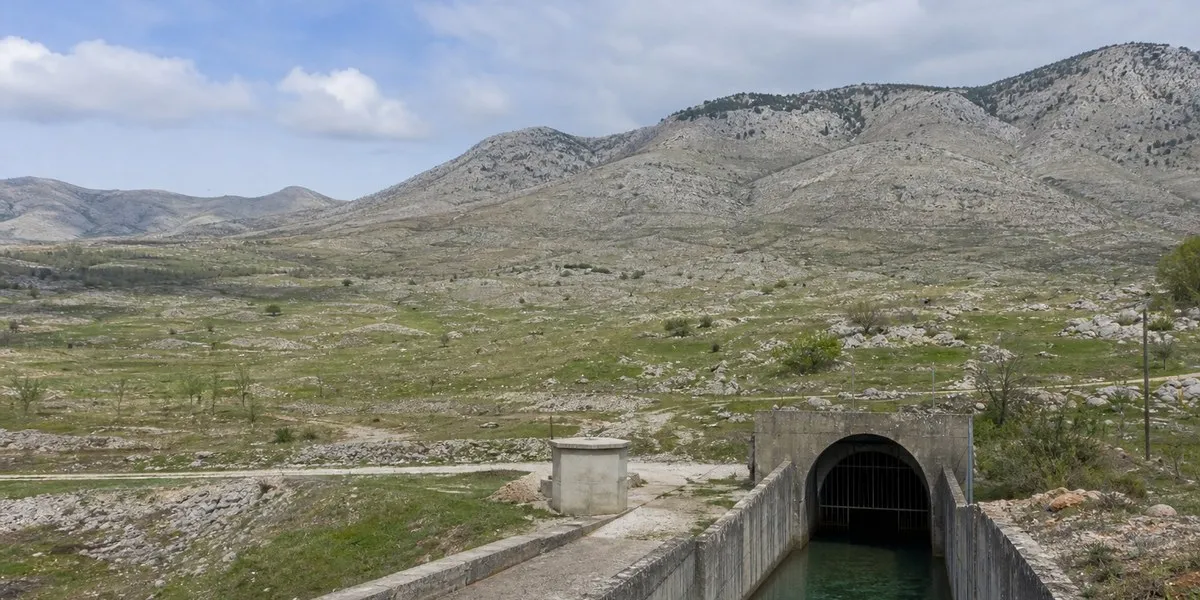
In Bosnia and Herzegovina, contractors are completing construction of the Dabar hydropower plant, the first of three power stations in the Upper Horizons project in the Neretva basin. Environmentalists warn that diverting water to the Trebišnjica basin could further reduce water flows to the Neretva through its tributaries and cut freshwater inflow to the delta in Croatia, Balkan Insight reports.
The Upper Horizons project envisages the construction of the Dabar, Nevesinje and Bileća hydropower plants. Water from them is to flow into the Lower Horizons system, which includes the Trebinje I and II, Čapljina and Dubrovnik plants. According to the project description, water will be stored during wet months and released during dry months to generate electricity throughout the year.
The Lower Horizons system, built in the 1960s and 1970s, already diverts an estimated 4 billion cubic metres of water from the Neretva basin annually. In 2021, a member of the Croatian parliament cited an estimate that Upper Horizons could divert another 2 billion cubic metres of water per year.
Risks to the delta and wetlands
According to the environmental organisation Bankwatch, the volume of water reaching the Neretva through the Buna, Bunica and Bregava tributaries will decrease. In the Neretva delta in Croatia, reduced freshwater flow contributes to seawater moving upstream, changing the ecosystem and salinising soils.
According to the report, industrial eel catches in Croatia, mainly in the Neretva estuary, have not exceeded one tonne per year over the past decade. By comparison, they amounted to about 45 tonnes in the 1970s. A 2021 study also recorded eight marine species in the upper part of the delta, more than 25 km from the river mouth.
More current news is available on the UA.News Telegram channel Telegram.
Hutovo Blato Nature Park in Bosnia and Herzegovina, a Ramsar site, has already lost approximately half of its water due to the Lower Horizons system, said park director Irene Rozić. The park's wetlands store carbon in peat, but as water levels decline, the peat begins to decompose and release accumulated greenhouse gases.
Threat to endemic species and disputes over permits
Rare endemic species live in the karst poljes of Dabarsko, Fatničko and Nevesinjsko. In May 2025, ichthyologist Matej Vučić discovered juveniles of Telestes dabar, a fish that had not been observed in the wild for more than eight years. According to him, the natural flooding cycle is necessary for several species that mostly live underground to reproduce.
The Nevesinje reservoir, which is intended to supply the Dabar hydropower plant, is designed to hold 61.8 million cubic metres of water. Its construction involves flooding about nine square kilometres of territory. In May 2026, owners of plots in the area of the future reservoir refused the proposed compensation of approximately 3.5 euros per square metre.
Bankwatch says that the authorities of Republika Srpska are renewing permits for the Dabar hydropower plant on the basis of a 2012 environmental impact assessment without public consultations. Complaints concerning the project are being considered under the Bern Convention and, since February 2026, also under the Espoo Convention on transboundary impact following Croatia's submission.




