
Cyprus plans to supply gas from the Cronos field to Europe starting in 2028
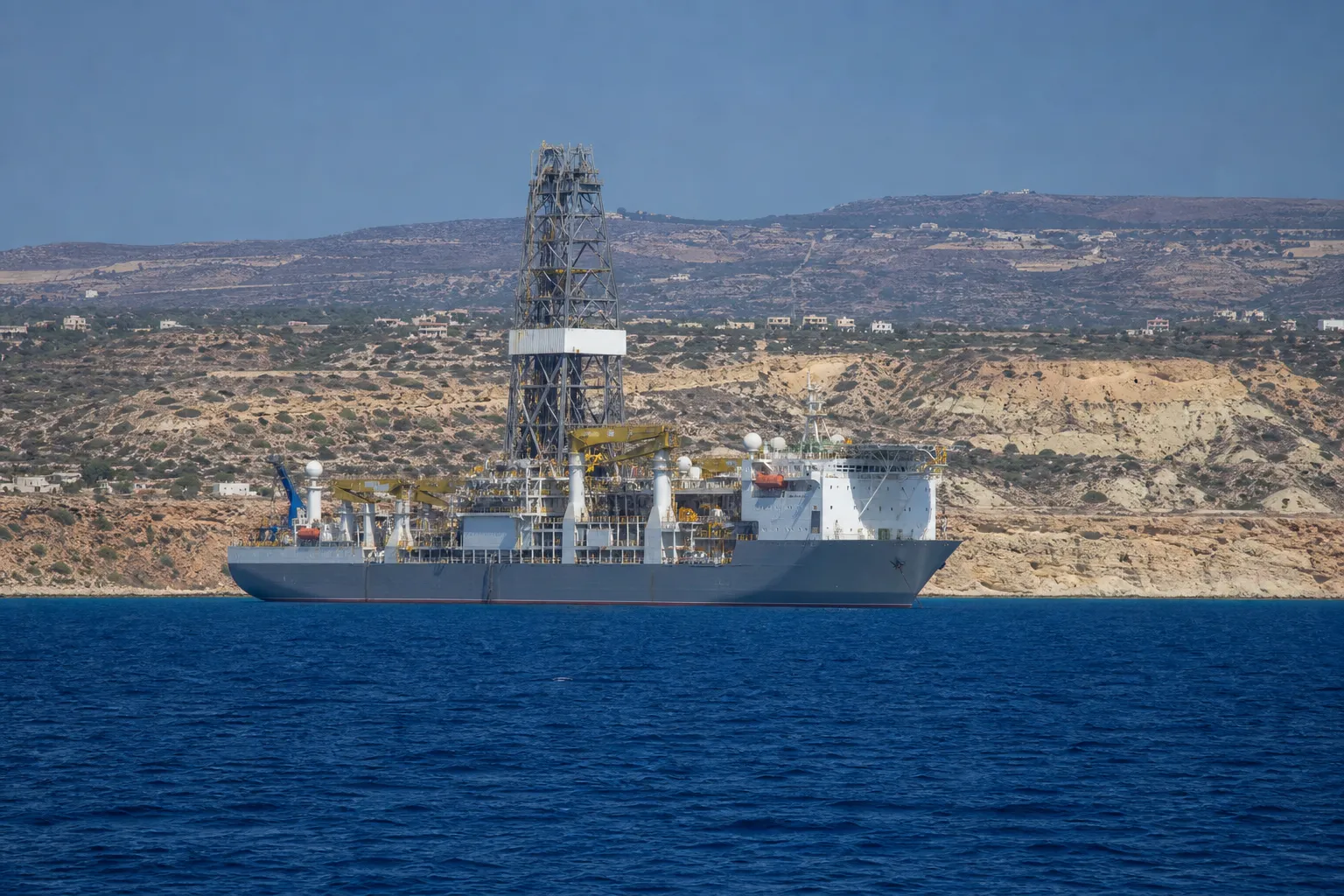
European consumers could begin receiving natural gas from the Cronos offshore field off the southern coast of Cyprus as early as March 2028. This was announced by Cyprus’s Minister of Energy, Michalis Damianos, according to Fortune, citing the Associated Press.
France’s TotalEnergies and Italy’s Eni made a final decision last month to begin developing the field. According to Damianos, this will be the first project to supply gas from the eastern Mediterranean to the European market.
The Eni-TotalEnergies consortium plans to begin work later this year on a pipeline from Cronos to the existing infrastructure of Egypt’s Zohr gas field. The distance between the sites is approximately 105 km, and construction is expected to take up to 18 months. Afterward, the gas will be transported to the Damietta plant in northern Egypt, where it will be liquefied for shipment by sea to Europe.
The estimated cost of this route is about $2 billion. Damianos explained that transporting gas to Egypt for processing is a more economically viable option than developing other fields in Cyprus’s exclusive economic zone, due to the proximity of existing infrastructure.
For more breaking news, follow the UA.News Telegram channel.
The Cronos reserves are estimated at over 3 trillion cubic feet of gas. Under the agreement, the entire volume is to be directed to Europe; however, the deal provides for the possibility of using approximately one-fifth of the resource to cover part of Egypt’s domestic energy needs.
Cronos is one of six discovered gas fields in Cypriot waters. The Glaucus and Pegasus fields, for which ExxonMobil and QatarEnergy hold development licenses, collectively contain about 6.9 trillion cubic feet of gas. The companies expect gas from these fields to begin flowing in 2033. According to the minister, a consortium led by Chevron is expected to make a decision on developing the Aphrodite field—with estimated reserves of 5.6 trillion cubic feet—in the summer of 2027.
Damianos also announced the participation of the French investment company Meridiam in the Great Seas Interconnector project—a power cable intended to connect the European power grid to Cyprus and, eventually, to Israel. The EU has already allocated $760 million for this project. A report from the European Investment Bank, expected in the coming months, should clarify its cost, which exceeds the previous estimate of $2.2 billion.


