
Gulf countries are seeking alternatives to the Strait of Hormuz
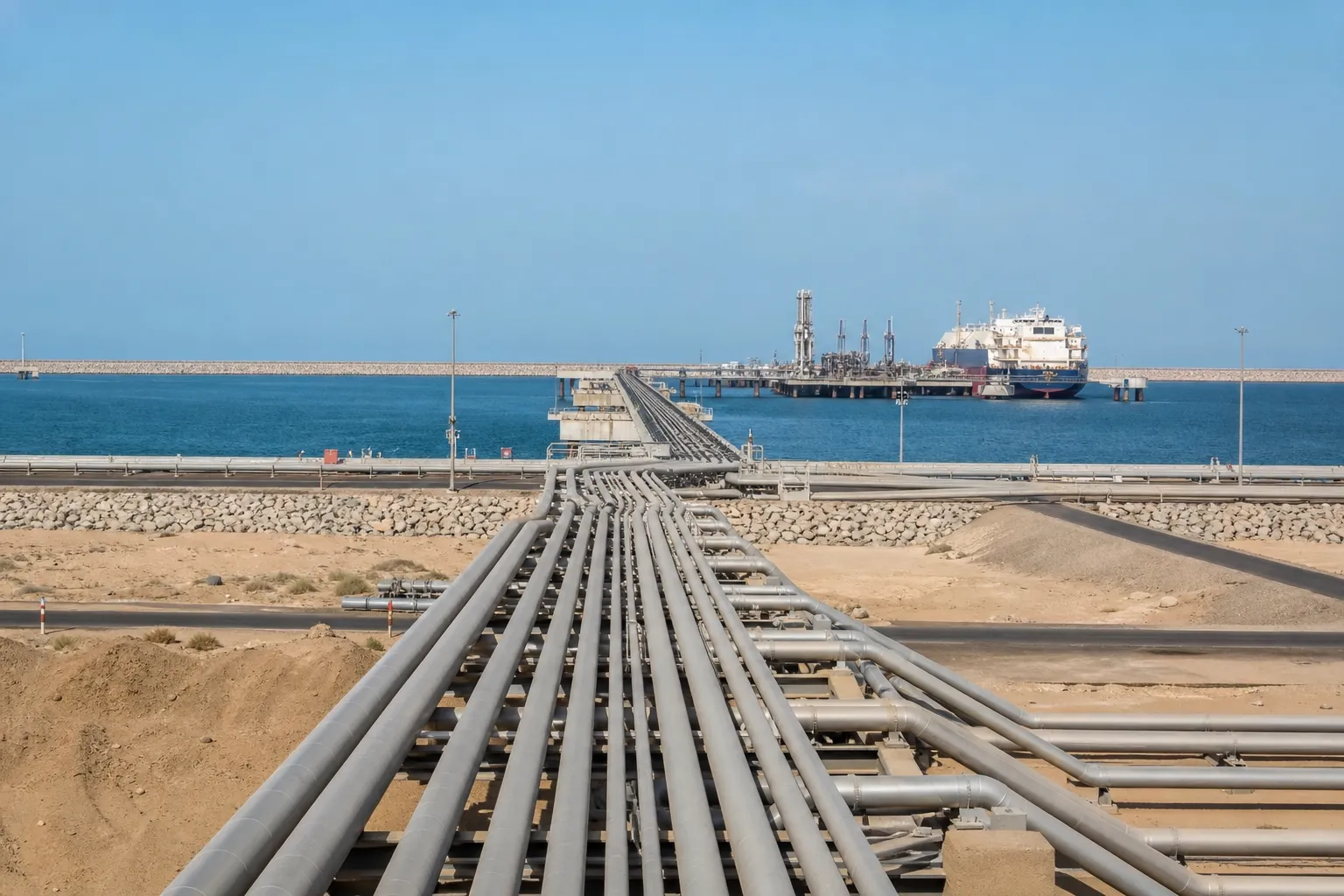
Saudi Arabia has rerouted significant volumes of oil exports around the Strait of Hormuz via the East-West Pipeline to the port of Yanbu on the Red Sea. At the same time, the United Arab Emirates, despite having a pipeline and ports outside the strait, has been unable to compensate for the decline in maritime shipments, according to Deutsche Welle.
Before the war between the U.S. and Iran began, the Strait of Hormuz between Iran and Oman handled about 20% of global oil exports from the Persian Gulf to Europe, Asia, and North America. Iranian officials say the waterway will remain closed until the U.S. complies with the framework agreement signed in June and pays Tehran compensation for alleged violations. U.S. President Donald Trump said on Monday that the U.S. Navy is monitoring the strait and has conducted mine-sweeping operations.
According to IMF PortWatch, in April–May, Saudi Arabia’s cargo shipments from the Persian Gulf coast fell from 47.5 million metric tons a year earlier to 6.3 million metric tons. During the same period, exports via the Red Sea rose from 29.6 million to 54.8 million metric tons. The additional 25.3 million metric tons accounted for approximately 61% of the volume lost on the Persian Gulf route.
For more breaking news, follow the UA.News Telegram channel.
The UAE transports oil via the Abu Dhabi Crude Oil Pipeline from Habshan in Abu Dhabi to Fujairah on the coast of the Gulf of Oman, outside the Strait of Hormuz. However, Fujairah and neighboring Khor Fakkan remain within range of Iranian missiles and drones. During the hostilities, Fujairah came under attack, and ships off the eastern coast of the Emirates were also struck.
In April–May 2026, cargo traffic through UAE ports on the Persian Gulf coast fell to 12 million metric tons, compared to 68.5 million metric tons during the same period in 2025. Cargo volumes through alternative ports also declined—from 13.7 million to 6.3 million metric tons. DW notes that this is due both to Fujairah’s limited capacity and to military risks that influence the decisions of shipowners and insurers.
Economist Hassan Mansour told DW that new pipelines between Iraq, Oman, and Jordan are being discussed, but their construction will take years and require investments in the billions. He estimates that the Basra–Aqaba pipeline could cost $8–10 billion and take five to seven years to build. Qatar, Kuwait, and Bahrain, which have no coastline outside the Persian Gulf, will remain dependent on the Strait of Hormuz in the short term.


