
Oluwatola urged Nigeria to change its energy market model — Premium Times Nigeria
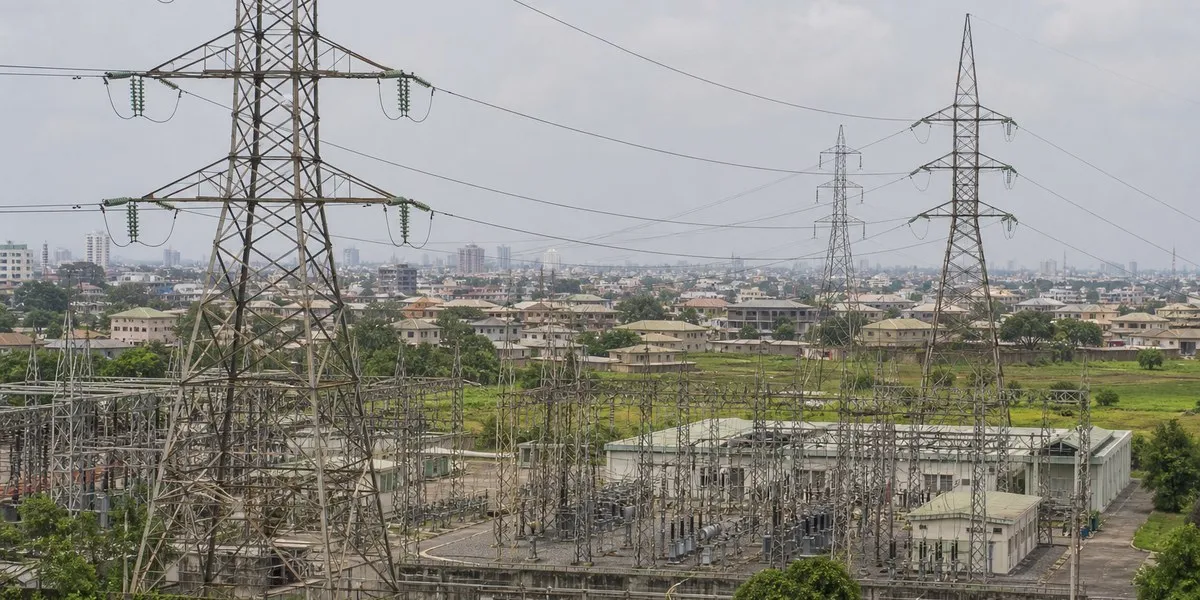
In Nigeria, columnist Tobi Oluwatola proposes gradually abandoning the single-buyer electricity model provided by Nigerian Bulk Electricity Trading Plc (NBET) and moving to bilateral contracts between generators, creditworthy distribution companies and large consumers. He wrote about this in a column for Premium Times Nigeria.
According to the author, following the 2013 privatization of the energy sector, the former state-owned Power Holding Company of Nigeria was divided into six generation and 11 distribution companies. As the new distribution companies lacked sufficient financial capacity for long-term contracts, the state created NBET as an intermediary between generators and distributors.
Debts and direct deals
Oluwatola writes that distribution companies for years transferred only 30–50% of the amounts due under monthly bills. According to him, NBET sought support from the Federal Treasury and the Central Bank of Nigeria; these mechanisms included the 701 billion naira Payment Assurance Facility in 2017 and a subsequent 600 billion naira facility.
The author notes that after the adoption of the Electricity Act 2023, Nigeria is moving toward a contract market in which financially capable distribution companies and eligible consumers can conclude direct deals with generation companies. He also mentions the tariff review for the Band A category in April 2024: this category covers consumers on lines that are to receive at least 20 hours of electricity supply per day.
More current news is available on the UA.News Telegram channel Telegram.
Grid costs
In Oluwatola's view, direct deals between large industrial consumers and generators may worsen the financial position of distribution companies if such customers do not compensate for the costs of the shared grid. The author proposes setting economically justified electricity transmission tariffs and backup connection charges for large users.
As an example, he cites a decision by the U.S. Federal Energy Regulatory Commission, which in November 2024 rejected a change to the terms of the direct connection of an Amazon Web Services data center to the Susquehanna nuclear power plant in Pennsylvania. The regulator considered the risk of shifting electricity transmission costs onto other consumers.
Transmission and the spot market
Oluwatola believes that the development of bilateral contracts should be accompanied by the modernization of the Transmission Company of Nigeria. He proposes splitting it into a transmission service provider and an independent system operator, improving the metering of electricity flows and removing grid constraints. Only after this, in the author's assessment, will Nigeria be able to move to a liquid wholesale electricity spot market.


