
Oil flows through strait and alternative routes exceeded pre-war level — Fortune
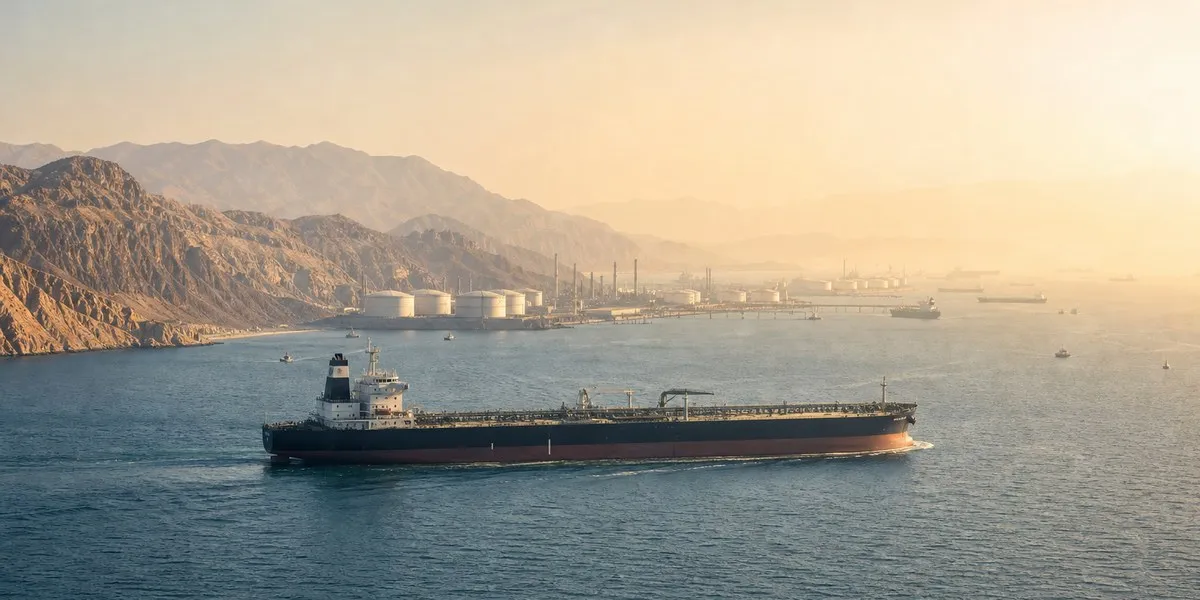
In Iran and the Persian Gulf countries, oil supplies through the Strait of Hormuz and via alternative routes averaged more than 24 million barrels per day last week. This exceeds the pre-war average of 23.3 million barrels per day recorded before the start of the US and Israeli war against Iran in late February, Fortune reports, citing data from Kpler.
Tankers and alternative routes
Vessel traffic through the strait has still not returned to normal levels due to the risk of Iranian attacks on tankers. At the same time, some carriers continue to use this route because of high payments for such voyages. Additional volumes are transported through pipelines that bypass the strait, while the largest oil consumers have also reduced demand.
According to Bloomberg data cited by the publication, some grades of Middle Eastern oil in Asia are selling for less than they did a month ago. Brent prices have risen in recent days following reports that the United States and Israel are preparing a new attack on Iran, but remain below the peak levels recorded at the height of the war.
More current news is available on the UA.News Telegram channel Telegram.
Bank assessments and infrastructure development
JPMorgan analysts believe that energy markets are adapting to a prolonged conflict in the Middle East. They noted that oil supply has proven resilient, while lower demand in China has become one of the key factors. According to the bank's estimate, even with limited supplies over the next year, lower demand could keep the price at around $90 per barrel, preventing an increase to $120–140.
Capital Economics senior economist Hamad Hussein expects the resilience of oil flows to increase through the expansion of pipeline and port infrastructure. In his assessment, Saudi Arabia plans to convert an existing gas pipeline to transport 1.2 million barrels of oil per day, which could strengthen the country's capacity to supply oil to the western coast within six to eight weeks. The United Arab Emirates is expected to complete a second pipeline to the port of Fujairah next year, enabling it to increase the volumes of oil that bypass the Strait of Hormuz.
Risk of a new escalation
Iran said that in the event of new US and Israeli attacks, it could strike not only energy infrastructure but also data centers and internet cables in the region. Fortune notes that such strikes would likely prompt a similar response against Iran's infrastructure and increase risks to long-term oil production and transportation. US representative to the UN Mike Waltz told the Financial Times that Washington and Tehran could remain in a state of confrontation for another year without an agreement on Iran's nuclear program or the Strait of Hormuz.




